Industrial IoT Accelerates: From Connectivity to Data-Driven Value
As global industries continue to digitize, Industrial Internet of Things (IIoT) and the growing field of AIoT have emerged as critical foundations for improving operational efficiency, strengthening resilience, and enhancing visibility across complex environments. With industrial assets generating ever-increasing volumes of data, organizations are shifting their focus—from simply connecting devices to extracting actionable insights that enable real-time decision-making and long-term optimization.
More than just a technological upgrade, IIoT represents a fundamental transformation in industrial operations by bridging operational technology (OT) and information technology (IT), reshaping how businesses run, monitor, and scale.
I. Core Concept and Strategic Context
What is Industrial IoT?
Industrial IoT refers to the integration of connected sensors, devices, and software systems that collect, monitor, and analyze data from industrial operations in real time. Its primary objective is to improve efficiency, reliability, and decision-making.
Unlike consumer IoT, IIoT operates in mission-critical environments such as manufacturing, energy, and infrastructure, where reliability, safety, and low latency are essential. It enables seamless data exchange between traditionally siloed OT and IT systems.
Role in Industry 4.0
IIoT is a cornerstone of Industry 4.0, enabling intelligent automation and interconnected systems. It supports the transition toward data-driven production models and smarter infrastructure management.
II. Architecture: A Layered Approach from Devices to Cloud
Industrial IoT systems are typically built on a multi-layered architecture that connects physical assets with digital platforms:
1. Device Layer
Sensors and actuators embedded in machines and infrastructure collect data such as temperature, pressure, vibration, and location.
2. Connectivity Layer
This layer ensures communication between devices and systems, using:
- Wired technologies: Industrial Ethernet, fieldbus systems
- Wireless technologies: Cellular IoT, Wi-Fi, LPWAN
3. Edge Computing Layer
Processes data close to the source, reducing latency and bandwidth usage while enabling real-time responses.
4. Platform and Data Layer
Data is transmitted to on-premises or cloud platforms where it is aggregated, stored, and analyzed, often integrated with enterprise systems like ERP and MES.
5. Application and Analytics Layer
Provides dashboards, alerts, and automation tools that translate data into actionable insights for operators and decision-makers.
III. Key Technologies and Standards
IIoT relies on a combination of hardware, connectivity, and software frameworks:
Core Technologies
- Connectivity: Ethernet/IP, Modbus, PROFINET, LTE-M, NB-IoT, 5G
- Protocols: MQTT, CoAP, OPC UA, DDS
- Edge Platforms: Industrial gateways and edge servers
- Data Platforms: Cloud computing, AI, digital twins
- Security Frameworks: Device authentication, encryption, zero-trust architecture
Standards such as OPC UA play a vital role in enabling interoperability across diverse industrial systems.
IV. Key Use Cases Across Industries
IIoT supports a wide range of applications aimed at improving efficiency and asset utilization:
1. Predictive Maintenance
Monitors equipment conditions to detect anomalies and prevent failures before they occur.
2. Asset Tracking
Provides real-time visibility of tools, vehicles, and inventory across facilities and supply chains.
3. Process Optimization
Uses sensor data to enhance production efficiency and minimize waste.
4. Energy Management
Tracks and optimizes energy consumption to reduce costs and improve sustainability.
5. Remote Operations
Enables centralized monitoring and control of distributed assets such as pipelines or wind farms.
6. Safety and Compliance
Monitors environmental conditions and worker safety in hazardous environments.
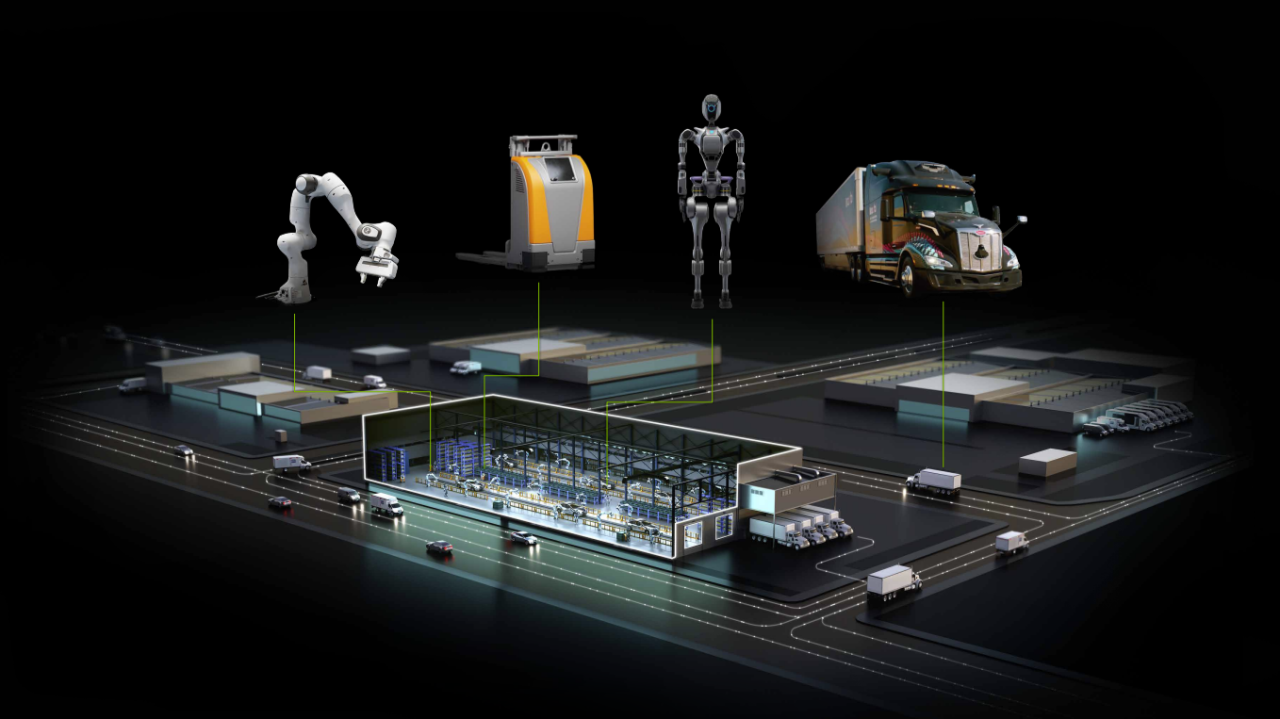
Applications span manufacturing, logistics, energy, and utilities, often integrating with robotics, automation systems, and supply chain platforms.
V. Benefits and Challenges
Key Benefits
- Reduced downtime through predictive maintenance
- Improved operational efficiency and productivity
- Enhanced visibility across operations
- Optimized resource utilization and cost management
- Data-driven decision-making
Key Challenges
- Integration complexity with legacy systems
- Interoperability issues across vendors and standards
- Cybersecurity risks in connected environments
- Scalability constraints in large deployments
- Uncertain ROI in early implementation stages
Latency requirements also vary widely depending on the use case, with some applications requiring ultra-low and deterministic performance.
VI. Market Landscape and Ecosystem
The IIoT ecosystem involves multiple stakeholders across the value chain:
- Device manufacturers: Sensors and industrial hardware providers
- Connectivity providers: Telecom operators and network infrastructure vendors
- Platform providers: Cloud and data analytics companies
- System integrators: Responsible for deployment and integration
- Software developers: Applications, analytics, and digital twin solutions
The market remains fragmented, making partnerships and ecosystem collaboration essential for delivering end-to-end solutions.
VII. Future Outlook: Toward Intelligence and Value Creation
Industrial IoT is evolving rapidly alongside advancements in connectivity, computing, and artificial intelligence:
- 5G and private networks enabling reliable, low-latency communication
- Edge AI supporting real-time, localized decision-making
- Digital twins for simulation and optimization of industrial systems
- Cloud-to-edge architectures improving efficiency and scalability
- Standardization efforts gradually addressing interoperability challenges
The focus is shifting from “how many devices are connected” to “how effectively data creates business value.”
VIII. Conclusion
Industrial IoT is reshaping the global industrial landscape by transforming raw data into actionable intelligence. As technologies mature and ecosystems evolve, organizations must prioritize scalable, secure, and value-driven implementations.
From connectivity to insight, and from insight to automation, IIoT continues to expand its role as a key enabler of the digital economy.
About the Exhibition
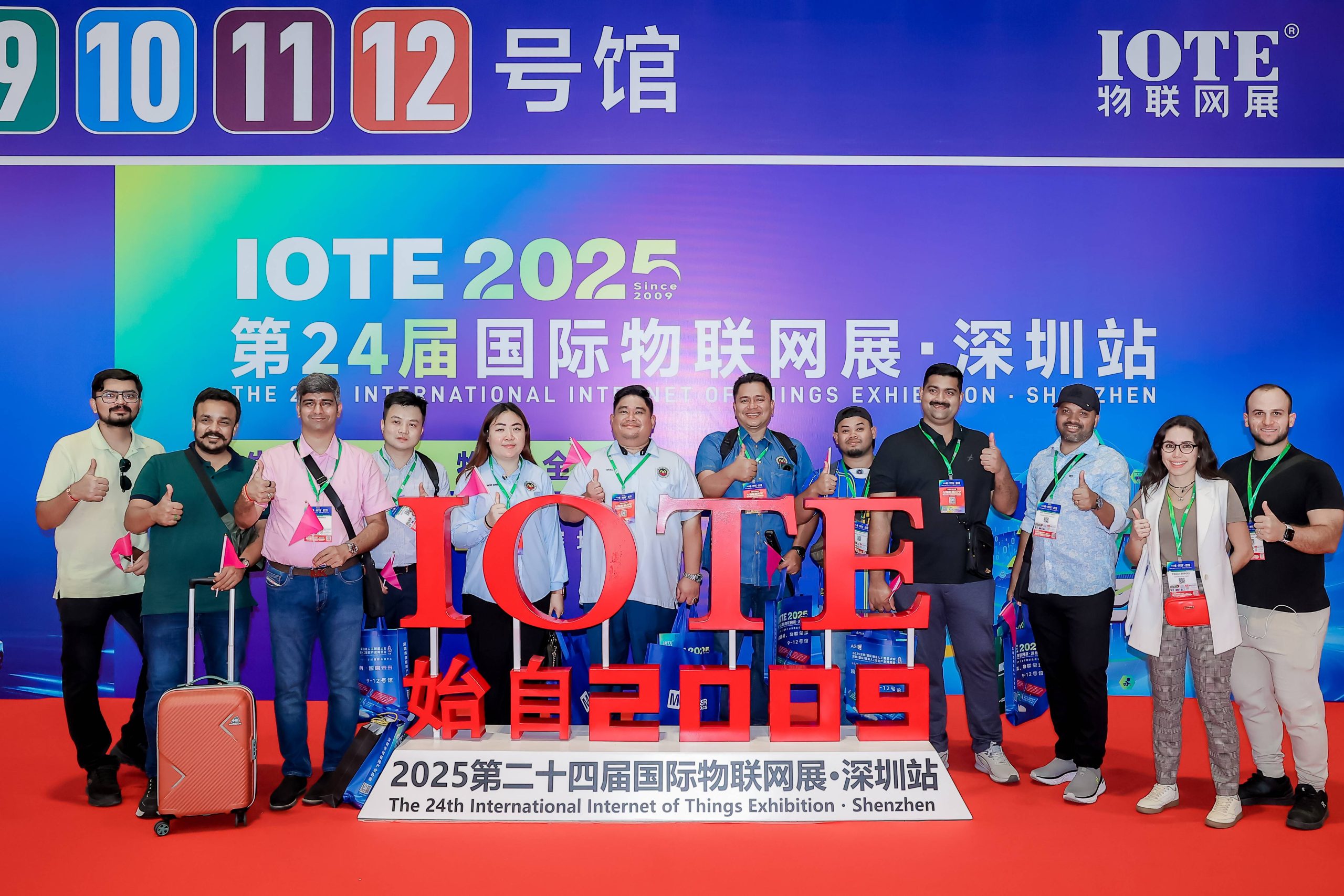
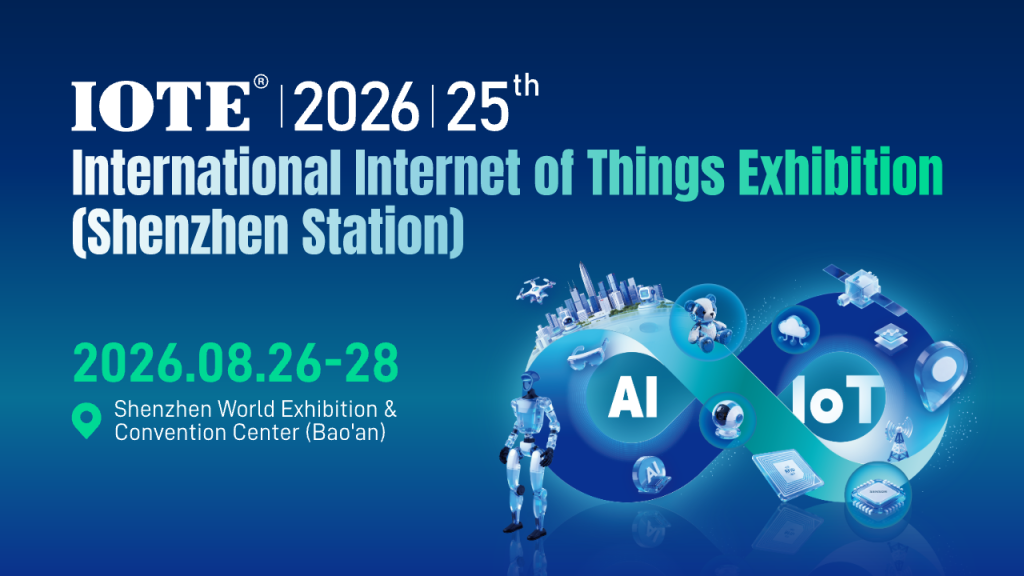
This development highlights the growing convergence of IoT, smart home technologies, and digital identity solutions—key themes at IOTE – The International Internet of Things Exhibition, a leading global platform for RFID, nfc, and IoT innovation.
The upcoming IOTE 2026 International Internet of Things Exhibition Shenzhen will take place in Shenzhen, bringing together industry leaders, technology providers, and solution innovators to showcase the latest advancements in smart homes, connected devices, and secure access technologies .