STMicroelectronics Price Hike Signals Broader Impact: NFC Chips Likely to Follow Amid Industry-Wide Cost Pressures
1. Price Increases Spread Across the Semiconductor Industry
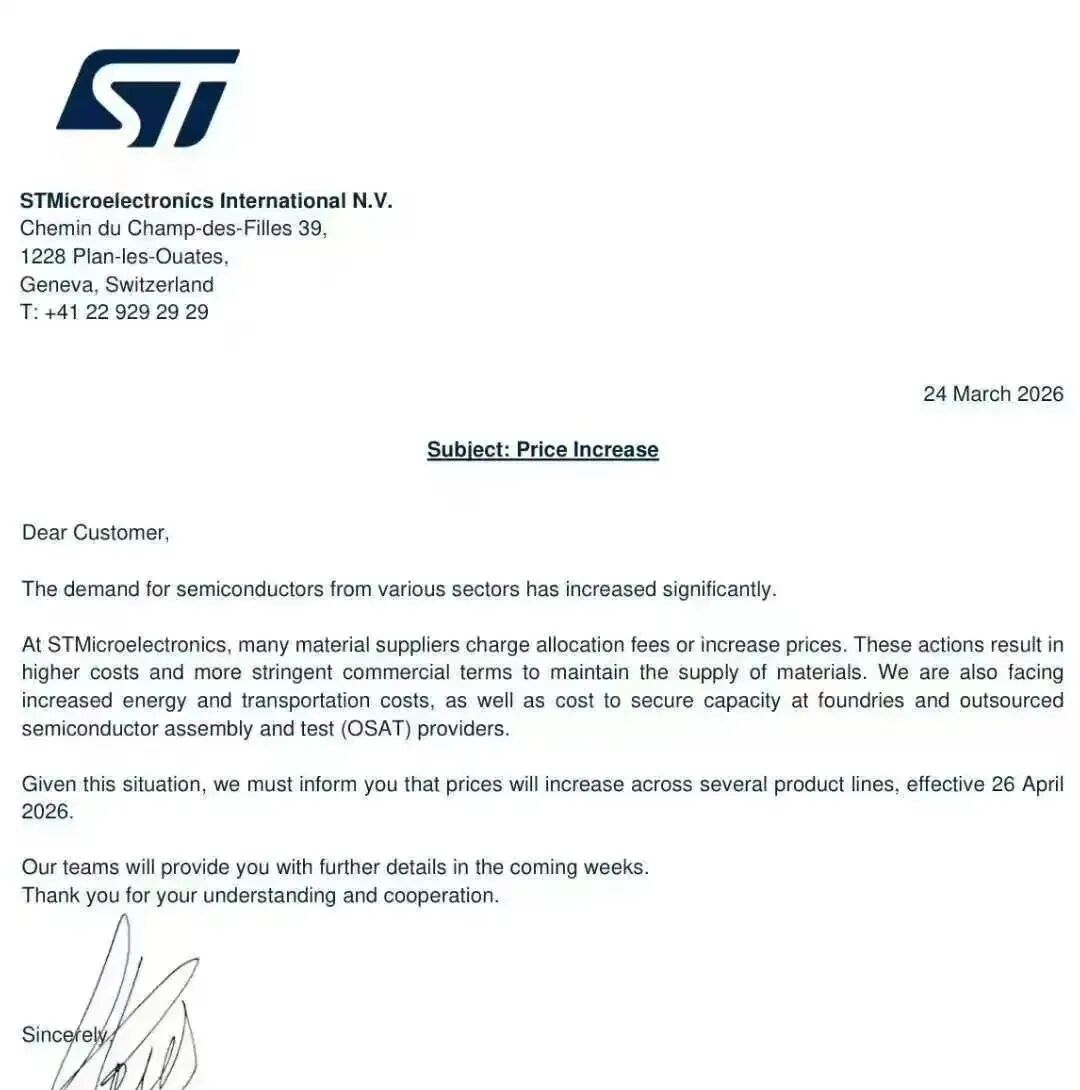
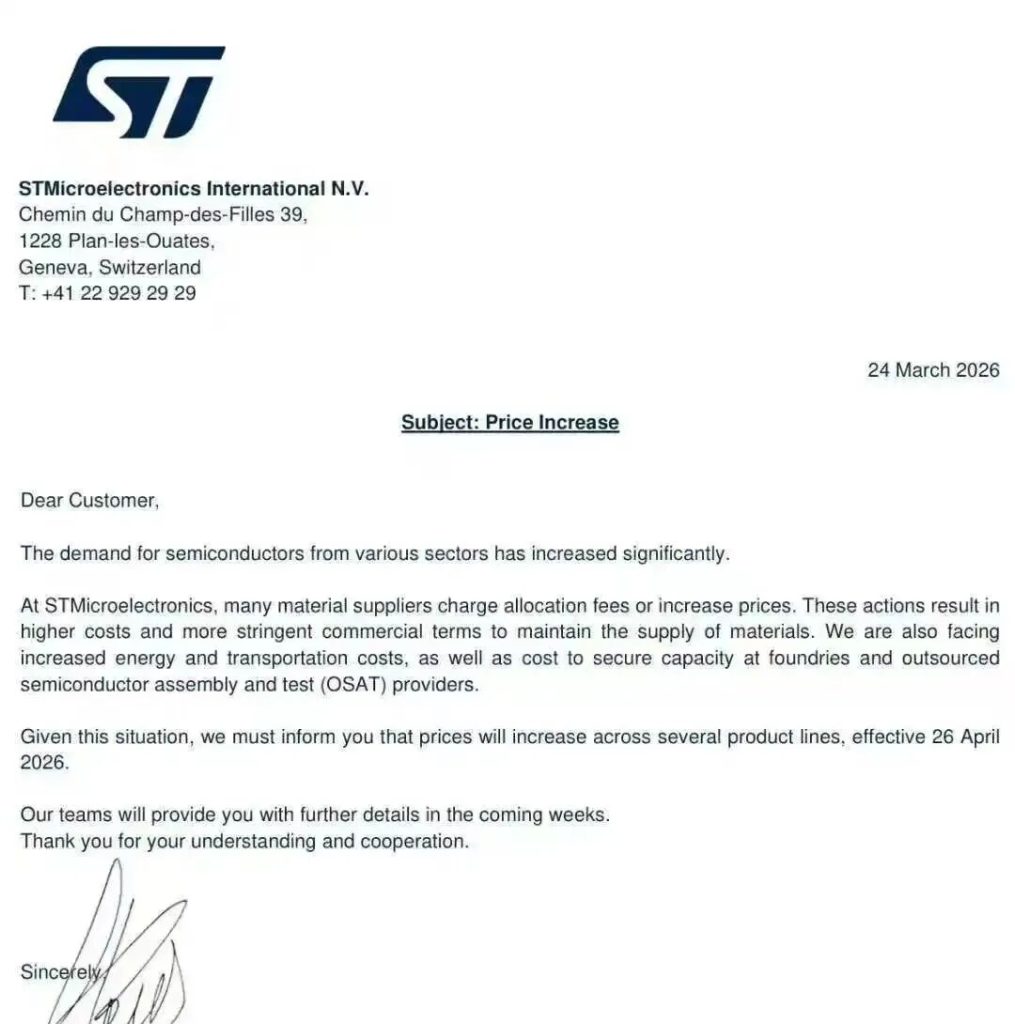
Following NXP Semiconductors, STMicroelectronics has officially announced a new round of price increases across multiple product lines, including some rfid products, effective April 26, 2026.
This move marks a significant escalation in the global semiconductor pricing cycle in Q2 2026, with cost pressures expanding from memory and passive components into core semiconductor segments.
As one of the world’s leading integrated device manufacturers (IDMs), STMicroelectronics’ pricing decisions are widely regarded as a bellwether for the industry. A key question now emerging across the market is whether NFC chips—critical to mobile payments and IoT applications—will be affected.
2. Cost Pressures Mount: NFC Chips Unlikely to Remain Immune
2.1 Broad-Based Cost Inflation Across the Supply Chain
According to ST’s pricing notice, the increase is driven by rising costs across the entire semiconductor value chain, including:
- Higher raw material prices
- Increased energy and logistics costs
- Rising wafer fabrication and OSAT (outsourced semiconductor assembly and test) expenses
STMicroelectronics’ significant manufacturing footprint in Europe exposes it to relatively rigid energy and labor costs. In addition, the company is currently investing heavily in silicon carbide (SiC) capacity expansion, further intensifying financial pressure.
Given that NFC chips rely on the same upstream processes—wafer manufacturing and packaging—and share material inputs with MCUs and power devices, cost increases are expected to transmit directly into NFC pricing.
2.2 Product Prioritization Suggests Moderate Impact
While NFC chips are likely to see price adjustments, the magnitude is expected to be lower than ST’s flagship product categories, including:
- STM32 microcontrollers
- Power semiconductors and SiC devices
NFC products fall under ST’s consumer electronics segment (approximately 30% of revenue), which is strategically less prioritized compared to automotive and industrial applications.
Industry practices suggest that:
- Automotive and industrial-grade chips typically see higher price increases (10%–20%)
- Consumer-grade components tend to experience more moderate adjustments
As a result, NFC chip prices are expected to rise by approximately 5%–15%, with potential preferential pricing for key customers.
3. Industry-Wide Trend: A Systemic Semiconductor Price Cycle
ST’s announcement is part of a broader global trend of semiconductor price increases.
Since early 2026, multiple companies have implemented or announced price hikes, including:
- CR Micro
- Silan Microelectronics
- onsemi
- Texas Instruments
- Infineon Technologies
The pattern reflects a broader shift: domestic players initiated price increases, followed by global semiconductor leaders, affecting key categories such as memory, analog ICs, and power semiconductors.
Even if NFC chips see relatively modest price increases, downstream manufacturers are likely to face cumulative cost pressures.
4. Supply and Demand Dynamics Strengthen Pricing Power
4.1 Demand Continues to Expand
Demand for NFC chips remains on a steady growth trajectory, driven by:
- Global adoption of mobile payments
- Rapid expansion of IoT ecosystems
- Government-led digitalization initiatives
NFC functionality has become standard in smartphones, wearables, and transportation systems.
4.2 Supply Remains Concentrated
The global NFC chip market is still dominated by a small number of major players, primarily:
- STMicroelectronics
- NXP Semiconductors
While Chinese companies such as Fudan Microelectronics and Giantec Semiconductor are accelerating development, a technological gap remains in high-end segments, limiting near-term substitution.
This supply-demand structure enhances the ability of leading suppliers to pass on cost increases.
5. Downstream Impact: Diverging Effects Across Segments
5.1 Consumer Electronics: Short-Term Buffer, Long-Term Pressure
In sectors such as smartphones and wearables:
- Leading OEMs typically rely on long-term supply agreements
- Inventory management and forward purchasing can mitigate short-term impacts
However, over time, rising component costs are likely to compress margins, particularly for mid-range and entry-level devices.
5.2 IoT and Smart Cards: Higher Sensitivity to Pricing
In applications such as smart cards, retail tags, and IoT devices:
- Smaller manufacturers have weaker bargaining power
- Price sensitivity is significantly higher
As a result, price increases may accelerate:
- Adoption of domestic alternatives
- Diversification of supplier bases
This could further drive penetration of Chinese NFC chip vendors.
6. Strategic Responses: Supply Chain Diversification Becomes Critical
To mitigate the impact of rising costs, downstream companies may consider the following strategies:
6.1 Short-Term Actions
- Audit NFC chip usage and part numbers
- Confirm pricing adjustments with suppliers and distributors
- Secure inventory ahead of implementation dates
6.2 Long-Term Strategies
- Accelerate qualification of alternative suppliers
- Develop dual-sourcing strategies
- Reduce reliance on single vendors
7. Conclusion: Price Restructuring and Industry Transformation Ahead
STMicroelectronics’ price increase will inevitably affect the NFC chip market, primarily through cost transmission. However, the impact is expected to be more moderate compared to MCU and power semiconductor segments.
In the short term, downstream manufacturers—especially smaller players—will face increased cost pressure. In the long run, this pricing cycle may:
- Reshape NFC chip pricing structures
- Accelerate supply chain diversification
- Promote the rise of alternative suppliers
As the industry navigates the balance between rising costs and sustained demand, supply chain resilience and cost management will become defining competitive factors across the NFC ecosystem.
About the Exhibition
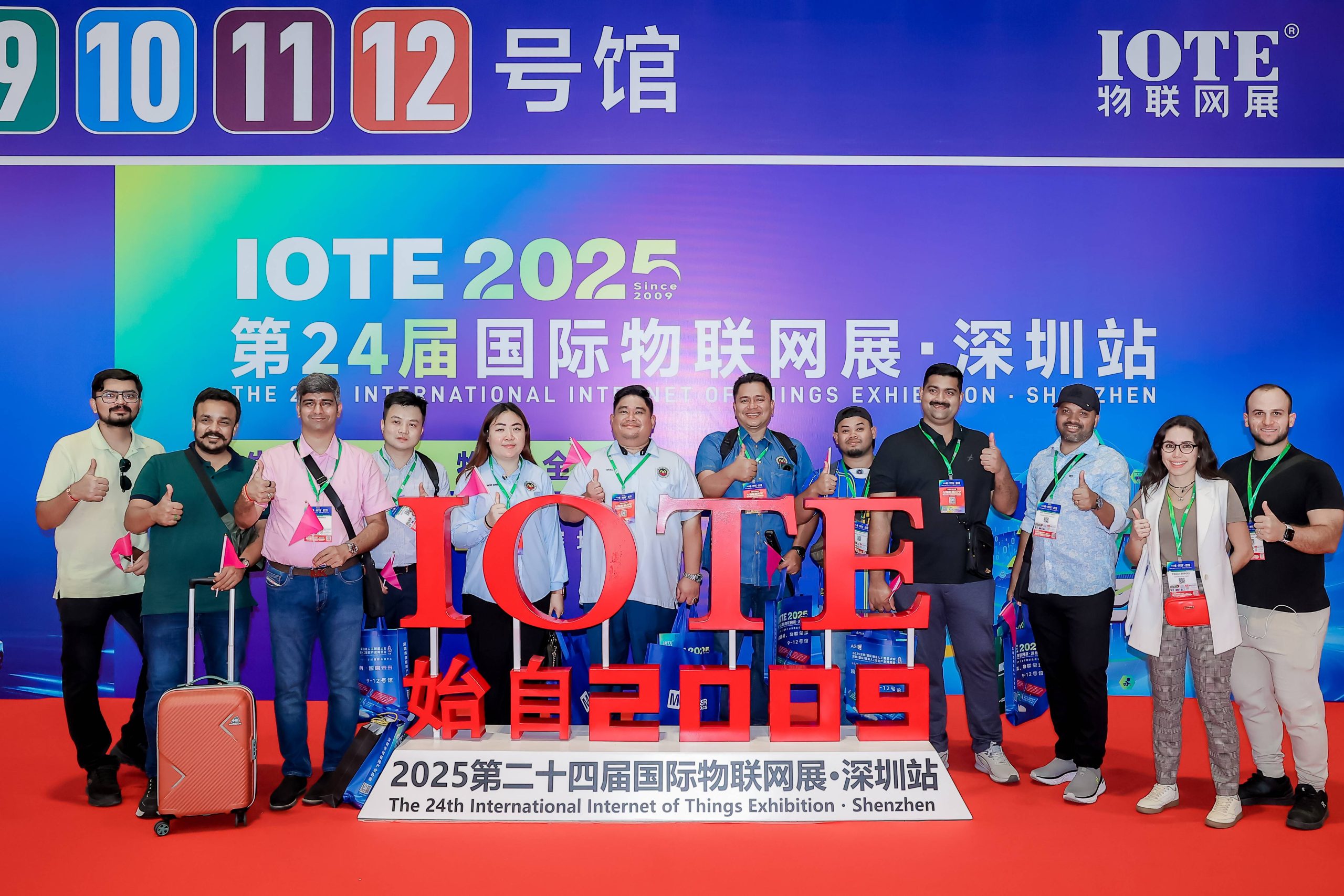
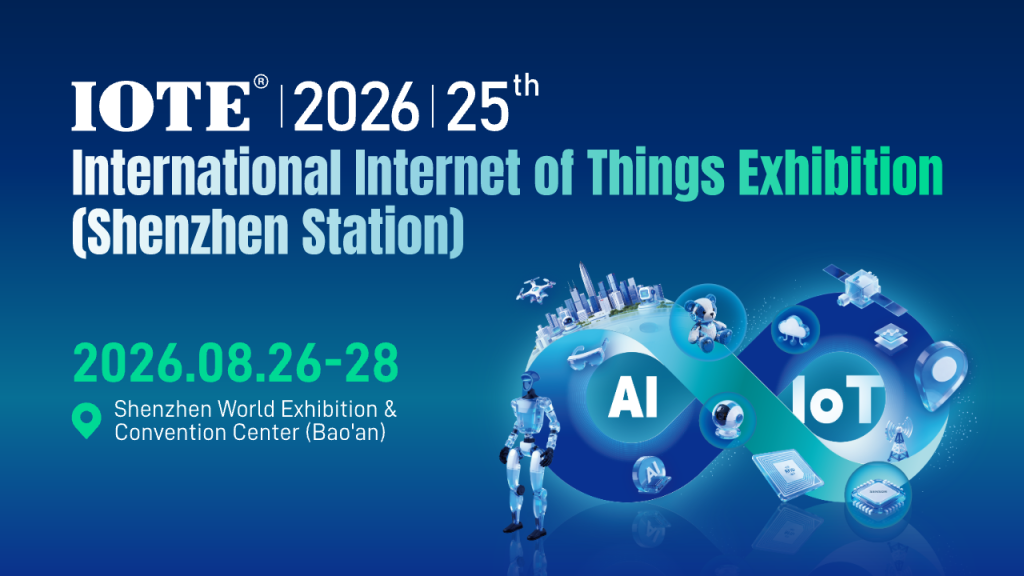
This development highlights the growing convergence of IoT, smart home technologies, and digital identity solutions—key themes at IOTE – The International Internet of Things Exhibition, a leading global platform for RFID, nfc, and IoT innovation.
The upcoming IOTE 2026 International Internet of Things Exhibition Shenzhen will take place in Shenzhen, bringing together industry leaders, technology providers, and solution innovators to showcase the latest advancements in smart homes, connected devices, and secure access technologies .