
Beyond Automotive: New Applications for mmWave Radar
A Forum Exploring the Next Wave of Physical AI Sensing
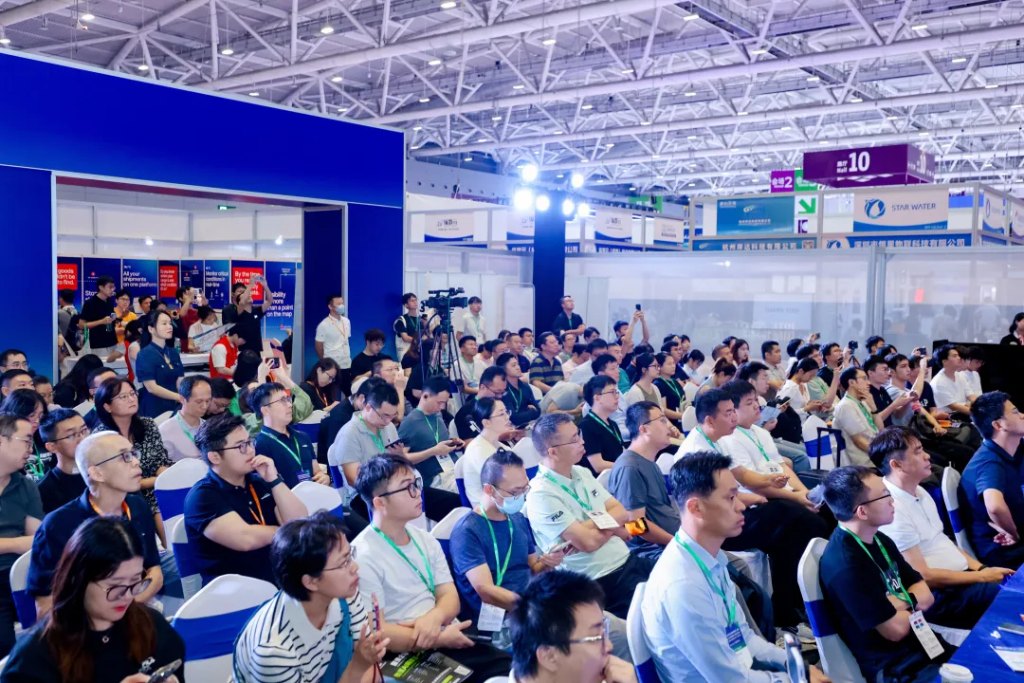
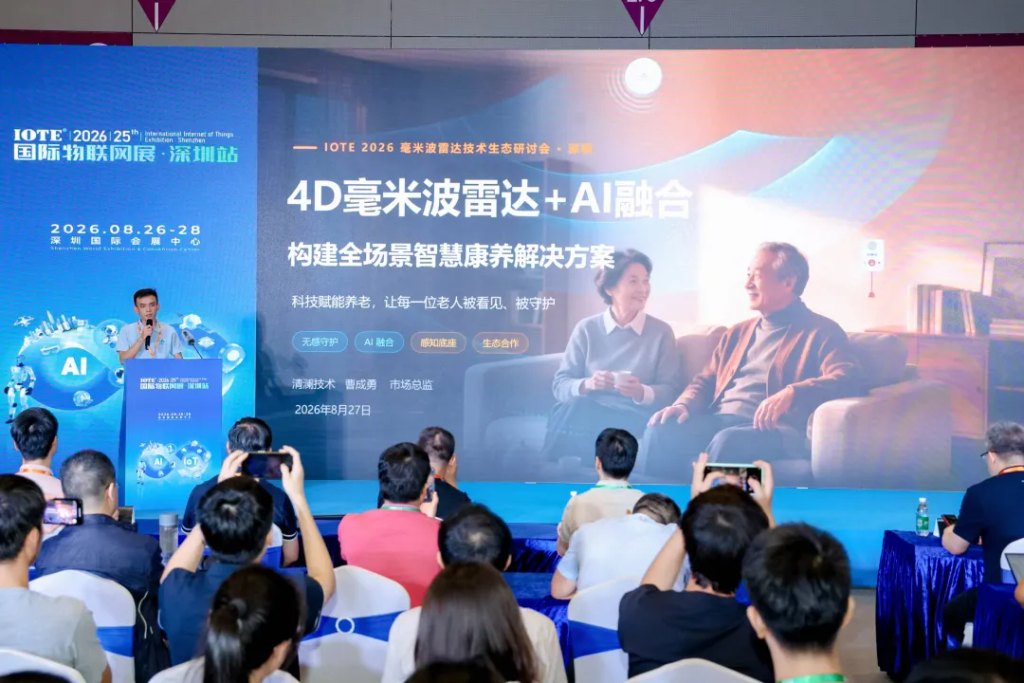
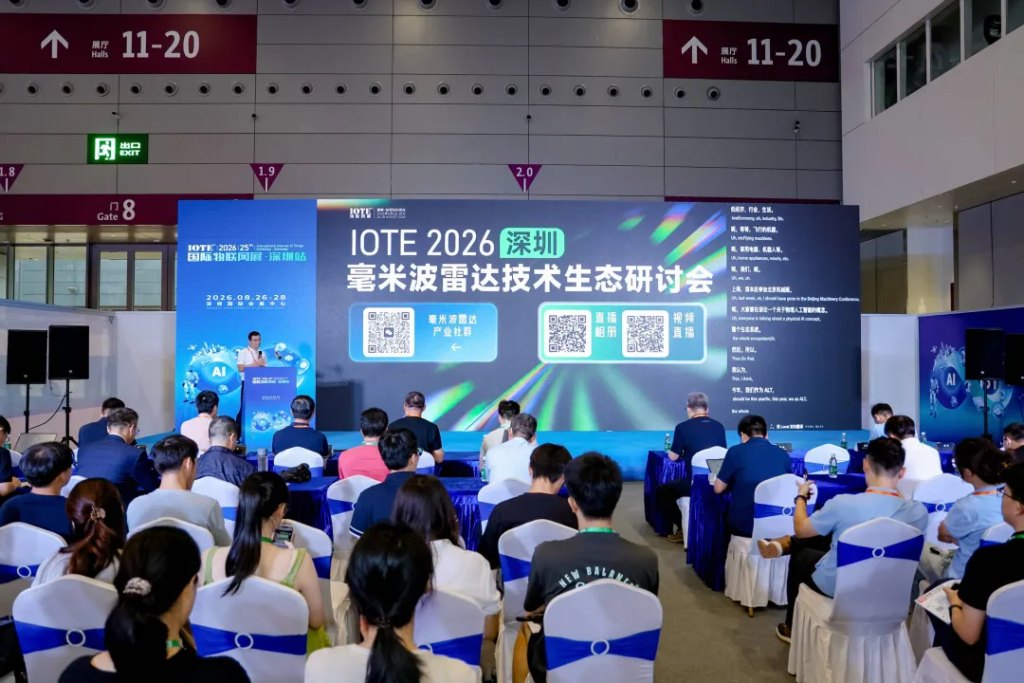
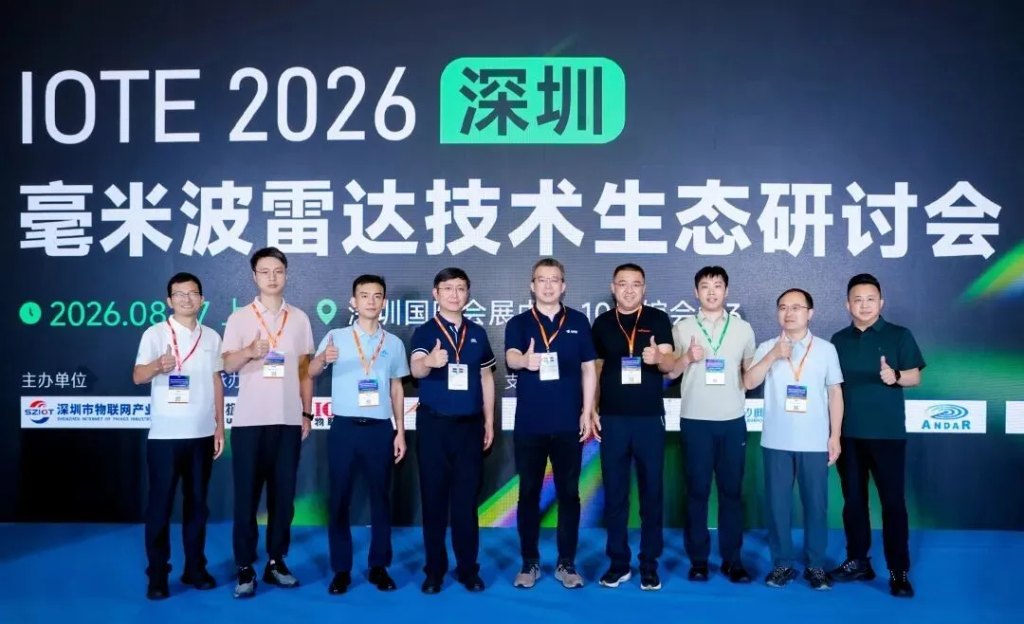
On the morning of August 27, 2026, the IOTE 2026 Shenzhen mmWave Radar Technology Ecosystem Forum was held in Hall 10 at the Shenzhen World Exhibition & Convention Center (Bao’an).
The forum was jointly organized by the Shenzhen Internet of Things Industry Association, AIoT XingTu Research Institute, IOTE International IoT Exhibition, Ulink Media, and other partners.
Expanding Applications, Advancing Technology
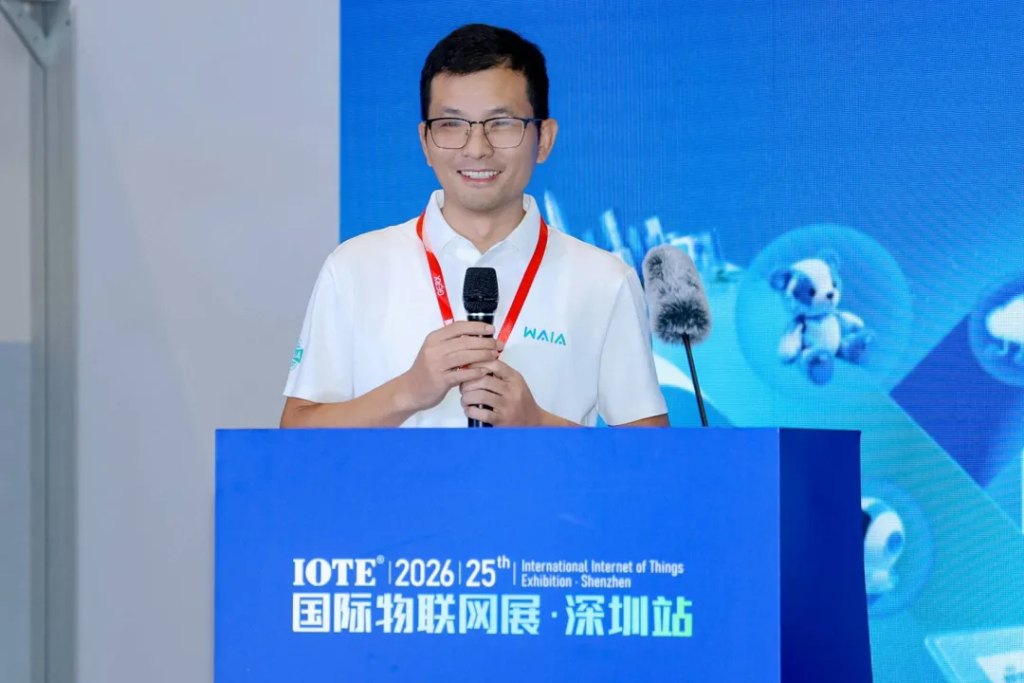
In his opening remarks, Liang Rongwei, Ecosystem Director at Ulink Media and the World AIoT Innovation Alliance (WAIA), shared a clear industry outlook: mmWave radar is evolving from an optional feature into essential sensing infrastructure.
While much of the industry’s growth in recent years has come from automotive applications, new opportunities beyond the automotive sector are now gaining momentum.
He also introduced the perspective of Physical AI. As AI moves beyond the digital world and into physical environments, a sensing layer is needed to bridge the gap between intelligent systems and the real world. With its all-weather capabilities and privacy-preserving characteristics, mmWave radar is emerging as an important sensing technology in this transition.
This shift also has significant implications for radar technology. Traditional radar systems primarily output physical measurements such as distance, velocity, and angle. When combined with AI, however, radar can go further, interpreting these signals to deliver semantic insights about people, objects, and their activities.
While commercial competition is increasingly focused on price, technological differentiation is becoming a matter of precision. The challenge is moving beyond simply detecting presence to accurately identifying states and activities. In increasingly complex environments, radar systems must filter out interference and distinguish subtle signals such as breathing and heartbeats from multiple targets and strong reflections. These demands are raising the technical bar for the entire industry.
Physical AI × mmWave Radar
Five Emerging Application Areas Beyond Automotive
Beyond automotive, this year’s forum explored five of the most promising application areas for mmWave radar: medical monitoring, smart elderly care, consumer electronics, whole-home intelligence, and low-altitude inspection.
Several notable industry developments and technical milestones were highlighted:
- The concept of mmWave Radar Cardiography was presented as a systematic approach for the first time. Discussions explored how mmWave radar can simultaneously capture the heart’s electrical activity and mechanical vibrations, supported by real-world clinical data.
- Scaling elderly-care alert systems to 100,000 deployed units: Speakers shared how home-monitoring solutions for older adults living alone have been validated and deployed at scale, covering falls, sitting-on-the-floor incidents, and abnormal vital signs.
- ICLEGEND MICRO introduced its third-generation 2T4R SoC, the ICL1240. Based on a 2-transmit/4-receive architecture, the chip integrates a high-speed ADC, DSP, PLL, and 32-bit RISC-V MCU, with support for multi-chip cascading.
- Bringing behavioral patterns into smart-home alerts: Speakers examined the technical challenges of deploying behavior-aware sensing systems across homes, hotels, offices, and other environments.
- Using embedded AI to reduce false radar alarms: A neural network of just over 30 KB was deployed on the ADT3102 2T2R SoC, achieving a reported recognition accuracy of 99%. The discussion also covered potential applications of a new-generation 60 GHz 8T8R imaging chip.
- A new-generation 8T8R radar for low-altitude obstacle avoidance was unveiled. It offers a detection range of more than 100 meters and a refresh rate of 20 Hz, with the ability to identify extremely thin obstacles, such as power lines, from dozens of meters away.
The forum brought together six industry speakers: Li Yuchen of Shanghai Hecaray Technology, Cao Chengyong of Tsinglan Technology, Xu Hongtao of ICLEGEND MICRO, Li Gang of Micradar Technology, Wang Shunan of Hangzhou Andar Technologies, and Gu Jing of SOZYIN. Their presentations explored how mmWave radar is moving from technological innovation toward practical deployment across a growing range of industries.
1. From the Laboratory to Everyday Life: Advances in mmWave Biological Radar
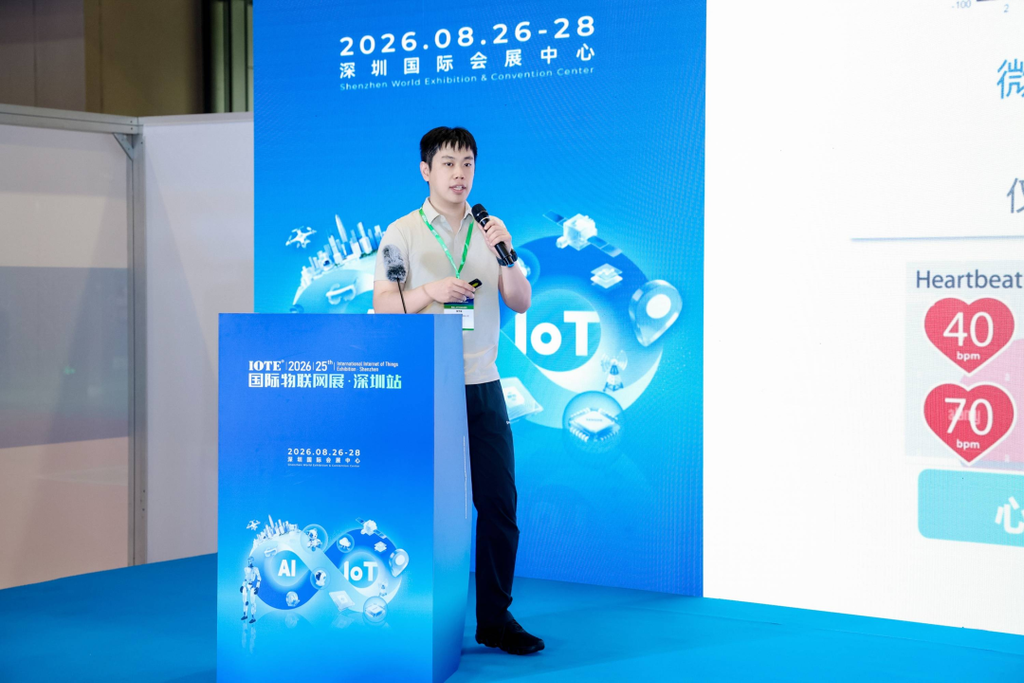
Li Yuchen, CTO of Shanghai Hecaray Technology Co., Ltd., shared the company’s latest developments in mmWave biological radar.
He explained that the team’s early technical foundation came from a laboratory project led by its Chief Scientist, Gu Changzhan, during his time at Google. The project was among the earliest efforts worldwide to integrate mmWave radar hardware into consumer smartphones for gesture control.
As the team shifted its focus to vital-sign monitoring, one of its first major challenges was addressing nonlinear Doppler phase effects caused by multiple scattering points on the human body at close range. Reconstructing these underlying physical signals is a necessary step before developing models to understand disease mechanisms.
Hecaray originated from research at Shanghai Jiao Tong University’s State Key Laboratory of Radio Frequency Heterogeneous Integration and has been working in close-range biological radar technology for nearly 20 years.
As Li explained:
“mmWave radar has an inherent advantage: it enables long-term, unobtrusive, non-contact sensing, even through certain materials. What we actually detect are the vibration signals generated by mechanical activity.”
A key breakthrough has been the ability to establish a one-to-one correspondence between characteristic points associated with the heart’s electrical activity and those associated with its mechanical activity. This led to the introduction of what the team describes as the industry’s first mmWave Radar Cardiography (MCG/DCG) concept.
The research has since expanded to include Velocity Cardiography (VCG), with the aim of developing an underlying dynamic model of the heart’s mechanical activity.
In clinical tests conducted in collaboration with Shanghai General Hospital, the radar achieved a reported heartbeat interval measurement error of just 3.5 milliseconds, equivalent to an error rate of 0.38%. The results were compared with ECG measurements to examine changes in cardiac activity during atrial fibrillation episodes.
Li also outlined Hecaray’s latest research direction: using AI foundation models to develop risk stratification and predictive capabilities for cardiovascular diseases, with a particular focus on acute myocardial infarction.
The commonly cited “golden 120 minutes” for emergency treatment of a heart attack highlights the importance of early intervention. According to the figures cited in the presentation, every 30-minute delay in treatment reduces patient survival rates by 7.5%. The team’s goal is to develop a system capable of providing early warnings before symptoms appear.
2. 4D mmWave Radar + AI: Moving Beyond Homogeneous Competition to Build End-to-End Smart Elderly Care Solutions
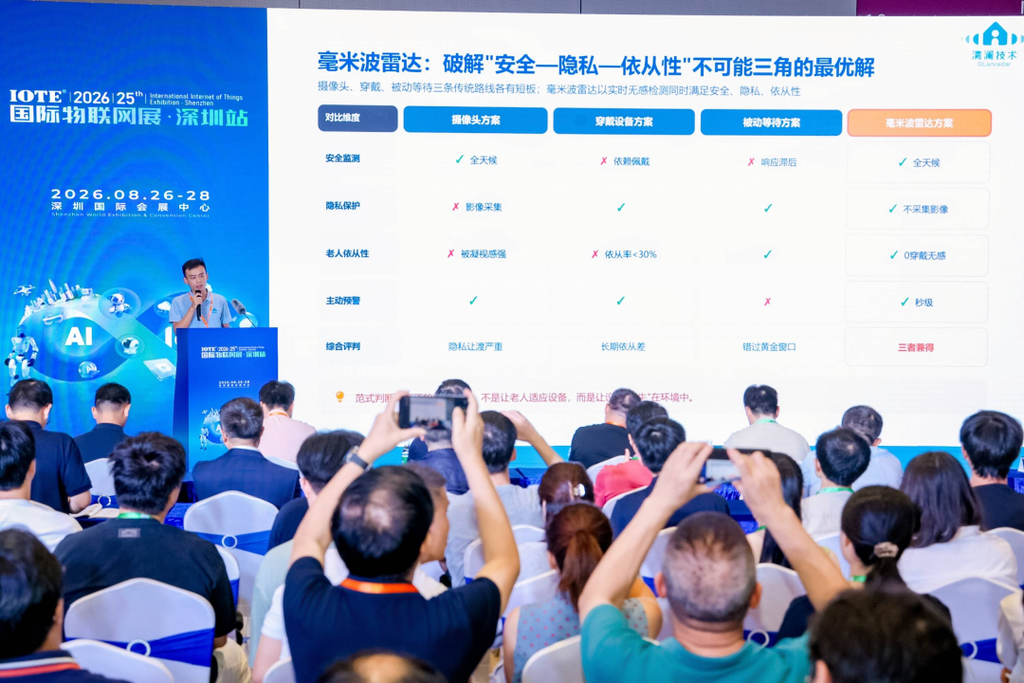
Cao Chengyong, Marketing Director at Tsinglan Technology (Shenzhen) Co., Ltd., shared the company’s practical approach to smart elderly care: integrating multiple sensing functions into a single radar device, rather than relying on five or six separate devices for home safety monitoring.
He explained that radar captures two layers of movement-related signals:
- Macro-motion: Human posture, location, and movement trajectories, helping determine where a person is and how they are positioned.
- Micro-motion: Subtle movements, such as chest movements caused by breathing and small changes in body position, which can be used to monitor vital signs.
Founded in 2022 and headquartered in Shenzhen’s Nanshan District, Tsinglan Technology was established by a team with backgrounds at Huawei and the University of Science and Technology of China. The team has also received a National Science and Technology Progress Award.
Cao emphasized the philosophy behind the company’s approach:
“True smart elderly care should not require older adults to adapt to devices. Instead, the technology should become virtually invisible in their living environment.”
This philosophy reflects Tsinglan’s core concept of spatial perception-driven proactive intelligence, applied to the specific needs of elderly-care environments.
Cao also explained why the company prioritizes multi-function integration.
First, safety risks for older adults are not limited to the bed or any single location. Effective monitoring requires spatial awareness across the entire living environment.
Second, installing five or six devices in one home creates considerable costs and complexity for ongoing maintenance and management.
Third, combining multiple sensing dimensions enables more reliable assessments and helps reduce both false alarms and missed alerts. When a potential fall is detected, the backend system can first assess the person’s posture and location, then use two-way voice communication to verify the situation. This creates a more complete alert verification process.
Because the industry has yet to establish a universally accepted definition of a fall alert, the team has also introduced a separate “sitting-on-the-floor alert” category to help identify a broader range of potential fall-related risks.
The algorithms have been trained and iteratively optimized using more than 500,000 samples collected from real-world scenarios, providing a foundation for the system’s reported high detection accuracy.
Cao presented the latest performance figures at the forum. The solution achieves a reported fall-detection accuracy of over 99%, while people counting and resting respiratory-rate detection both reach approximately 95%.
In terms of deployment, the solution has established benchmark projects across China and has been replicated at scale in overseas markets.
In Nanjing’s Gulou District, the system provides intelligent home-safety monitoring services for 10,000 households of older adults living alone. It has reportedly contributed to more than 60 successful rescue incidents, and the project has been recognized by China’s Ministry of Civil Affairs as a representative smart elderly-care case.
The company has also established partnerships with professional elderly-care service providers, including Ping An Home Care and the Hong Kong Elderly Care Association, supporting applications in community-based home care and institutional care.
Internationally, the solution has been deployed at scale in markets including the United States, Europe, Australia, and Japan. The model of spatial perception-driven smart elderly care is gaining traction across global markets.
3. Powering Physical AI Perception with mmWave Radar Chips
Enabling New Possibilities for Intelligent Living
Xu Hongtao, CEO of ICLEGEND MICRO, focused on the integration of mmWave radar chips and Physical AI sensing.
He explained that traditional mmWave sensors primarily output physical information such as distance, velocity, and angle. With AI, radar can extend its capabilities to recognize human presence, posture, gestures, and vital signs, enabling a much richer understanding of the surrounding environment.
At the forum, Xu officially announced the final chip in ICLEGEND MICRO’s third-generation product lineup: the ICL1240, a 2-transmit/4-receive SoC integrating DSP hardware acceleration and a 32-bit RISC-V MCU on a single chip.
The company’s latest wide-area coverage reference design demonstrates the chip’s expanded sensing capabilities:
- Ceiling-mounted installation: Detection range of up to 10 meters for stationary individuals and 16 meters for subtle movement.
- Wall-mounted installation: Detection range of up to 6 meters for stationary individuals and 11.5 meters for subtle movement.
These results reflect the capabilities achieved through the full implementation of the third-generation chip platform.
The company is already developing its fourth-generation products and continues to invest in its open-source developer ecosystem, one lab.
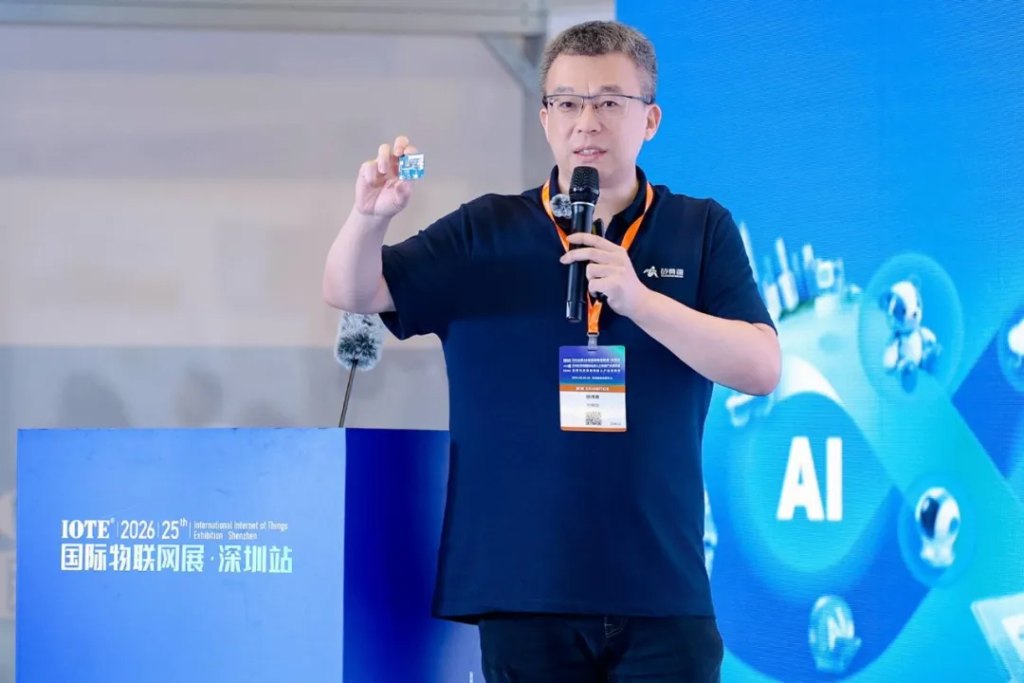
Xu emphasized:
“mmWave is becoming the third sensing layer in indoor environments because it can address problems that voice and vision technologies cannot solve.”
ICLEGEND MICRO is a China-based mmWave radar chip developer with four consecutive years of participation in IOTE. The company has extensive experience in developing high-performance mmWave sensor SoCs and provides end-to-end solutions spanning chips, reference designs, and development kits.
The presentation also revealed that ICLEGEND MICRO is preparing to launch a 24 GHz reference design specifically for more stable breathing and heartbeat detection, with a sensing range of up to 4.5 meters.
4. mmWave Radar + AI: Enabling Whole-Scenario Perception in Smart Spaces
Li Gang, General Manager of Micradar Technology (Shenzhen) Co., Ltd., shared the company’s experience in bringing mmWave radar into smart-home devices, from application development to product commercialization.
Li highlighted an issue that is common in the industry but rarely discussed openly: many manufacturers test respiratory and heart-rate monitoring with subjects sitting still, even though real-world users need reliable monitoring when they are moving, feeling unwell, or even struggling.
Micradar is a wholly owned subsidiary of Songyuan Technology. Since entering the consumer market in 2019 from its automotive radar business, the company has developed end-to-end capabilities covering antenna design and underlying algorithms. Its customers include consumer electronics and home appliance brands such as Xiaomi, TCL, and Hisense.
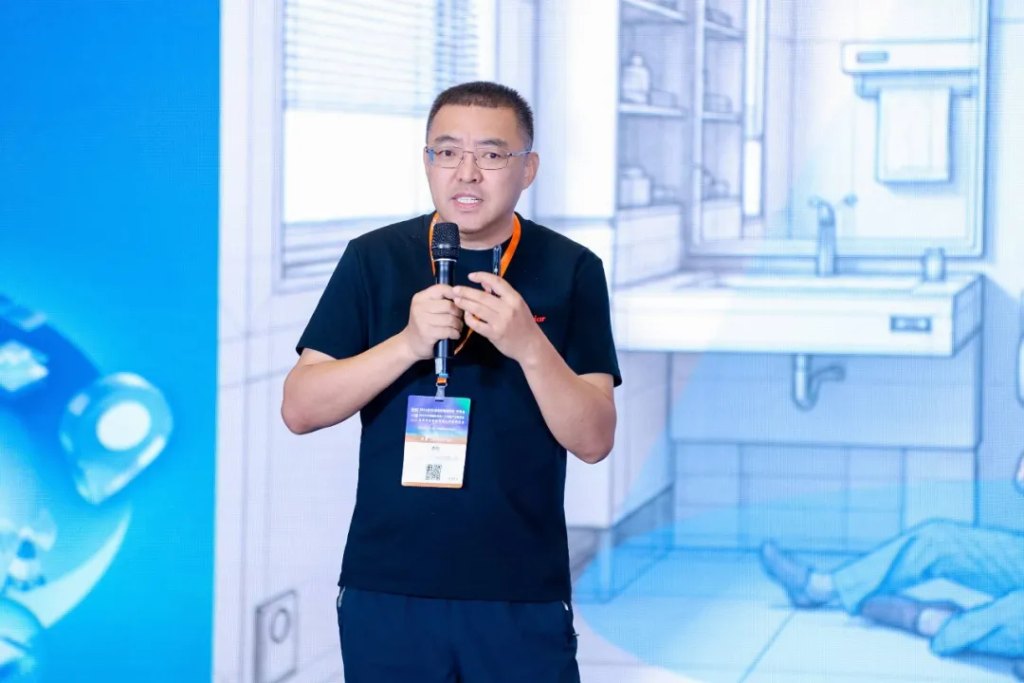
As Li put it:
“Cameras have the advantage of visual confirmation. But when someone is covered by a blanket or wearing clothes, mmWave radar is better at detecting whether they are breathing.”
Li shared how the company integrates the same radar technology into different home appliances.
Bathroom heaters are currently the company’s largest-volume product category. By detecting a person’s position, the system can direct warm air toward them more effectively.
In bedroom lighting, radar sensing is combined with temperature control, white noise, and warm lighting to improve the sleep experience. The system reportedly achieves more than 95% accuracy in identifying the transition from wakefulness to sleep, measured at 10-minute intervals, and 99% accuracy in detecting the transition from sleep to getting up.
He also highlighted a less obvious technical challenge in hotels and office environments: false targets caused by moving curtains and rotating fans.
To address this issue, the team has developed an anti-interference human-presence detection solution designed to filter out environmental noise and improve reliability in real-world indoor settings.
5. mmWave Radar Sensors with Edge AI: From False Alarms to Reliable Real-World Applications
Wang Shunan, Vice President of Hangzhou Andar Technologies Co., Ltd., presented practical applications combining mmWave radar chips with embedded AI. His presentation focused on how a neural network measuring just a few dozen kilobytes can help solve the problem of false alarms in real-world radar deployments.
Founded in 2016, Andar Technologies has a team with around 20 years of experience in mmWave radar chip development. The company operates R&D teams in Shanghai, Hangzhou, Melbourne, and Shenzhen.
It also has an automotive-grade product portfolio. Its 77 GHz single-chip, 16-channel phased-array radar chip was described in the presentation as the only solution of its kind currently in mass production worldwide.
The company expects to launch a new 60 GHz 8T8R 4D radar chip in Q4 2026, building on its existing 77 GHz 8T8R 4D radar chip, alongside an antenna-in-package (AiP) solution.
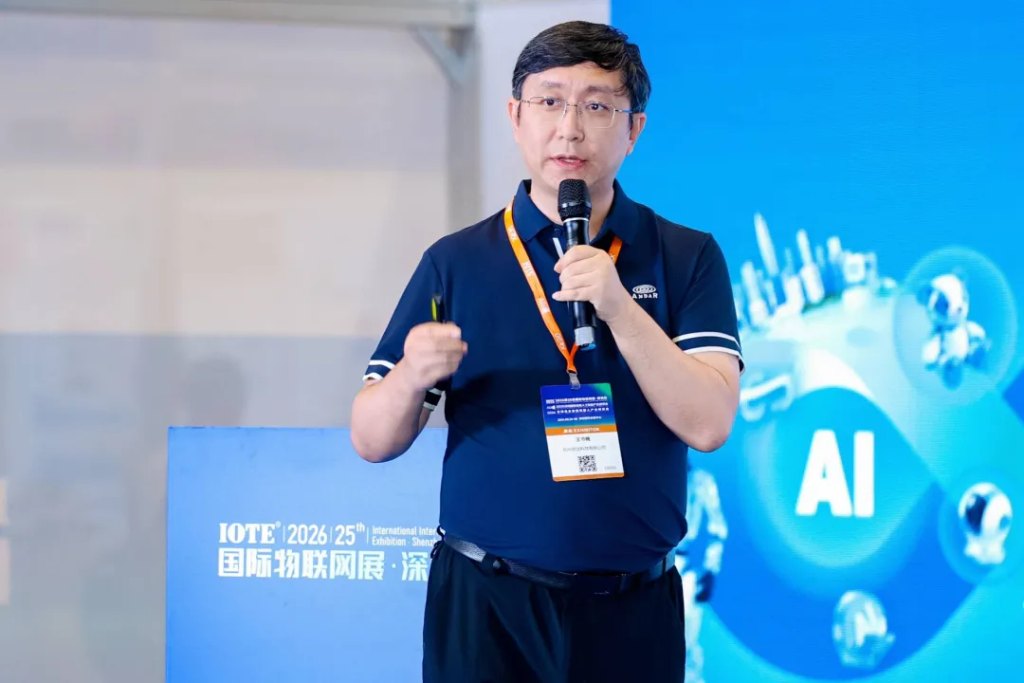
Wang explained:
“Traditional radar can see what is happening. But large-scale commercialization depends on whether it can understand what it sees. That is where AI comes in.”
He illustrated the value of embedded AI with a practical example: gesture-based control of vehicle power tailgates.
Traditional signal processing methods can struggle to distinguish an intentional foot-kick gesture from interference caused by a charging cable being dragged across the ground.
To address this, Andar deployed an embedded neural network of just over 30 KB on its ADT3102 2T2R chip. Across 3,808 test cases, the system achieved a reported 99% foot-gesture recognition accuracy, while reducing false activations caused by charging cables to 0%.
The same approach is also being applied to in-cabin child presence detection designed to meet mandatory EU requirements.
Even when an infant is sleeping quietly, the radar can continuously monitor the rear seats through breathing and subtle movements to determine whether someone is present. Combined with occupant classification, the system can distinguish infants from adults and trigger different levels of alerts accordingly.
6. From Detection to Safer Flight: Building a Safety Envelope for Low-Altitude Aviation
Gu Jing, CTO of SOZYIN, explored the potential of mmWave radar in the rapidly developing low-altitude economy, highlighting its unique applications and current technological capabilities.
Gu identified four major sensing challenges in low-altitude flight:
- All-weather operation: Maintaining reliable perception in adverse weather conditions.
- Detection of thin obstacles: Avoiding missed detections of power lines, cables, and other slender objects.
- Real-time terrain following: Supporting low-altitude flight over complex terrain.
- Accurate altitude measurement: Overcoming the limitations of barometers and GPS in maintaining precise altitude over longer distances.
Headquartered in Wuxi, Jiangsu, SOZYIN has branches in Shenzhen, Nanjing, and Zhengzhou. Its products are widely used in low-altitude security and intelligent transportation applications.

Gu explained the company’s approach to building a complete, all-weather perception system for unmanned aerial vehicles:
“By combining high-resolution obstacle-avoidance radar, full-range altitude-measurement radar, and multi-sector terrain-following radar, we can establish a complete, all-weather sensing loop for UAV platforms.”
At the forum, he also unveiled the company’s new flagship obstacle-avoidance radar.
The system upgrades from a 4-transmit/4-receive architecture to an 8T8R configuration. Through MIMO processing, it achieves the equivalent of 64 digital beamforming channels, enabling it to identify extremely thin obstacles, such as power lines, from dozens of meters away. Its point-cloud refresh rate exceeds 20 Hz.
The solution is complemented by a 16-sector radar capable of real-time scanning for terrain following, specifically designed for low-altitude flight over complex environments such as hills and wooded areas.
In power-line inspection applications, the system can reliably identify fine targets such as conductors, ground wires, and spacer dampers from distances of up to 30 meters, even in rainy or foggy conditions.
The same technology is also being extended to vehicle-road collaboration and industrial level measurement.
mmWave Radar Market Trends in 2026
In 2026, as profit margins in the automotive radar market come under increasing pressure, a new landscape of promising applications is opening up across other industries.
At the same time, the rise of Physical AI is creating significant demand for real-world sensing data. Sensors such as mmWave radar are no longer expected simply to collect information. Increasingly, they must also use edge AI to interpret data and make decisions or trigger responses directly within the device.
The technology is evolving beyond basic human-presence detection toward more advanced capabilities, including interference suppression, breathing and heartbeat monitoring, and multi-target tracking.
As sensing systems move into increasingly complex real-world environments, the ability to extract subtle signals and make reliable judgments is becoming a critical technical challenge.
For the mmWave radar ecosystem, this creates both an opportunity and a shared responsibility: to strengthen collaboration across the industry, address key technological bottlenecks, and accelerate the development of more intelligent, reliable sensing solutions for the Physical AI era.