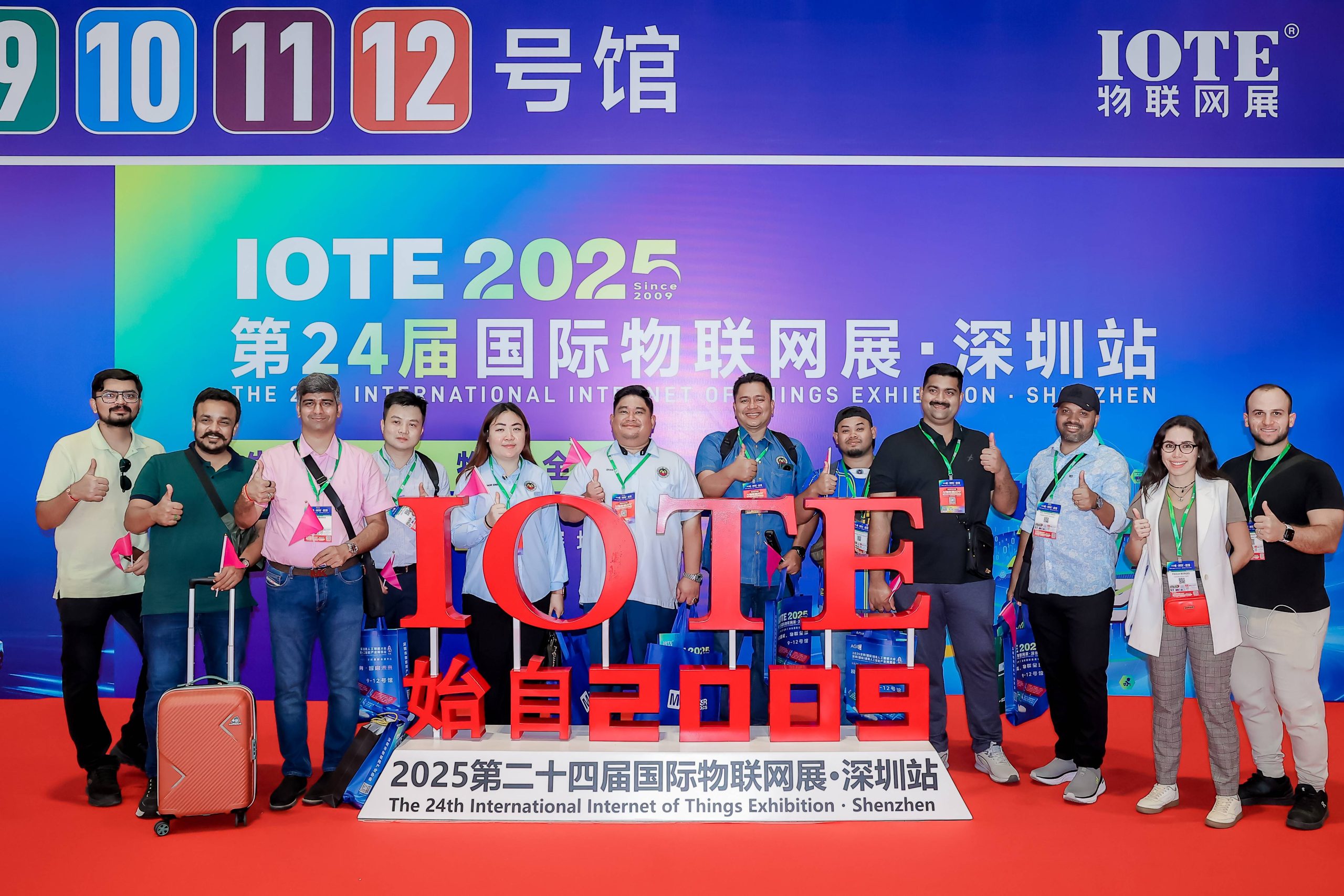
The event was guided by the Shenzhen Science, Technology and Innovation Bureau and hosted by CASTDA. It was jointly organized by Zhongkaiyuan Innovation and Entrepreneurship Competition Innovation Center (Shenzhen) Co., Ltd., the Shenzhen Internet of Things Industry Association, the Shenzhen Artificial Intelligence Industry Association, and other partner organizations.
By bringing the grand final pitching sessions and award ceremony to a major industry exhibition, the event created a closer connection between the competition platform and the broader industrial ecosystem.
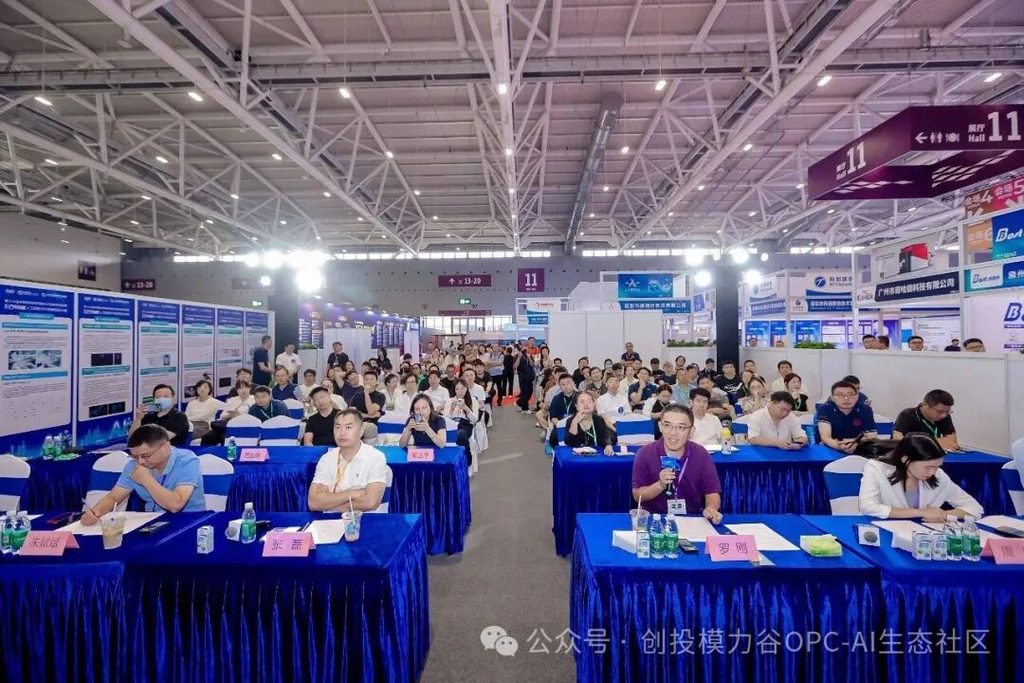
PART 01 | Integrating Competition with Exhibition: Creating a Faster Track for Startup Growth
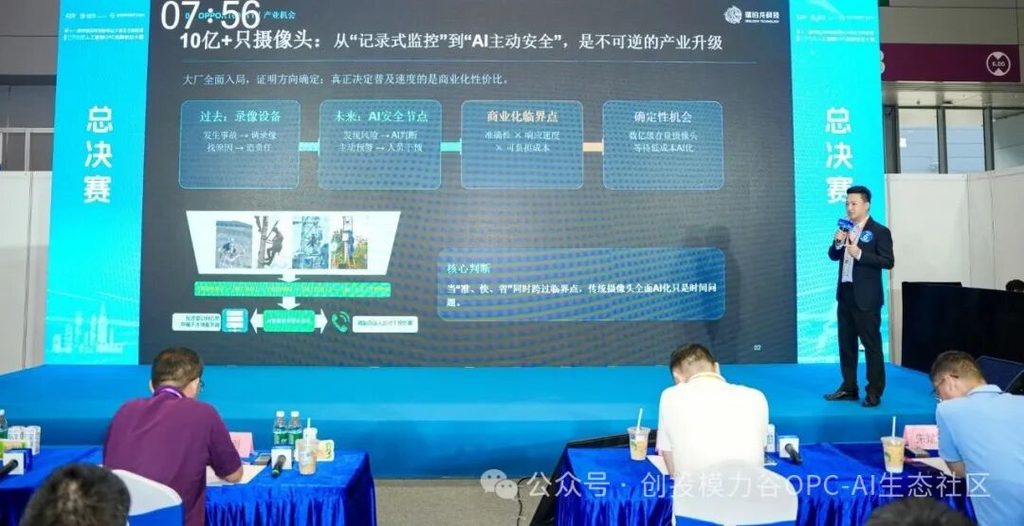
This year’s competition broke away from the traditional closed-door pitching format by hosting its grand final at the 25th IOTE International IoT Exhibition.
The exhibition covered 80,000 m² and brought together more than 1,000 exhibitors from around the world. On its opening day, it welcomed 48,109 industry professionals and more than 3,000 overseas visitors, creating a highly concentrated ecosystem spanning AI, IoT, smart hardware, sensing technologies, and related industries.
Leveraging the exhibition’s extensive industry reach and supply chain resources, participating teams had the opportunity to connect directly with manufacturers, domestic and international buyers, technology experts, and investment institutions.
This gave innovative projects access to multiple opportunities beyond the competition itself, including industry exposure, business negotiations, and investment connections. By combining the strengths of an innovation competition with those of a major industry exhibition, the initiative helped turn promising technologies into tangible opportunities for business development.
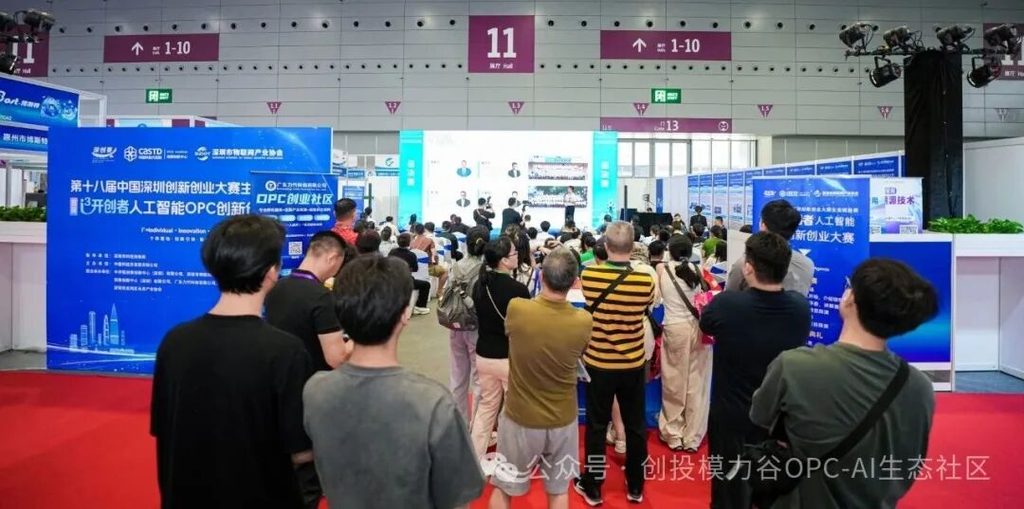
PART 02 | Advancing the OPC Ecosystem: Building an End-to-End Startup Development Pathway
As a dedicated initiative supporting the Shenzhen Action Plan for Building a Leading AI OPC Entrepreneurship Ecosystem (2026–2027), the competition was closely aligned with Shenzhen’s AI industry development strategy and welcomed innovative teams from across China.
It established a comprehensive startup development pathway encompassing broad-based project selection, tiered incubation, and progression to municipal-level competitions.
The competition focused on three key areas:
- Human-machine collaborative intelligence
- Advanced equipment manufacturing
- Next-generation electronic information technology
A total of 131 promising innovation projects were submitted. Following multiple rounds of rigorous evaluation, 20 outstanding teams advanced to the grand final, with seven selected projects progressing to the semifinals of the 18th China Shenzhen Innovation & Entrepreneurship Competition.
The initiative helped identify promising projects and cultivate innovative talent, strengthening the foundation for Shenzhen’s AI OPC entrepreneurship ecosystem.
PART 03 | Celebrating Innovation: Winners Announced
At the award ceremony, distinguished guests and industry representatives joined the competition judges in presenting awards to the winning teams. Guests included Cao Dahua, Deputy Director of the Shenzhen Center for Science, Technology and Innovation Strategy; Fan Congming, Executive Vice President of the Shenzhen Artificial Intelligence Industry Association; Yan Shengli, General Manager of Zhongkaiyuan Incubation Management Co., Ltd.; and Yang Weiqi, Executive President of the Shenzhen Internet of Things Industry Association.
Following the final on-site pitches, the winners were announced:
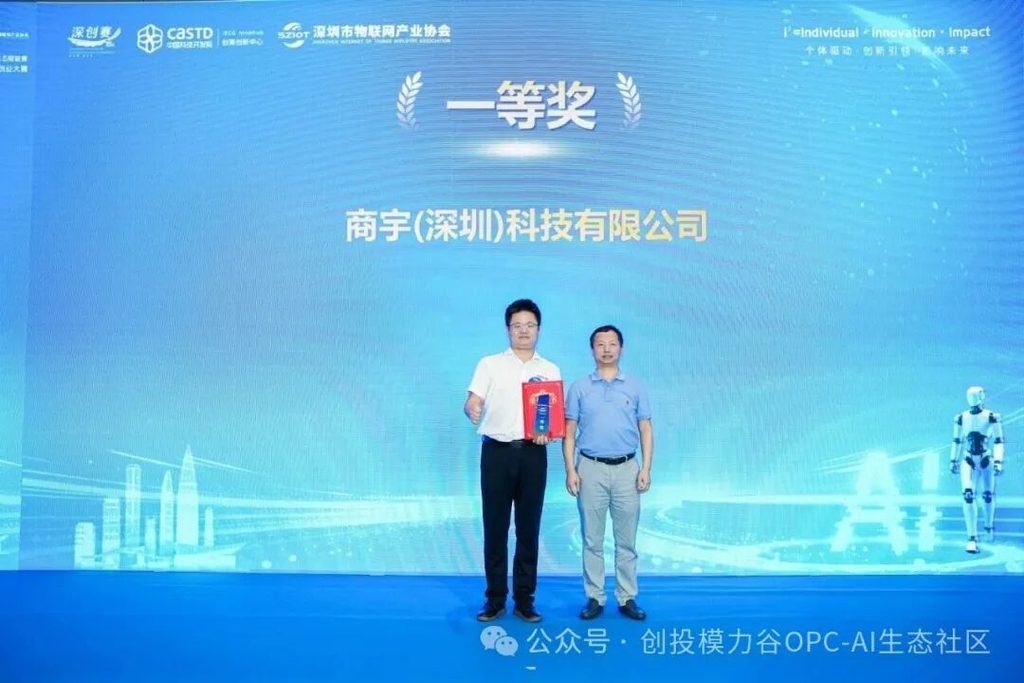
First Prize
Shangyu (Shenzhen) Technology Co., Ltd.
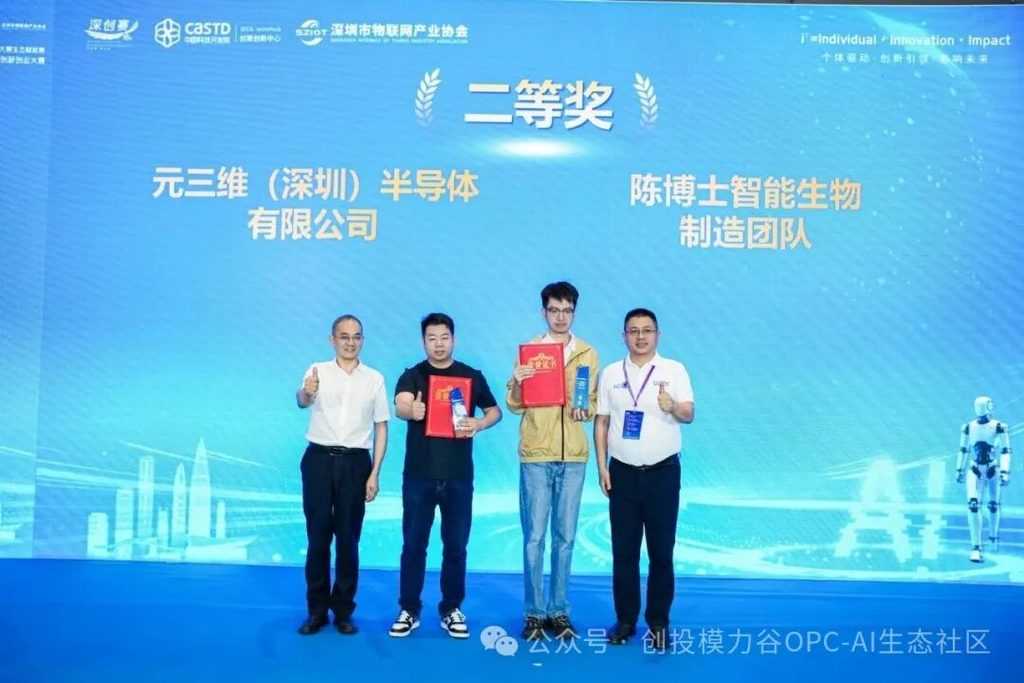
Second Prize
- Yuan 3D (Shenzhen) Semiconductor Co., Ltd.
- Dr. Chen’s Intelligent Biomanufacturing Team
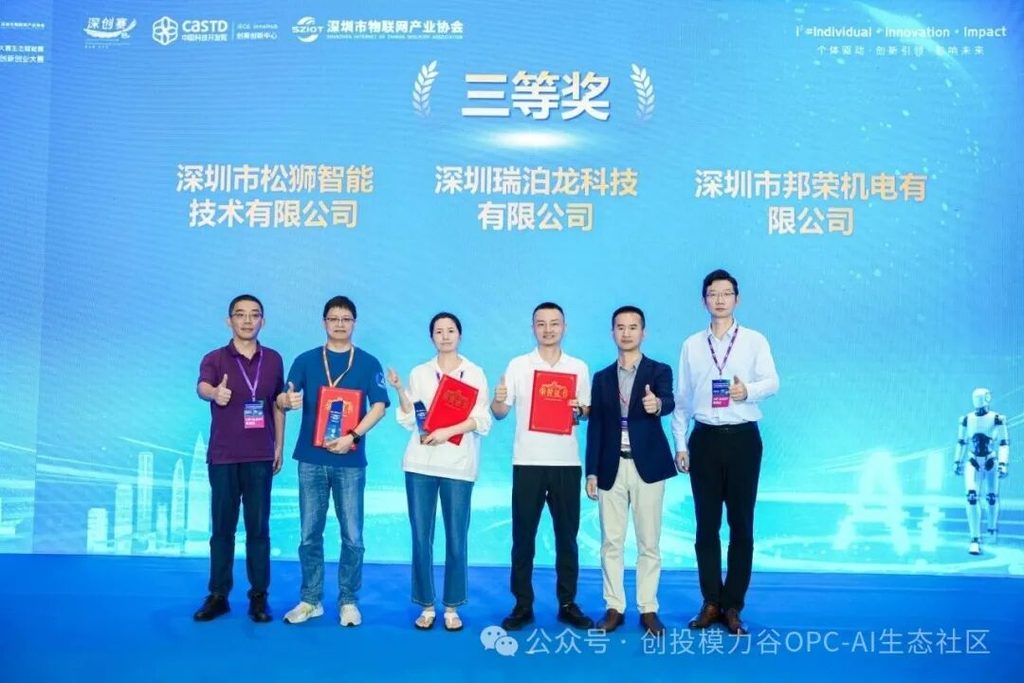
Third Prize
- Shenzhen Sonsii Intelligent Technology Co., Ltd.
- Shenzhen Bangrong Electromechanical Co., Ltd.
- Shenzhen Rebloom Technology Co., Ltd.
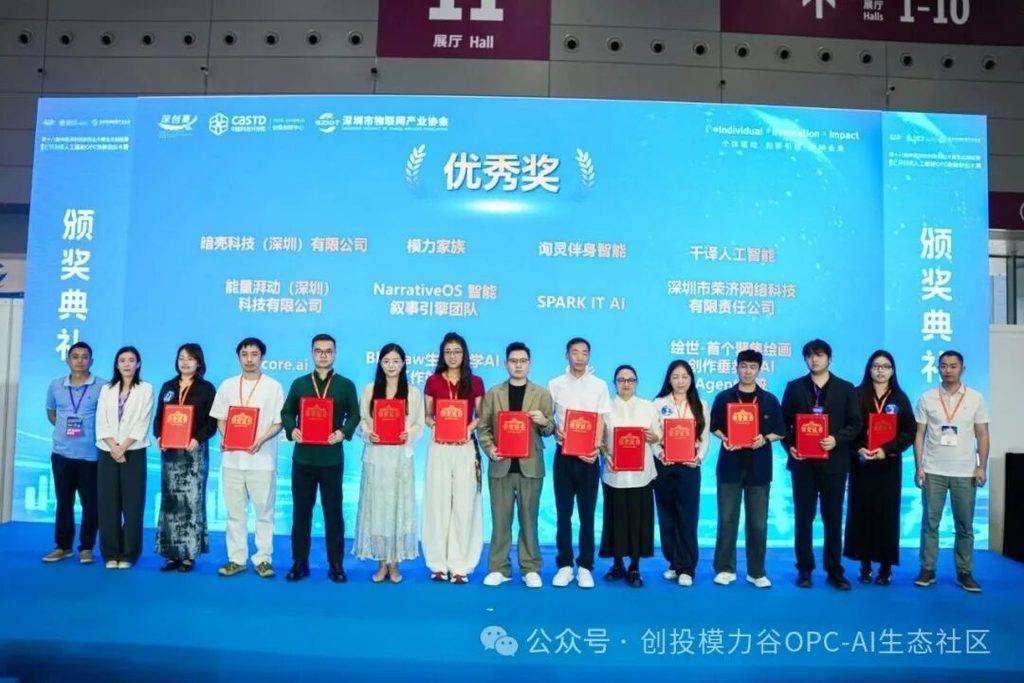
Excellence Awards
13 outstanding projects received Excellence Awards.
PART 04 | Four Areas of Impact: Connecting Competition, Exhibition, and Policy Support
The integration of the competition and exhibition went far beyond simply bringing two events together. It created a practical support framework for participating projects across four key dimensions: industry collaboration, investment access, market exposure, and policy support.
1. Strengthening Industry Matchmaking
A dedicated industry matchmaking area was established at the exhibition, giving participating teams opportunities to meet face-to-face with more than 1,000 exhibitors.
Discussions focused on supply chain partnerships, product commercialization, and market channel development, helping connect technological innovation with real-world industry needs.
2. Expanding Access to Investment Resources
The initiative brought together investment institutions participating in the exhibition and investors involved in the competition’s judging process. This created broader opportunities for startups to connect with potential investors, explore financing options, and secure capital support for their development.
3. Increasing Industry Visibility
Participating projects benefited from the exhibition’s six-figure professional visitor reach, gaining exposure among industry audiences in China and overseas. This helped raise their profiles and expand their visibility across relevant industry networks.
4. Creating a Pathway to Municipal-Level Support
Seven selected projects were recommended to advance to the semifinals of the 18th China Shenzhen Innovation & Entrepreneurship Competition. This provided a pathway to further opportunities, including municipal-level talent funding and innovation support programs.
Together, these measures established an integrated development pathway linking competition-based project selection, exhibition-driven industry empowerment, and policy support.
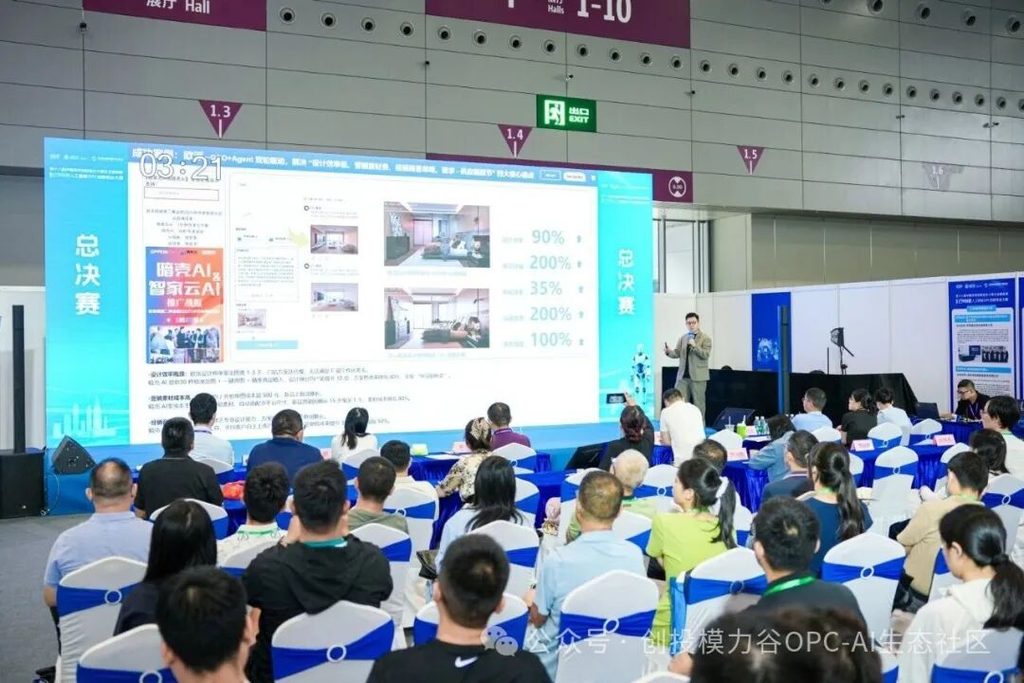
Even after the award ceremony concluded, industry engagement continued. Participating teams, exhibitors, venture capital institutions, and incubation organizations held further discussions, exploring potential partnerships and business opportunities.
The inaugural “i³ Pioneer” AI OPC Innovation & Entrepreneurship Competition demonstrated the value of integrating an innovation competition with IOTE International IoT Exhibition. This approach helped address two critical challenges faced by emerging technology ventures: bringing innovations into commercial use and accessing investment resources.
By connecting high-potential AI projects with industrial partners, investors, and market opportunities, the initiative is helping promising innovations move from the competition stage to the marketplace and supporting the high-quality development of Shenzhen’s lean, AI-driven entrepreneurship ecosystem.