
On the morning of August 27, 2026, the Frontier Innovations in World Models Forum, themed “Bridging Virtual and Physical Worlds, Sensing Everything,” was held at Shannon Hall, Hall 12, Shenzhen World Exhibition & Convention Center (Bao’an).
The Forum brought together leading academics and industry professionals to explore frontier breakthroughs in world model technologies and their pathways to commercialization. Discussions focused on the evolution of artificial intelligence — from perceiving the world to understanding it, and ultimately to making decisions and taking action within it.
2026 AGIC & GERX
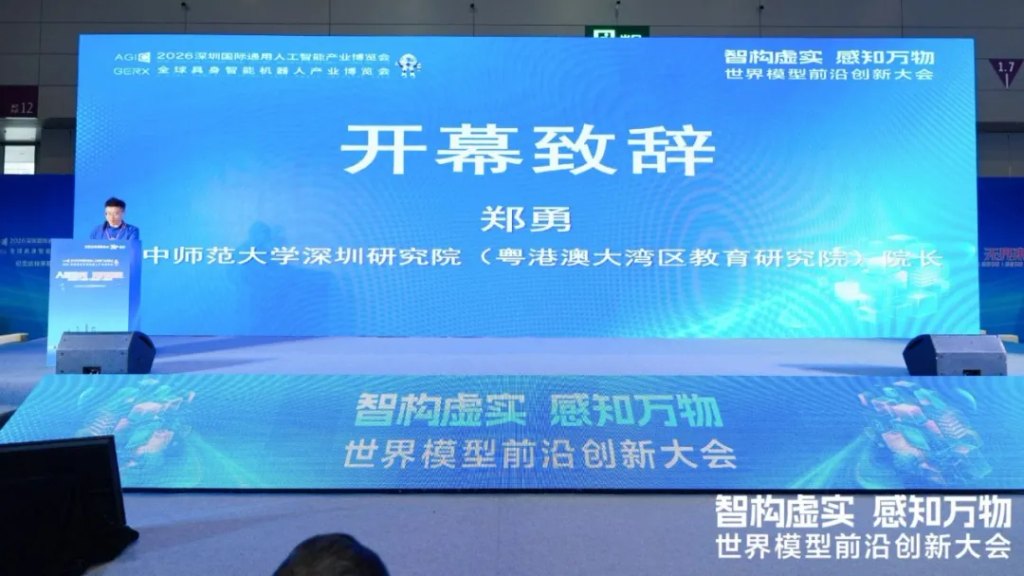
Zheng Yong, Dean of the Shenzhen Research Institute of Central China Normal University (Greater Bay Area Institute of Education), attended the Forum and delivered the opening address.
In his remarks, Zheng noted that advancing world model innovation is a long-term endeavor requiring shared commitment, stronger consensus, and practical collaboration among all stakeholders. He emphasized the importance of accelerating the translation of technological advances into real-world applications. He also outlined Central China Normal University’s approach to AI development across three key areas:
1. Embracing the paradigm shift while balancing fundamental research and application-driven innovation
As the first university in China to establish a Faculty of Artificial Intelligence Education, Central China Normal University leverages key research platforms, including the National Engineering Research Center for Educational Big Data Application Technology. Its research focuses on virtual-physical integrated learning environments and intelligent education technologies, alongside work on the reliability and explainability of AI systems.
2. Integrating industry, education, and research to create distinctive applications in science and education
By leveraging digital twin technology, the university is developing immersive teaching and training environments that enable educators to enhance their teaching capabilities through virtual-physical integrated scenarios.
3. Fostering open collaboration and building an innovation community through shared participation
Zheng also noted that in September 2026, the Shenzhen Research Institute of Central China Normal University was expected to collaborate with Shenzhen’s Luohu District to establish an AI education industrialization base. The initiative aims to translate industry-education-research integration into practical industrial applications and contribute Greater Bay Area standards to the development of intelligent education.
Keynote Presentations | Exploring the Next Frontier of World Models
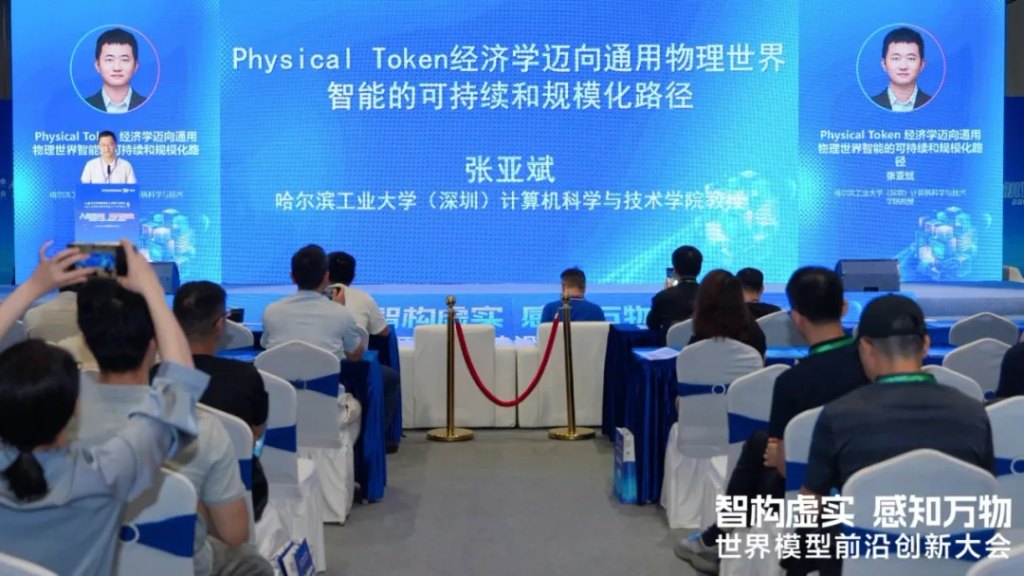
During the keynote session, Professor Zhang Yabin from the School of Computer Science and Technology at Harbin Institute of Technology, Shenzhen, delivered a presentation titled “The Economics of Physical Tokens: A Sustainable and Scalable Path Toward General-Purpose Physical Intelligence.”
He proposed a new framework for measuring the costs of deploying Physical AI in real-world environments. Drawing on previous waves of technological transformation, he explained that every major technological shift requires a corresponding system for measuring costs. Robotics and other embodied intelligence applications therefore need a standardized unit-cost accounting mechanism based on Physical Tokens. Such cost metrics have a direct bearing on technology design and business models. Establishing a clear framework will be essential to enabling the sustainable development and commercialization of Physical AI.
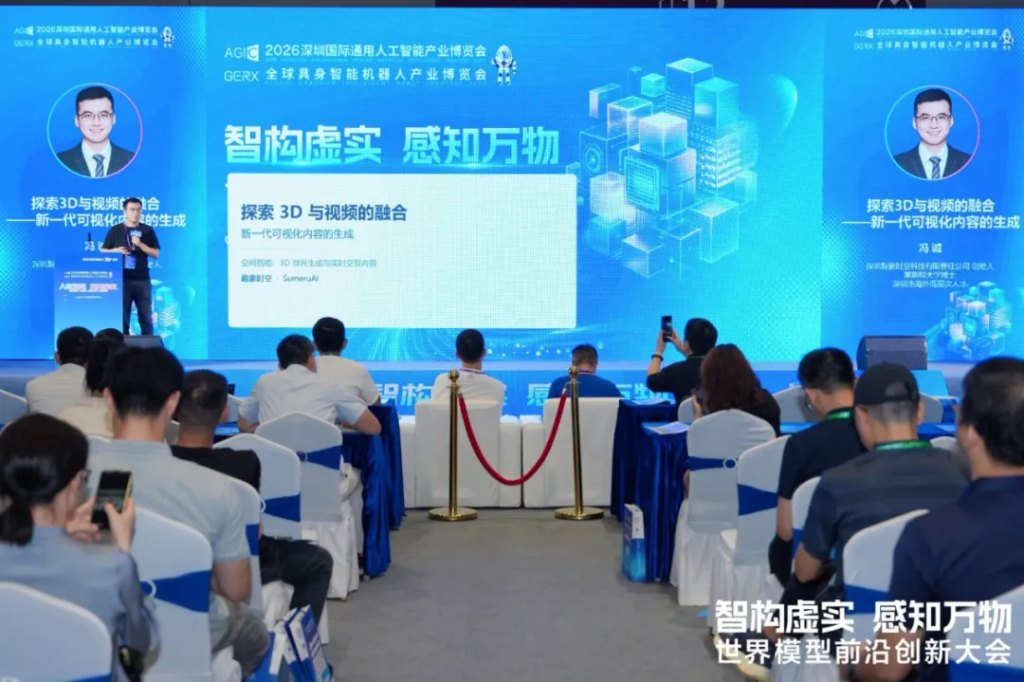
Feng Cheng, Founder of Shenzhen Quxiang Shikong Technology Co., Ltd., shared practical insights in a presentation titled “Exploring the Convergence of 3D and Video: Generating a New Generation of Visual Content.”
He highlighted several limitations of conventional content creation in the era of world models, including static content formats and limited interactivity. Long-form video generation also continues to face challenges in maintaining consistency. By contrast, 3D content can serve as a reusable digital asset, allowing users to freely adjust viewing angles, generate consistent long-form content, and enable real-time interaction at lower costs.
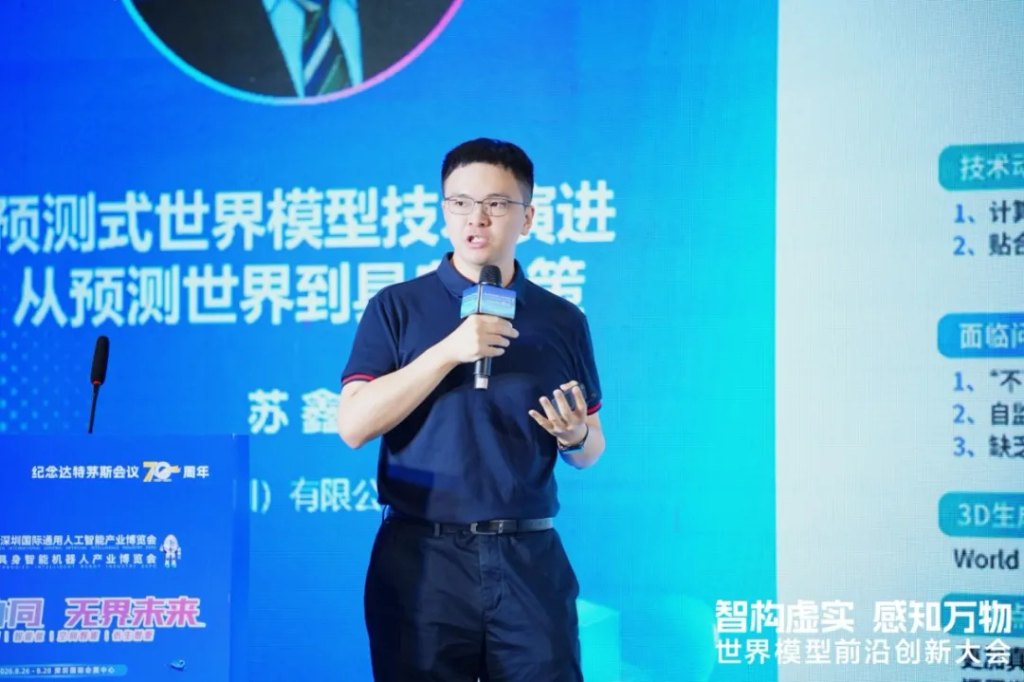
Next, Su Xin, Co-CTO of Beijing Qianjue Technology Co., Ltd., delivered a presentation titled “The Evolution of Predictive World Models: From Predicting the World to Embodied Decision-Making.” He examined the technological evolution of predictive world models, focusing on their transition from environmental prediction toward decision-making capabilities for embodied intelligence.
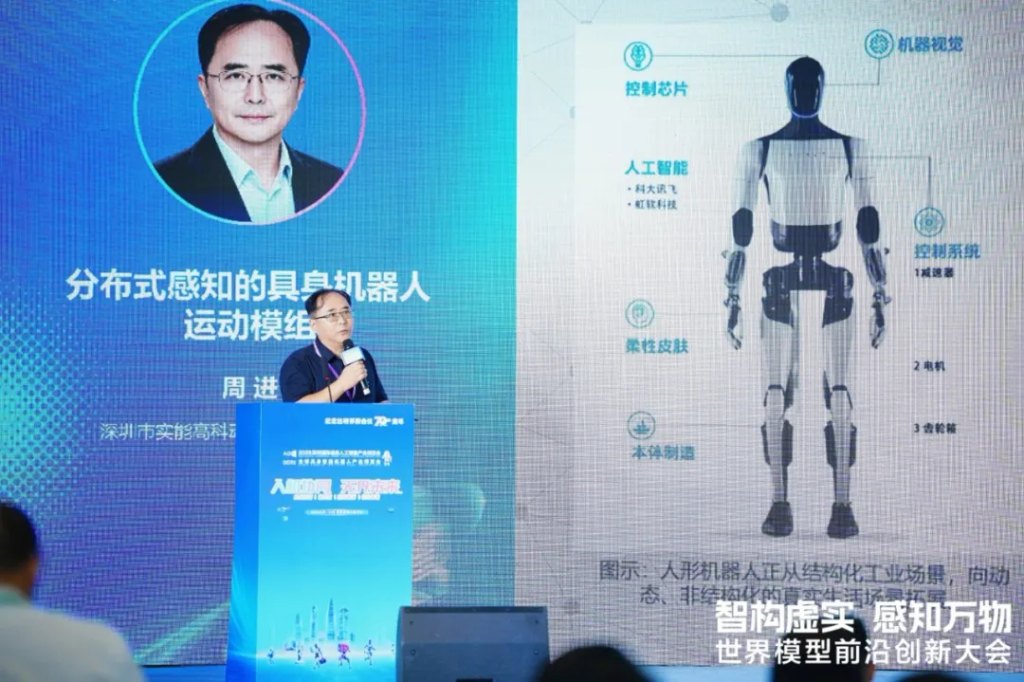
Zhou Jin, Founder of Shenzhen Super Nova Technology Co., Ltd., presented “Distributed-Sensing Motion Modules for Embodied Robots,” sharing innovative applications of distributed sensing architectures in robotic motion control.
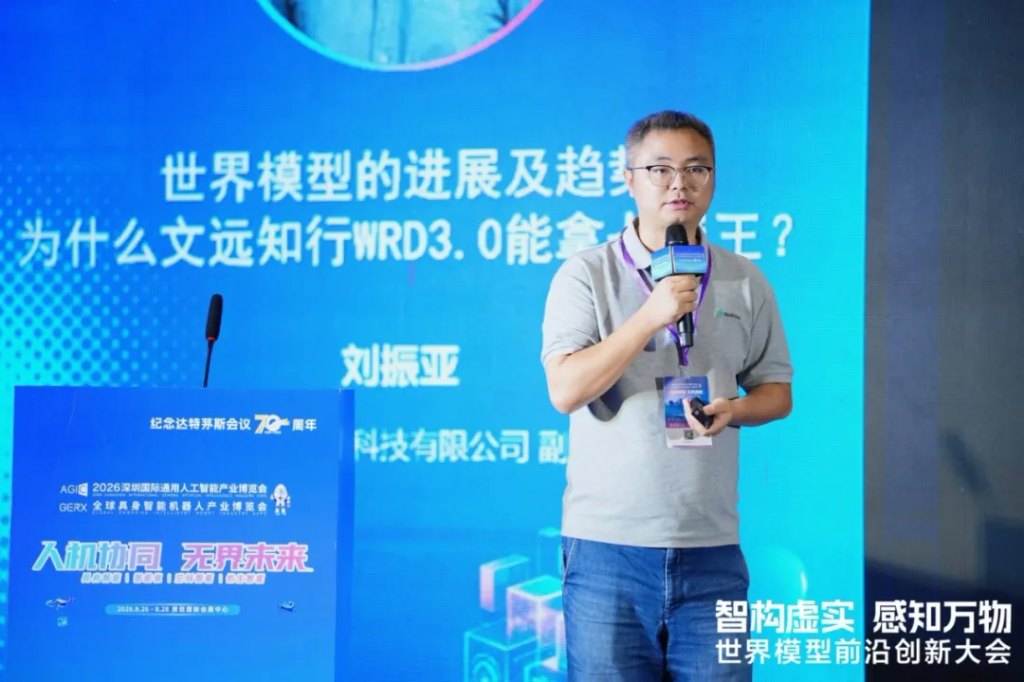
Liu Zhenya, Vice President of WeRide, delivered a presentation titled “The Progress and Trends in World Models: How Did WeRide WRD 3.0 Achieve Seven Championship Titles?” He shared practical achievements in applying world model technologies to autonomous driving and explored the technical advances behind WRD 3.0’s competitive results.
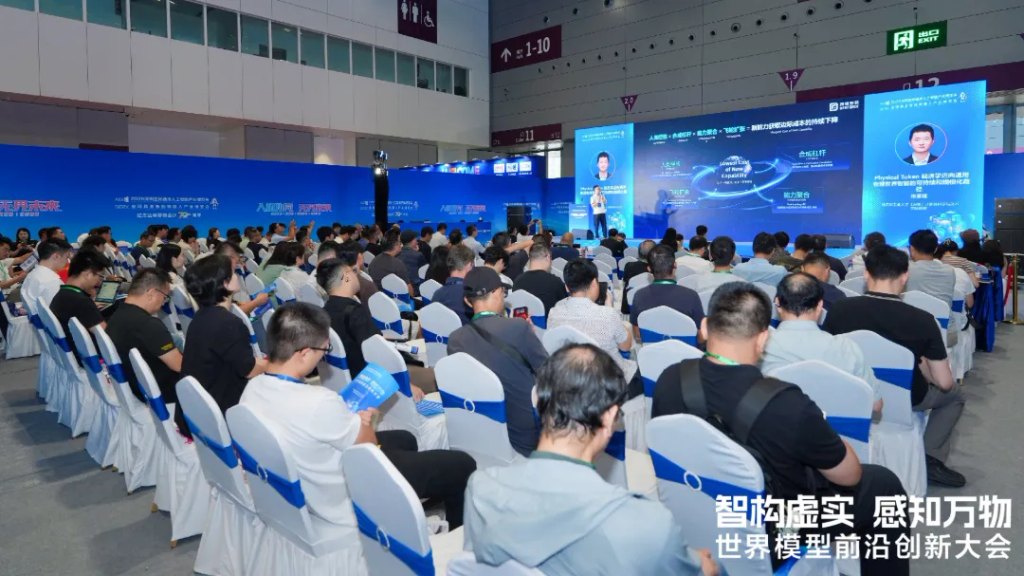
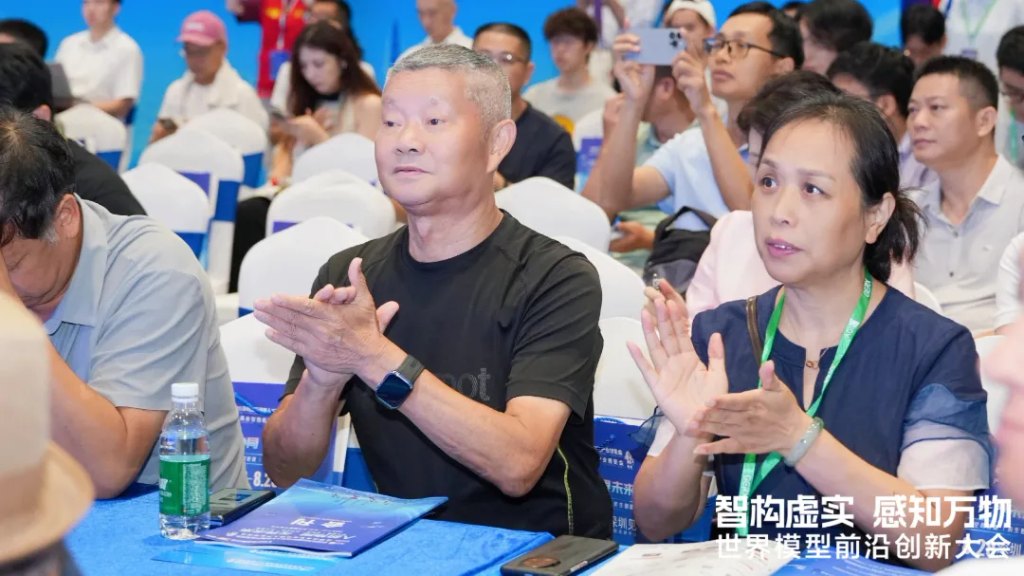
As a parallel forum of the 2026 AGIC & GERX Conference, the Frontier Innovations in World Models Forum created a platform for meaningful dialogue and collaboration among academia, research institutions, and industry.
World models are approaching a critical transition from technological breakthroughs to large-scale applications. Areas such as 3D and video convergence, embodied intelligence, and predictive decision-making are accelerating the development of a new model ecosystem. As technology costs continue to decline and application scenarios expand, world models are poised to become a key driving force in the evolution of artificial intelligence toward general intelligence, supporting high-quality innovation across the Guangdong-Hong Kong-Macao Greater Bay Area and China’s broader AI industry.