
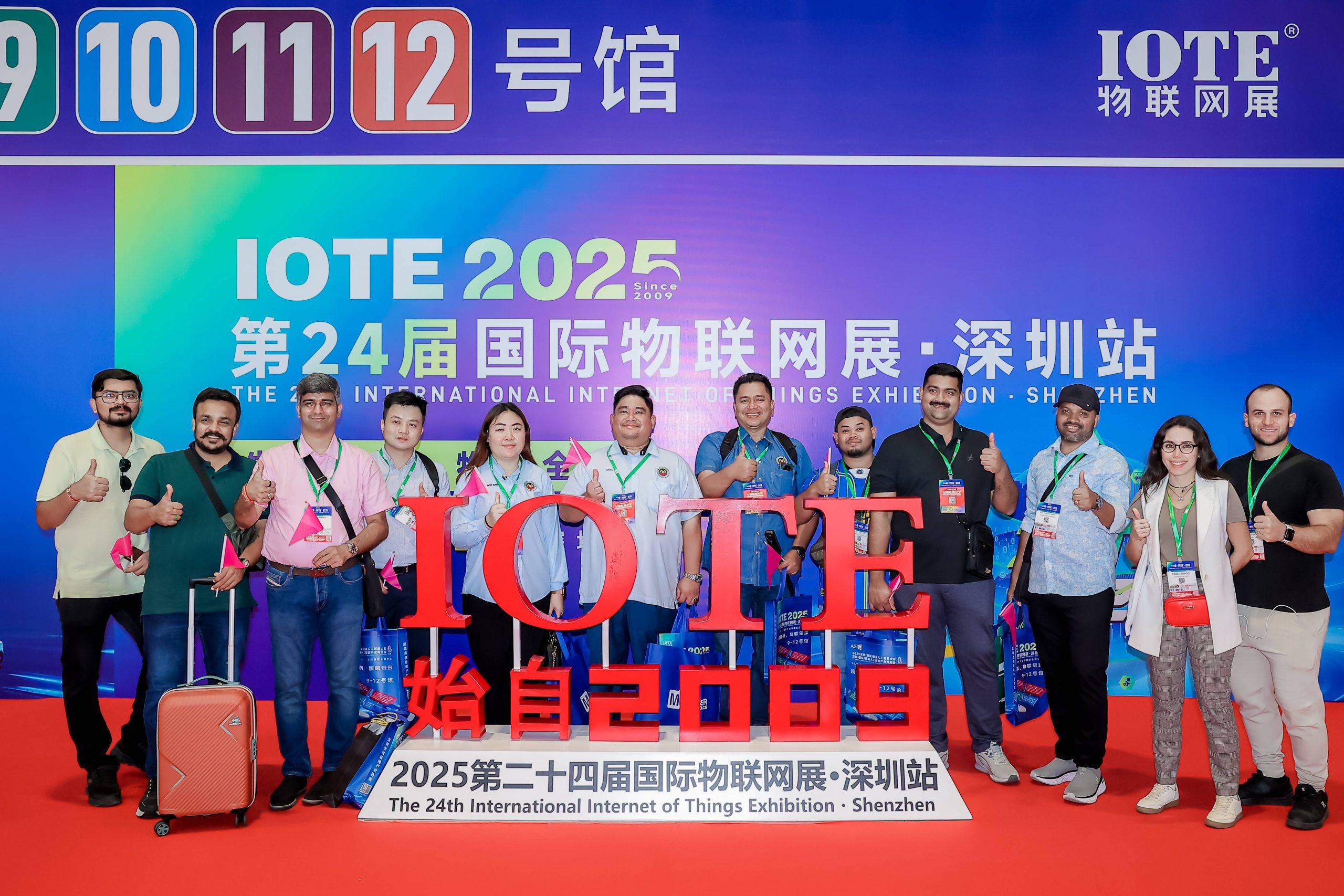
On the afternoon of August 27, 2026, the Smart Robotics Industry Standards & Applications Forum, one of the parallel forums of AGIC 2026, brought together a full audience at Shenzhen World Exhibition & Convention Center (Bao’an). Under the theme “Standards Lead the Way, Intelligence Shapes the Future,” the forum focused on advancing industry standards and promoting innovation in robotics applications.
The event was guided by the Shenzhen Municipal Administration for Market Regulation and organized by the Shenzhen Institute of Standards and Technology. It was co-organized by the AI Industry Standards and Intellectual Property Innovation Consortium, Shenzhen Artificial Intelligence Industry Association, Shenzhen Internet of Things Industry Association, and Smart City Industry Ecosystem Alliance.
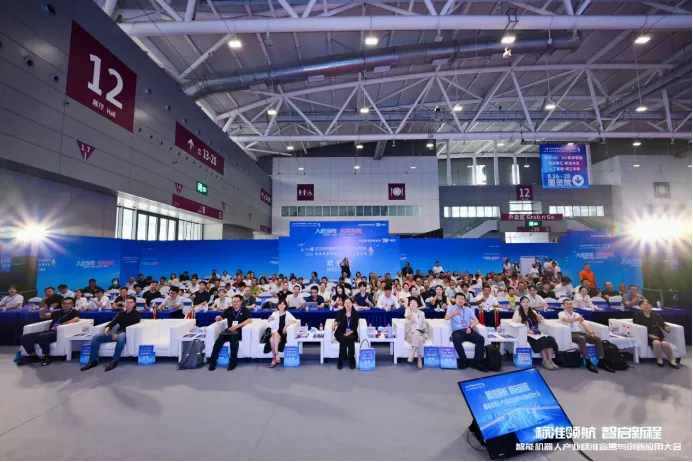
Opening Remarks | Defining the Role of Standards in Industry Development
Yu Rongfang, Deputy Director of the Standards Division at the Shenzhen Municipal Administration for Market Regulation, delivered the opening remarks.
From the perspective of a government standards authority, she shared insights into the role of standardization in industrial development and discussed how Shenzhen can contribute to shaping a more structured and competitive robotics industry.
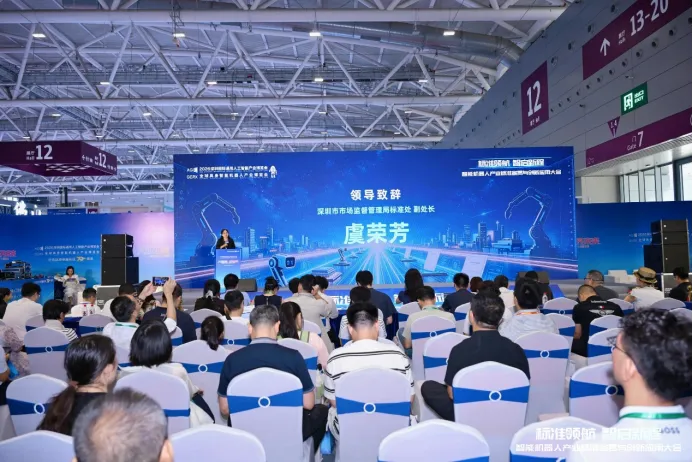
Understanding the Industry | From Strategic Direction to Standardization Frameworks
The presentations explored two complementary questions: Where is the industry heading, and how can it get there?
Shi Lin, Director of the Embodied Intelligence and Robotics Department at the Institute of Artificial Intelligence, China Academy of Information and Communications Technology (CAICT), and Qin Xiugong, Head of the Secretariat of the National Technical Committee on Robotics Standardization, examined the industry from two perspectives: the overall development of Embodied Intelligence and the establishment of a national standardization framework.
Their presentations outlined the evolution of Embodied Intelligence and explained how standards can guide the industry beyond isolated technological breakthroughs toward coordinated, system-level development.
Li Li, Director of the Industrial Research Center at the Shenzhen Institute of Artificial Intelligence and Robotics for Society (AIRS), offered a perspective grounded in Shenzhen’s industrial landscape and the Greater Bay Area. He analyzed emerging technology trends and the likely pace of industrial adoption, highlighting the practical considerations involved in bringing robotics technologies into real production environments.
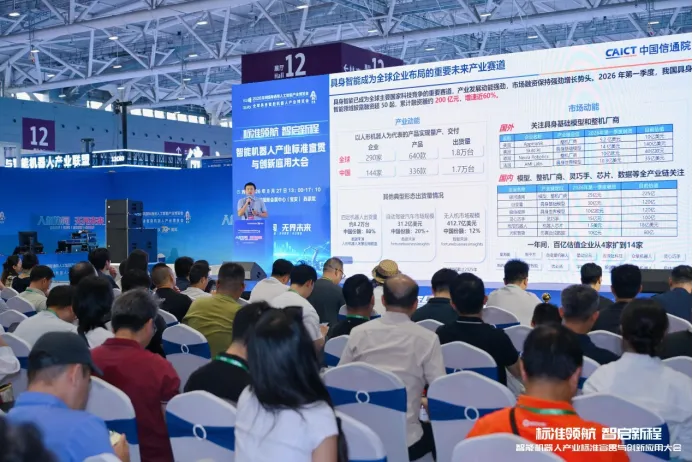
Turning Standards into Practice | From Engineering Implementation to Full-Stack Integration
The next group of presentations focused on implementation: how can industry standards translate into practical engineering solutions and commercial applications?
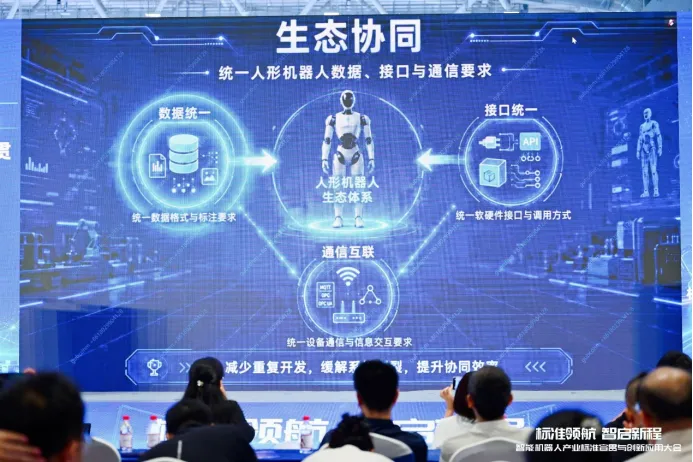
Liang Qiaoling, Standards Director and Senior Engineer at UBTECH ROBOTICS CORP LTD, shared the company’s experience in implementing standardization for humanoid robots. She demonstrated how high-level standards can be translated into practical engineering requirements and actionable processes that leading robotics companies can apply throughout product development and manufacturing.
Li Yuefeng, China Regional Head of Solutions and Senior Product Director at XGRIDS, presented a perspective on integrated air-ground spatial intelligence and full-stack technology integration. His presentation illustrated how Embodied Intelligence can be combined with AI models to create more comprehensive technological capabilities and application possibilities.
Real-World Applications | Bringing Robotics Standards into Industrial Environments
The discussion then moved from technical frameworks to practical deployment across different industries.
Huang Weizhao, Level II Lead Technical Expert at Shenzhen Power Supply Bureau, shared insights from the digital transformation of urban power grid operations. The power sector represents one of the earliest and most demanding environments for robotics deployment, where operational reliability, safety, and precision are essential.
Jiang Changgen, Director at Guangdong Huayan Robotics Co., Ltd., shifted the focus to factory production lines, discussing how intelligent robots are being applied in real manufacturing environments.
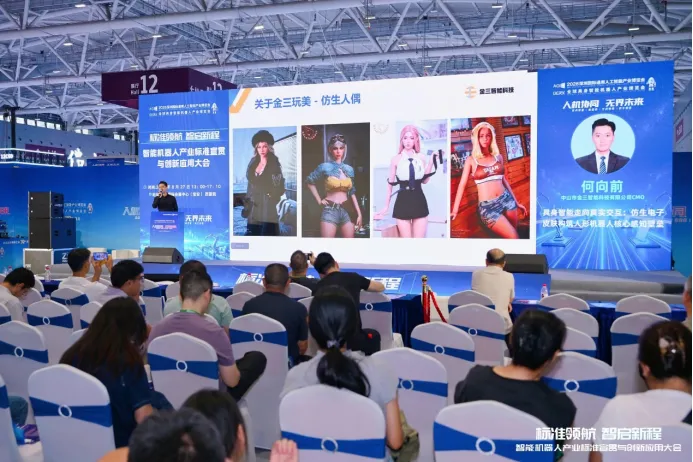
He Xiangqian, Chief Marketing Officer (CMO) at Zhongshan Jinsan Zhineng Technology Co., Ltd, addressed another critical aspect of humanoid robotics: perception. He highlighted the growing importance of bionic electronic skin as a key technology for overcoming perception challenges and enabling robots to interact more effectively with the physical world.
Standards as a Foundation for the Robotics Industry’s Next Stage
From government regulators and national standardization bodies to regional research institutions, leading robotics companies, and real-world industrial applications, the forum brought together perspectives from across the robotics standardization value chain.
Standards are more than technical requirements for research and development, manufacturing, and deployment. They also provide a foundation for collaboration across the industry, help align technological development with practical application needs, and strengthen the competitiveness of the robotics ecosystem.
As intelligent robots continue to move from research and development into industrial and commercial environments, well-established standards will play an increasingly important role in supporting interoperability, improving reliability, and accelerating the industry’s sustainable growth.