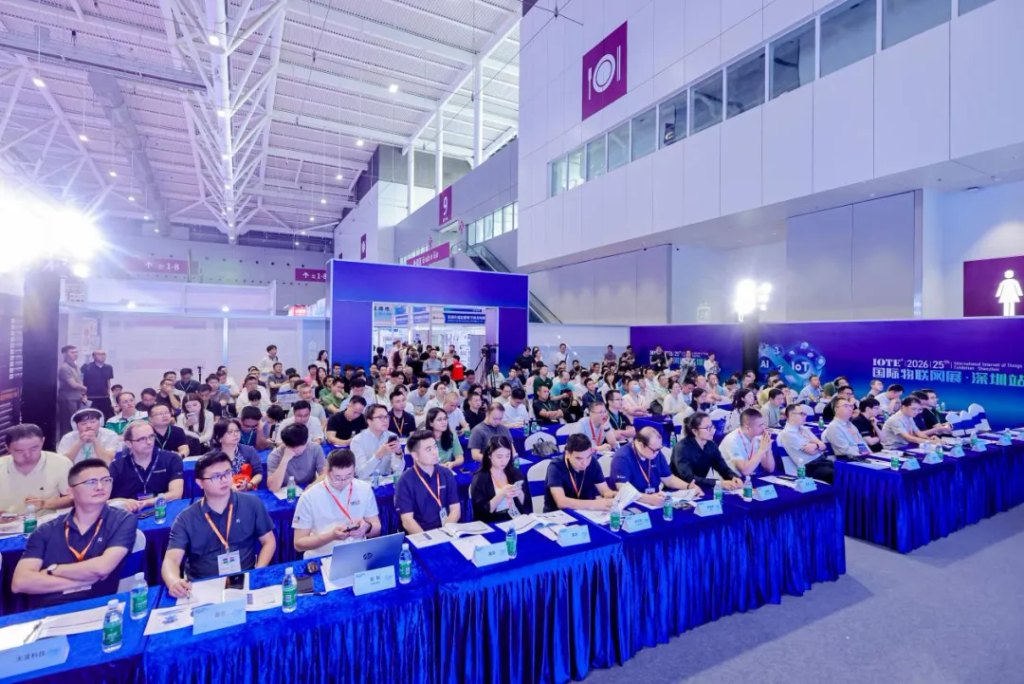
As next-generation edge computing power converges with the emerging ecosystem of large AI models, a deeper conversation about the future of industrial intelligence is taking shape. On August 27, the IOTE 2026 Edge Computing Industry Ecosystem Forum was successfully held in Conference Room 1, Hall 9, at the Shenzhen World Exhibition & Convention Center (Bao’an).
Organized by Vision IoT and supported by leading companies including Axera Semiconductor, Extreme Vision, Telpo Technology, Hikvision, Intellindust, and TWOWIN, the forum brought together leading enterprises, technology experts, and industry professionals from across the edge computing value chain, spanning chips, algorithms, intelligent devices, and industry applications.
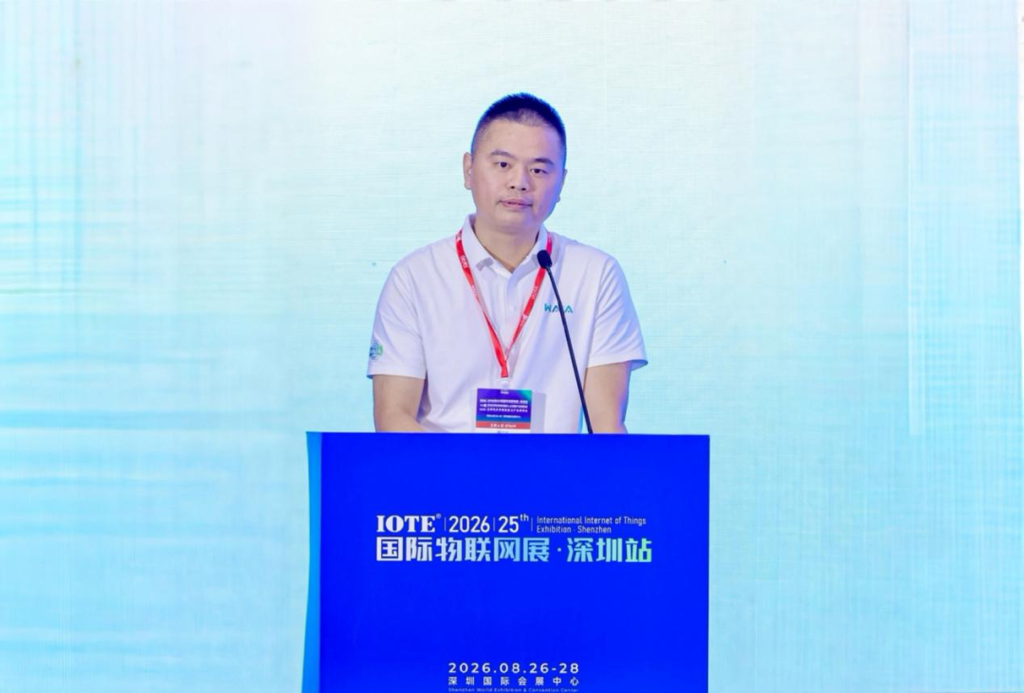
Under the theme “New Computing Power at the Edge, A New Ecosystem for AI Models,” the forum featured a distinguished lineup of speakers, including Liu Jianwei, Co-founder and Vice President of Axera Semiconductor; Deng Fucheng, Algorithm Expert at Extreme Vision; Lin Jicheng, Deputy General Manager of Telpo Technology; Liu Dayu, Software Product Director at Hikvision; Luo Yonghua, Co-founder and Vice President of Product at Intellindust; and Su Shipeng, CEO of TWOWIN.
The speakers explored the technological pathways, practical applications, and ecosystem opportunities emerging from the convergence of edge computing and large AI models, sharing insights into how these technologies can accelerate the industry’s high-quality development.
As a key concurrent event of IOTE 2026, the forum was more than a platform for technical exchange; it was also a showcase of the industry’s growing collaborative ecosystem. From breakthroughs in computing infrastructure for Physical AI and innovations in vision-language models to the further development of established applications in smart retail and industrial safety, as well as emerging opportunities in embodied intelligence, the discussions painted a clear picture of how edge computing can empower industries across the board.
The event highlighted the innovation momentum and growing ecosystem collaboration driving the development of China’s edge computing industry.
The forum opened with remarks by Chen Jianghan, Party Branch Secretary of the Shenzhen Internet of Things Industry Association and Deputy General Manager of Shenzhen Ulink Media Co., Ltd. He welcomed all the speakers and attendees and shared his perspectives on the evolving role of edge computing.
Chen noted that discussions around IoT have traditionally focused on device connectivity, data aggregation, and cloud-based processing. However, with AI moving rapidly into real-world applications, the number of connected devices continuing to grow, and industries such as manufacturing, urban infrastructure, transportation, and energy demanding greater real-time performance, security, and cost efficiency, purely cloud-based architectures are increasingly unable to meet practical industry requirements.
He emphasized that edge computing is no longer a niche technology or an optional addition to existing infrastructure. It has become an essential foundation for the intelligent industry, evolving from a technology that is simply useful into one that is indispensable.
The forum was designed to bring together stakeholders from across the value chain, encouraging the exchange of ideas and technical collaboration to accelerate innovation and bridge the gap between technological development and real-world deployment.
The event then witnessed the official launch of the 2026 Edge Computing Market Research Report.
Eight industry representatives took the stage for the launch ceremony: Chen Jianghan, Party Branch Secretary of the Shenzhen Internet of Things Industry Association and Deputy General Manager of Shenzhen Ulink Media Co., Ltd.; Liu Jianwei of Axera Semiconductor; Deng Fucheng of Extreme Vision; Lin Jicheng of Telpo Technology; Liu Dayu of Hikvision; Luo Yonghua of Intellindust; Su Shipeng of TWOWIN; and Yan Ke, representing Vision IoT.
Together, they marked the official release of the report, which brings together research findings and insights from across the edge computing industry.
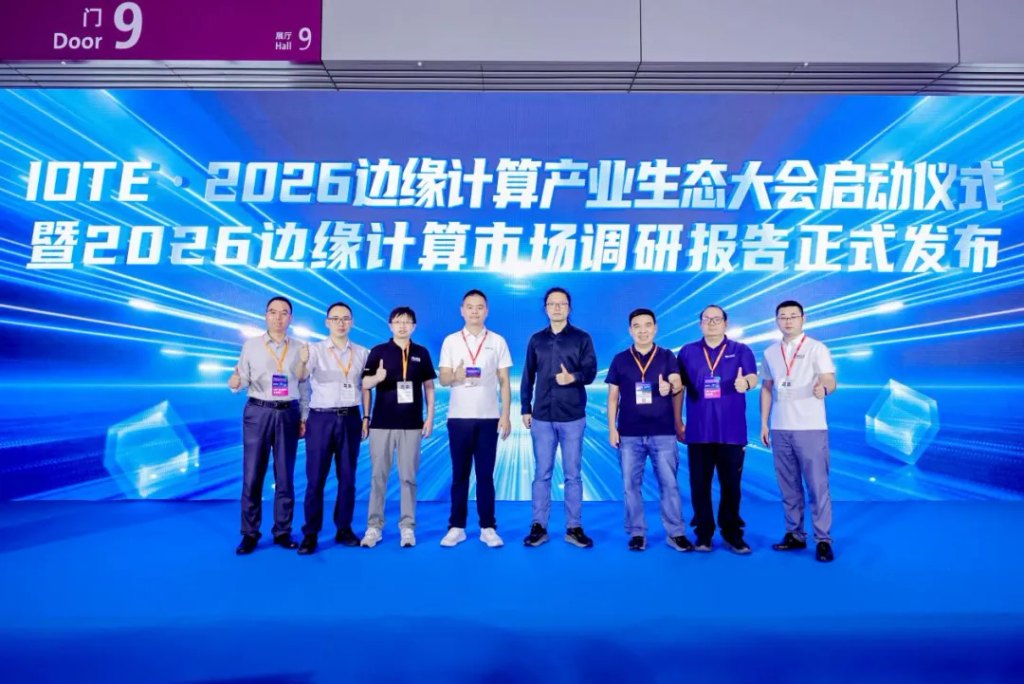
As one of the forum’s key industry outcomes, the 2026 Edge Computing Market Research Report provides a systematic overview of the industry’s current development, technological evolution, and application landscape.
The report covers the entire industry value chain, quantitative market data across key segments, practical deployment cases from leading companies, and forward-looking analysis of emerging industry trends. It is designed to provide businesses across the value chain with valuable market insights, data references, and strategic guidance.
Scan the QR code to download the digital edition of the 2026 Edge Computing Market Research Report.
Following the report launch, the forum moved into its keynote presentation sessions. Six industry leaders took the stage to share their insights and practical experience, exploring the convergence of edge computing and large AI models from different perspectives, including technology implementation, application development, and industry collaboration.
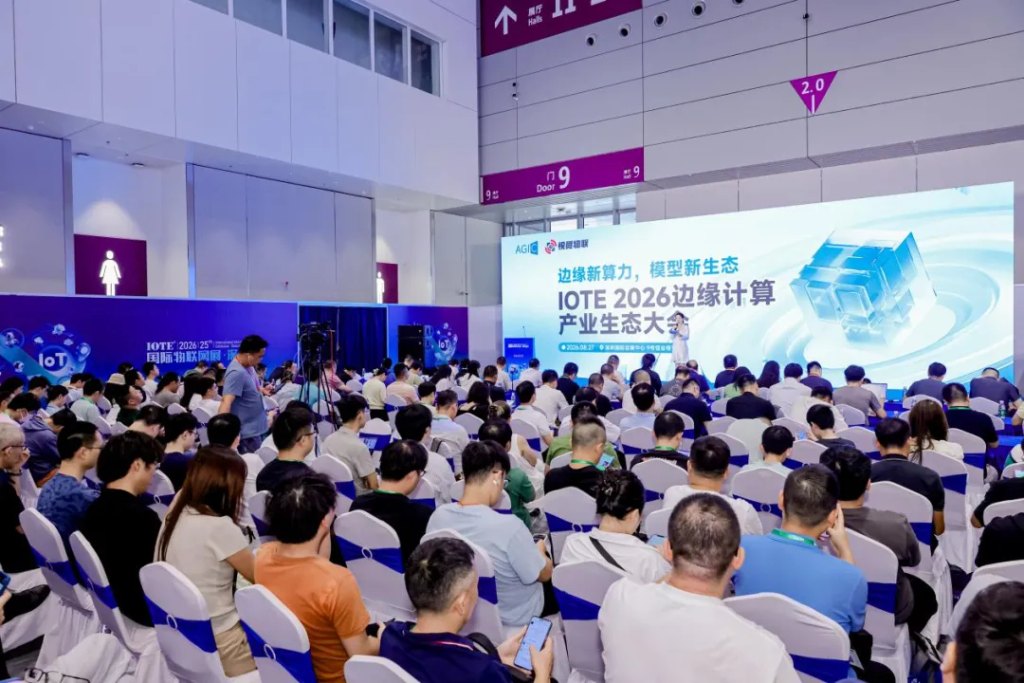
1. Axera Semiconductor | Building the Computing Foundation for Physical AI
Liu Jianwei, Co-founder and Vice President of Axera Semiconductor, opened the keynote sessions with a presentation titled “Axera Semiconductor: Building the Computing Foundation for Physical AI.”
He explained that AI computing is rapidly moving from the cloud toward the physical world. At the same time, its core mission is evolving from generating tokens to enabling intelligent systems to interact with and act upon the physical world.
However, cloud-based computing faces significant cost constraints. These become particularly pronounced in multimodal applications involving large volumes of images, where repeated cloud-based token processing can drive up operating costs and make large-scale commercial deployment less economically viable.
The growing availability of computing power at the device and edge levels is changing this equation. Running large models efficiently on compact hardware is becoming increasingly practical, bringing AI closer to the point of application. AI is gradually evolving into a productivity infrastructure that can be accessed as readily as electricity and water.
To address this shift, Axera has developed a native AI computing architecture. Its Axera Tongyuan native AI processor combines an operator instruction set with a dataflow-based DSA microarchitecture, using hardware-software co-design to deliver up to a 10-fold improvement in AI energy efficiency.
Together with its Axera Zhimu AI-ISP, Pulsar2 toolchain, and supporting SDKs, Axera is building a computing foundation that supports the entire workflow of perception, understanding, and action. Its technology portfolio is designed to support Physical AI applications across edge AI, intelligent vehicles, on-device computing, and robotics, providing high-performance computing capabilities for industrial intelligence.
Liu also revealed that Axera planned to launch computing cards and integrated hardware systems designed for large AI models in the fourth quarter of 2026. According to his presentation, a single device would be capable of efficiently running large models with tens of billions of parameters, supporting a broad range of industrial applications.
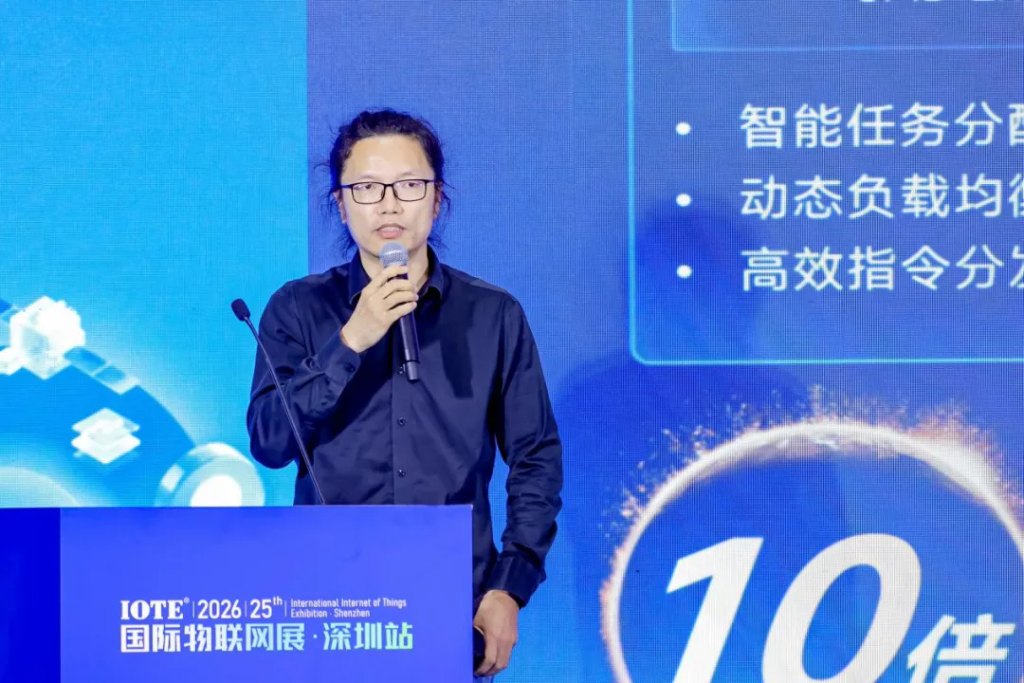
2. Extreme Vision | A New Paradigm for Industrial AI Through Large- and Small-Model Collaboration
Deng Fucheng, Algorithm Expert at Extreme Vision, delivered a presentation titled “Extreme Vision’s Interstellar Vision-Language Model: A New Paradigm for Industrial AI Value Creation Through Large- and Small-Model Collaboration.”
He provided a systematic overview of Extreme Vision’s approach to collaborative applications of large and small models, together with its industry deployment experience.
Deng pointed out that the real gap in industrial AI is not simply the availability of individual small-model algorithms or large models. What the industry needs is an integrated solution that makes both types of models practical, effective, and cost-efficient. Collaboration between large and small models offers a promising way to address this challenge.
Drawing on its experience in deploying AI solutions across industries, as well as a portfolio of more than 1,500 scenario-specific algorithms and its proprietary Interstellar Vision-Language Model, Extreme Vision has introduced an integrated solution designed to maximize the business value of large- and small-model collaboration.
The solution combines more than 1,500 algorithms from the Extreme Vision Algorithm Marketplace with the multimodal capabilities of its Interstellar Vision-Language Model, including Open-Vocabulary Detection (OVD), Referring Expression Comprehension (REC), and Visual Question Answering (VQA).
Through its Jixing Large- and Small-Model Inference Platform, the company enables unified orchestration, flexible scheduling, collaborative execution, and centralized management of different models.
The platform supports three operating modes: independent analysis by large models, collaborative verification between large and small models, and joint intelligent decision-making. This allows industrial AI systems to combine real-time detection with more complex analytical and decision-making capabilities, improving the breadth, depth, and accuracy of AI-powered analysis.
The solution has already been deployed across multiple industry sectors, demonstrating the practical value of collaborative AI architectures in real-world applications.
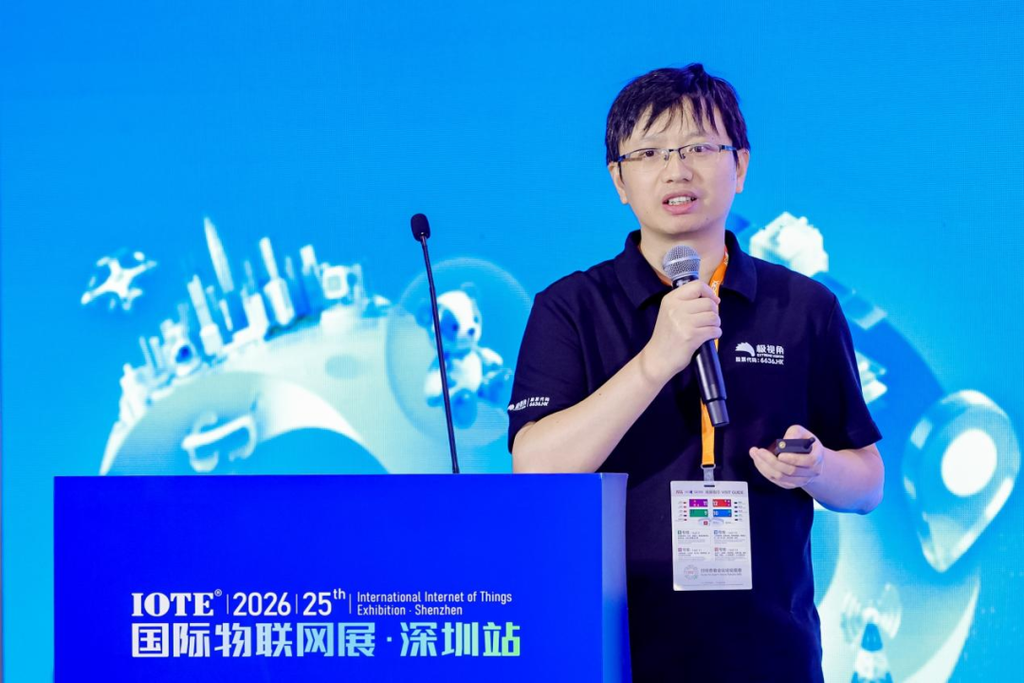
3. Telpo Technology | Exploring Edge AI Applications in Smart Retail
Lin Jicheng, Deputy General Manager of Telpo Technology, focused on practical deployment in his presentation, “Exploring the Applications of AI Edge Computing in Smart Retail.”
He examined the role of edge computing in the intelligent transformation of the retail industry, highlighting its practical value and the pathways toward large-scale implementation.
Lin noted that AI is increasingly becoming a general-purpose productivity infrastructure across industries, creating significant opportunities for smart retail. With advantages such as low latency, reduced bandwidth consumption, enhanced data privacy, offline operation, and cloud-edge collaboration, edge computing provides a critical foundation for moving AI applications in retail from pilot projects to large-scale deployment.
As an experienced provider of AI hardware solutions, Telpo has developed a full-stack service framework covering algorithms, hardware, and applications. Its differentiated capabilities are built around reusable algorithms, modular hardware configurations, and customizable application solutions.
At the algorithm level, Telpo’s algorithm marketplace offers capabilities covering more than 80 vertical application scenarios, with flexible deployment across different computing platforms.
At the hardware level, the company has established a portfolio of intelligent devices spanning computing performance from 0.5 TOPS to 300 TOPS. Its products include edge computing boxes, AI recognition terminals, AI-enabled integrated weighing scales, and AI cash registers.
At the application level, Telpo provides end-to-end intelligent solutions for a diverse range of retail scenarios, including bakeries, food recognition, supermarket loss prevention, automotive 4S dealerships, and lottery outlets.
Through this full-stack approach, Telpo provides reusable end-to-end support for edge AI deployment in smart retail, helping more businesses achieve intelligent upgrades with lower costs and greater operational efficiency.
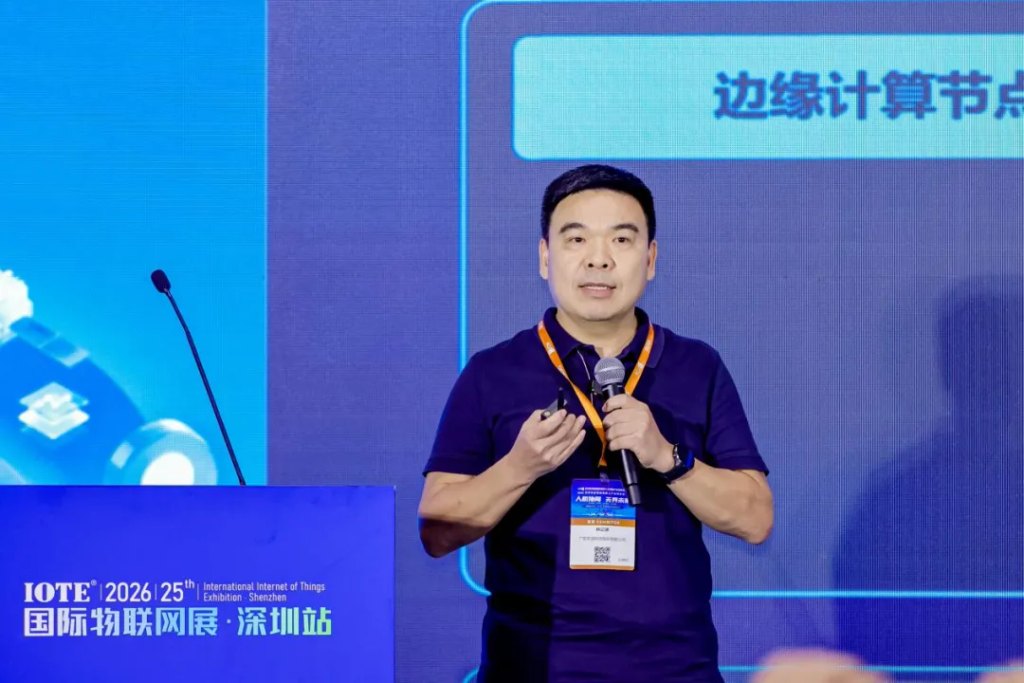
4. Hikvision | From Seeing to Understanding: AI for Industrial Safety
Liu Dayu, Software Product Director at Hikvision, delivered a presentation titled “Hikvision Guanlan Large Model + Active Vision: Moving Industrial Safety from Seeing to Understanding.”
He observed that traditional security systems have largely addressed the basic challenge of seeing what is happening. However, complex industrial environments—including chemicals, metallurgy, and power generation—require systems that can go further and understand potential risks.
Industrial safety management continues to face challenges such as incomplete hazard identification, extensive inspection requirements, and difficulties supervising specialized operations. Manual inspections and standalone small-model solutions often have limitations when applied to complex industrial scenarios.
To address these challenges, Hikvision has developed a multidimensional intelligent perception system built on its Guanlan Large Model.
The system integrates a range of sensing capabilities, including visible-light imaging, active vision, stereo vision, acoustic arrays, gas imaging, and fiber-optic temperature measurement. Together, these capabilities provide a more comprehensive understanding of people, equipment, and the surrounding environment.
This enables the system to identify unsafe human behavior, unsafe equipment conditions, and environmental risks, helping industrial safety management move beyond image capture toward deeper risk understanding.
Hikvision has also packaged these capabilities into ready-to-deploy algorithm solutions, connecting hazard detection, corrective action, and data visualization into a closed-loop workflow. By opening its business engine to ecosystem partners, the company aims to build comprehensive intelligent industrial safety solutions and help enterprises shift from responding to incidents after they occur to identifying and managing risks in advance.
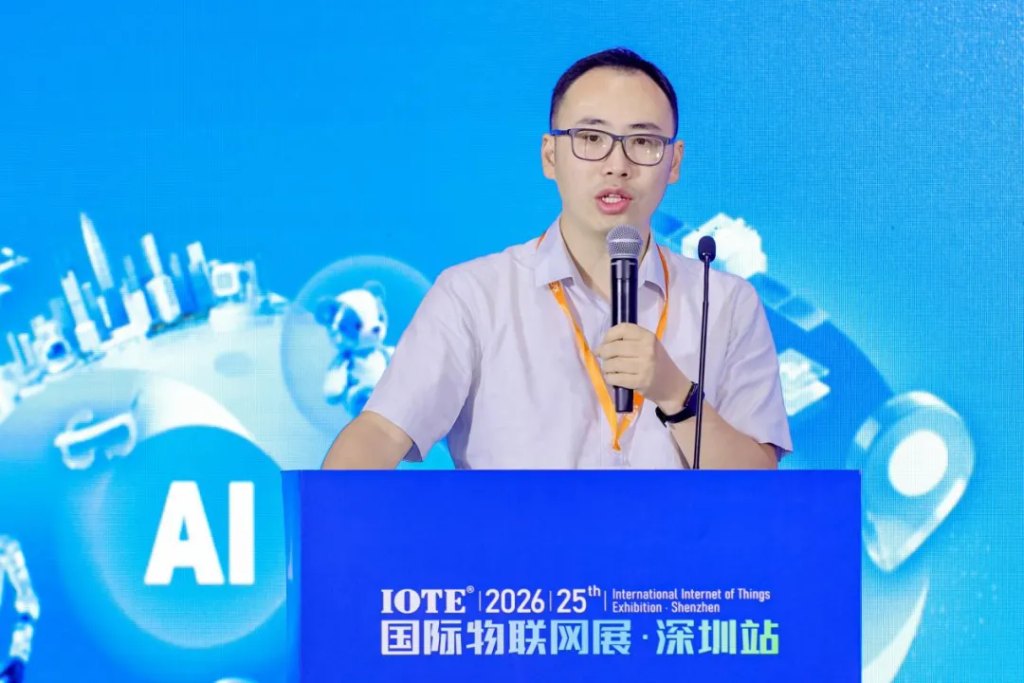
5. Intellindust | Teaching Computer Vision Models with Large Models: Faster, Simpler AI Deployment
Luo Yonghua, Co-founder and Vice President of Product at INTELLINDUST INFORMATION TECHNOLOGY (SHENZHEN) CO., LTD, addressed the challenges of deploying AI in fragmented, long-tail application scenarios.
His presentation, “Large Models Teaching Small CV Models: From Training to Deployment with Zero Code, Faster Delivery, and Lower Costs,” explored how large models can help overcome the final-mile challenges of visual AI deployment.
In the IoT era, visual AI is needed across an increasingly diverse range of applications. However, deployment in long-tail scenarios is often constrained by insufficient algorithm adaptability, a shortage of specialized AI talent, and lengthy customization and implementation cycles. These challenges continue to limit the large-scale adoption of AI.
To address this, Intellindust has introduced an innovative approach in which large models guide the training of smaller computer vision models, supported by its AutoML automated AI model training platform.
The platform follows a standardized four-step workflow: data input, annotation, model training, and deployment. With a zero-code process, business users can quickly get started, significantly reducing development barriers and deployment costs.
The approach creates a complete technical workflow: large models provide guidance, AutoML handles model training, and lightweight AI models run natively at the edge. This enables data feedback and continuous model iteration directly at the point of application.
Luo also shared two real-world deployment cases: oversized cargo detection and exposed-soil covering detection. Through a combination of zero-training cold starts and fine-tuning with small datasets, the platform can support model training within minutes and achieve commercial deployment standards.
By making AI model development and deployment faster, simpler, and more cost-effective, Intellindust is offering a new engineering approach to making AI capabilities more accessible across industries.
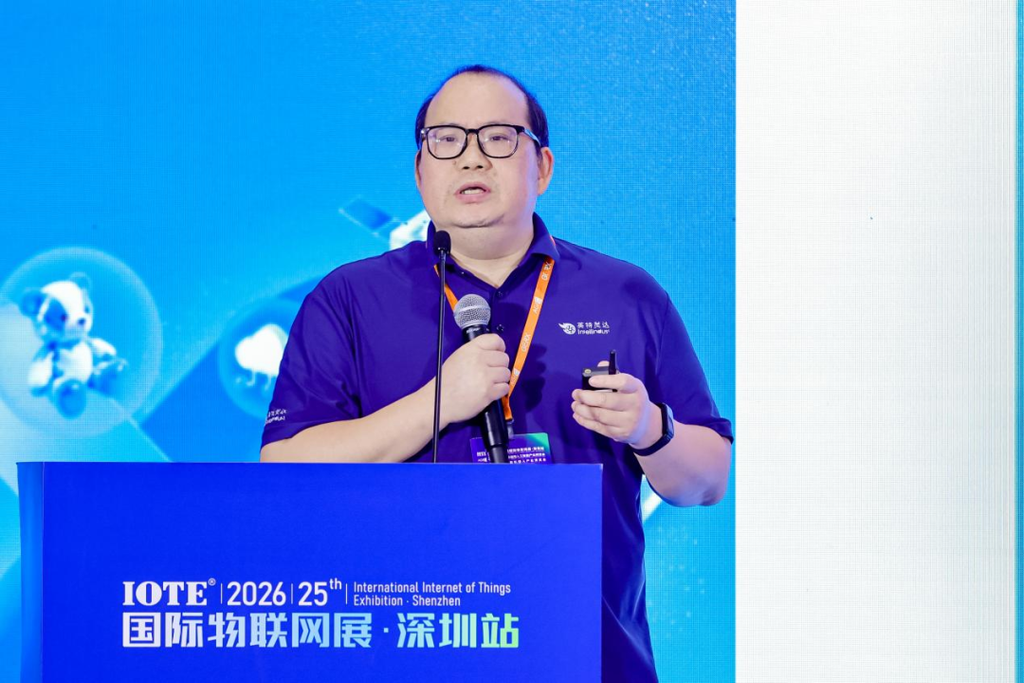
6. TWOWIN | Opportunities and Challenges for Edge Computing in the Era of Embodied Intelligence
Su Shipeng, CEO of TWOWIN, explored the role of edge computing in the development of embodied intelligence in his presentation, “Opportunities and Challenges for Edge Computing in the Era of Embodied Intelligence.”
He outlined AI’s evolution from computational intelligence to cognitive intelligence and, increasingly, embodied intelligence. By giving AI a physical form, embodied intelligence enables systems to perceive and act in the real world through closed-loop interaction. This capability is expected to become a key driver of complex task execution and industrial transformation.
However, embodied intelligence requires extremely fast response times, with latency requirements reaching the 10-millisecond level. Edge computing—with its low latency, ability to operate without a network connection, enhanced data privacy, and reduced bandwidth requirements—provides a critical computing foundation for addressing these challenges.
According to industry forecasts cited in the presentation, the global edge computing market is expected to exceed US$120 billion by 2030, with China accounting for more than 60% of the market. Embodied intelligence robots and on-device AI chips are also expected to experience significant growth.
TWOWIN is positioning itself to capture these opportunities. Built on the NVIDIA Jetson platform, its products, including the T1508, deliver computing performance of up to 2,000 TOPS. The company is also developing specialized computing solutions designed to serve as the “brains” of humanoid robots.
Alongside its hardware development, TWOWIN is evolving from a computing infrastructure manufacturer into a solutions provider, offering integrated hardware and software solutions for smart security, intelligent transportation, embodied intelligence, and other applications.
The company is also strengthening strategic cooperation with leading chip manufacturers to build a diversified and controllable computing ecosystem.
Su emphasized that the future of embodied intelligence depends on an open, collaborative, and mutually supportive industry ecosystem. Only by breaking down barriers between technologies, application scenarios, and commercial deployment can the industry bring intelligent systems into the physical world at scale.
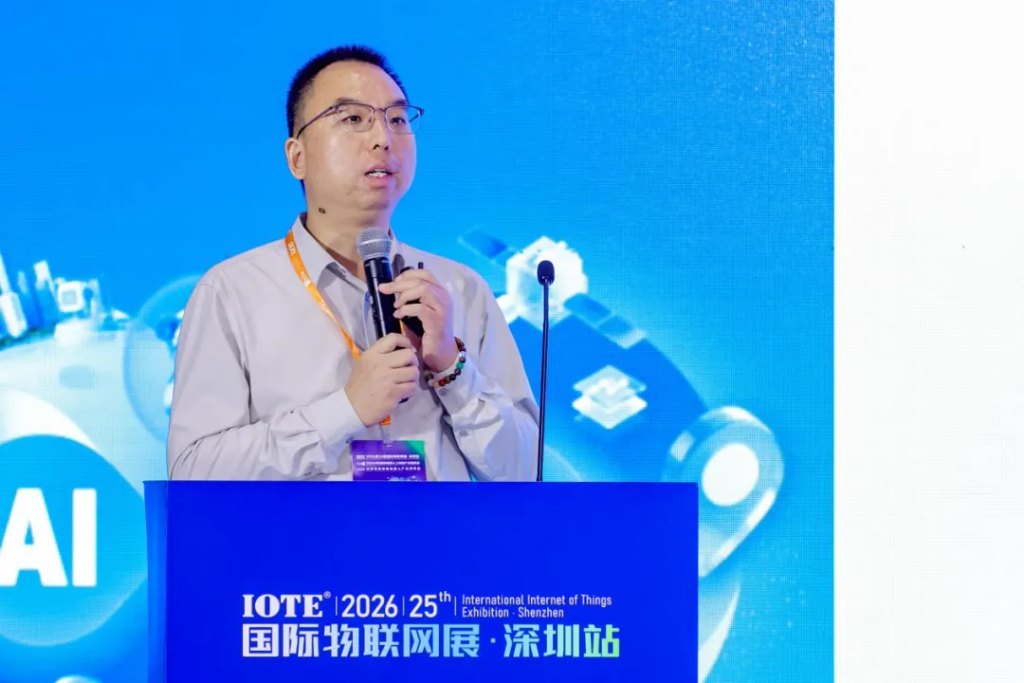
The successful conclusion of the IOTE 2026 Shenzhen Edge Computing Industry Ecosystem Forum, themed “New Computing Power at the Edge, A New Ecosystem for AI Models,” marked more than a showcase of technological achievements. It also reflected a growing industry consensus: edge computing has become a critical link in translating the capabilities of AI models into real-world value.
As the era of Physical AI gathers momentum, edge computing power will increasingly converge with industry-specific knowledge, creating new business models, applications, and opportunities while providing fresh momentum for digital and intelligent transformation across industries.
Looking ahead, continued reductions in computing costs, improvements in model capabilities, and the expansion of application scenarios will unlock greater value for edge computing in smart cities, smart retail, embodied intelligence, and beyond.
Vision IoT and partners across the industry will continue working together, using new computing power at the edge as the driving force and a new ecosystem for AI models as the vision, to advance the edge computing industry toward higher-quality growth, broader adoption, and deeper integration.