
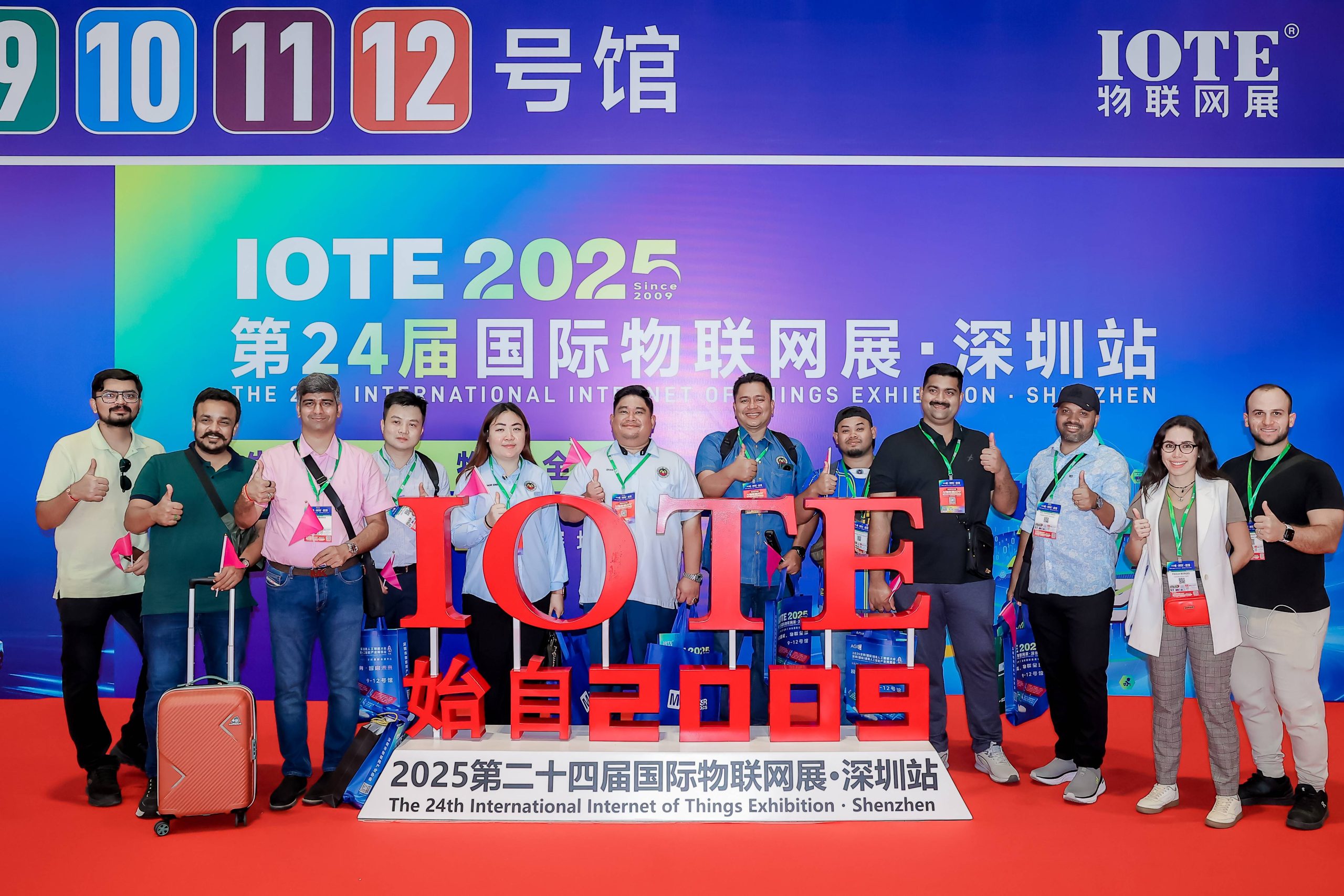
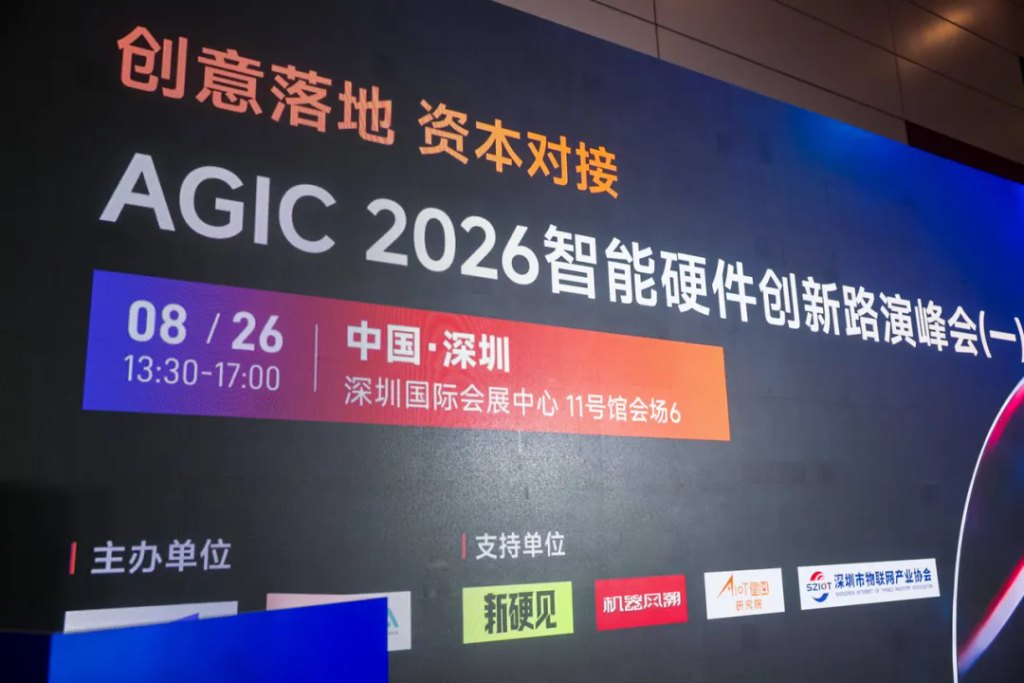
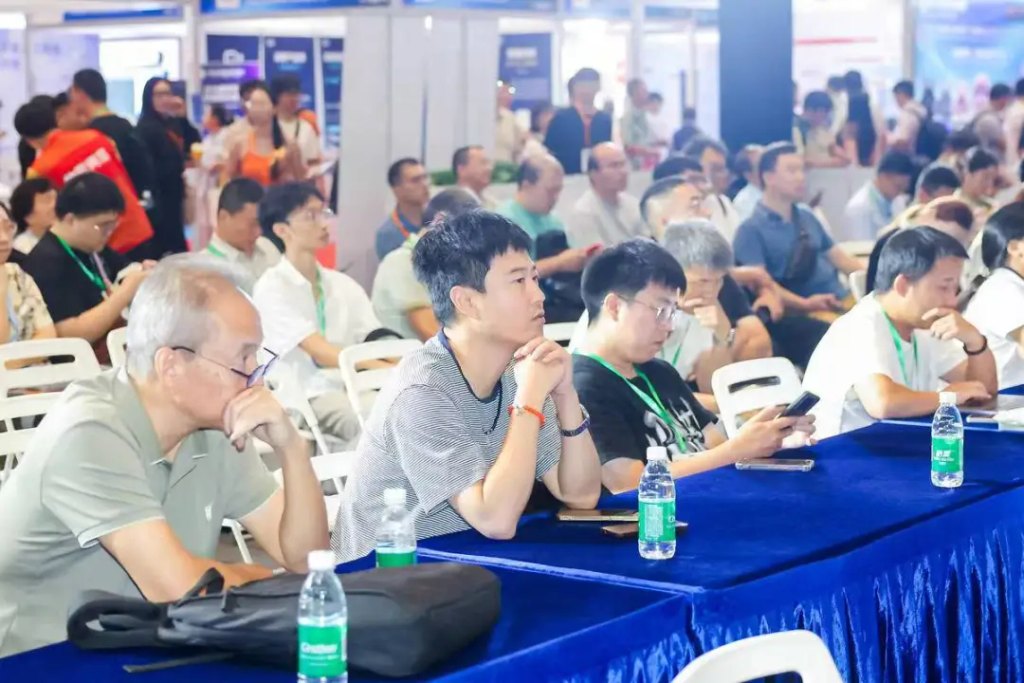
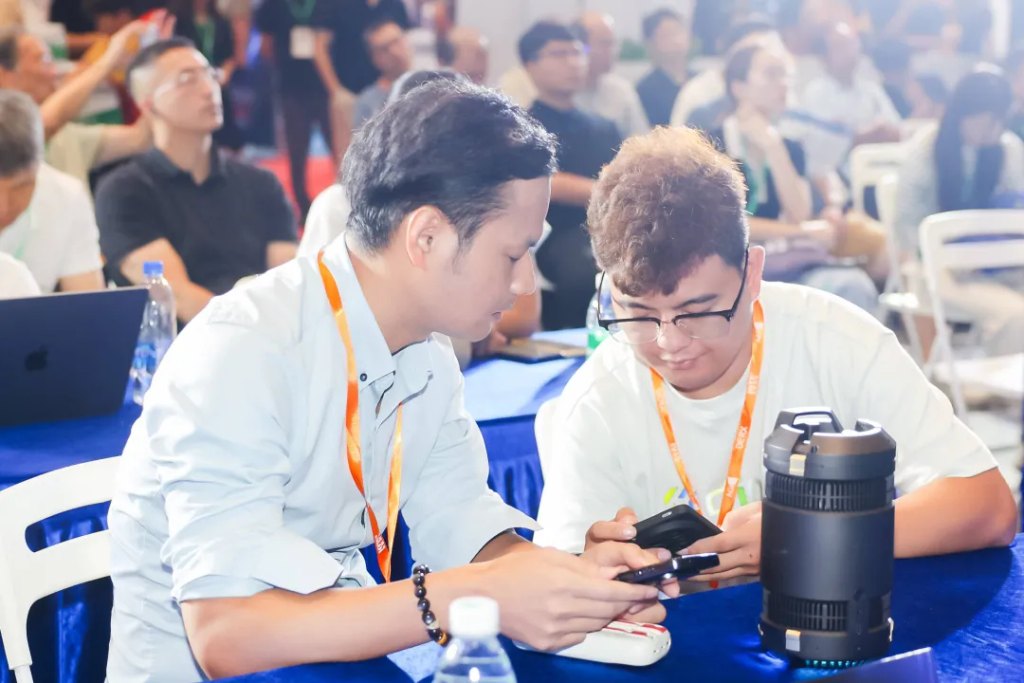
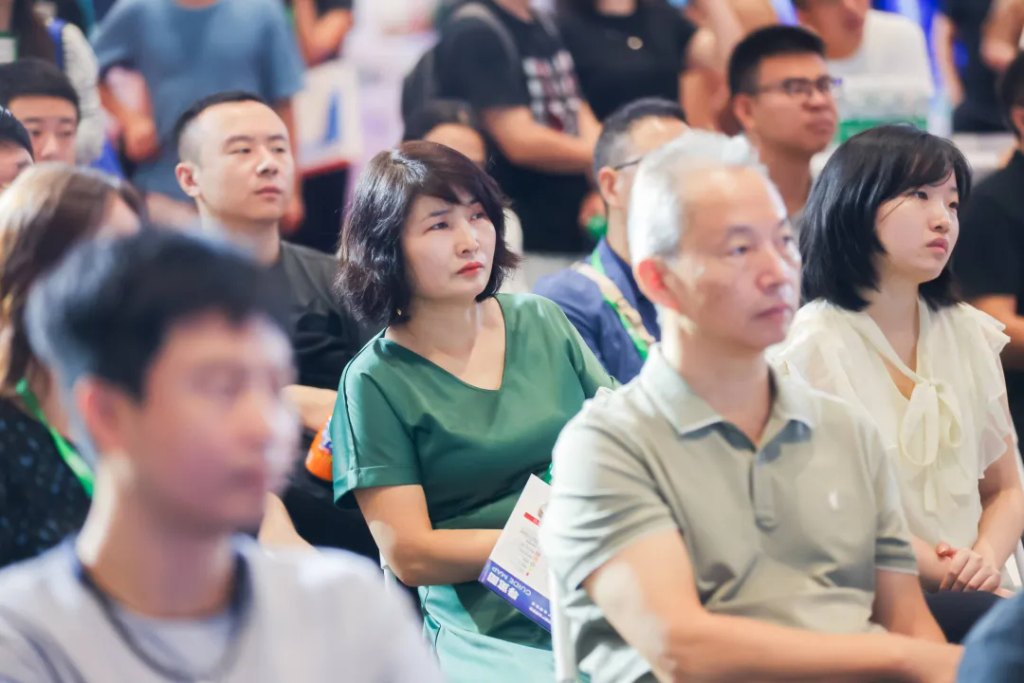
From the afternoon of August 26 through the morning of August 27, the AGIC 2026 Smart Hardware Innovation Roadshow Forum, themed “From Ideas to Reality · Connecting with Capital,” was held at the Shenzhen World Exhibition & Convention Center (Bao’an).
Over the two-day event, innovative projects spanning AI hardware, intelligent terminals, embodied intelligence, AI toys, healthcare, intelligent connectivity, computing infrastructure, and other emerging fields took center stage. Speakers from industry, investment, and technology communities shared their perspectives on emerging trends, application scenarios, and new opportunities created by the convergence of AI and hardware.
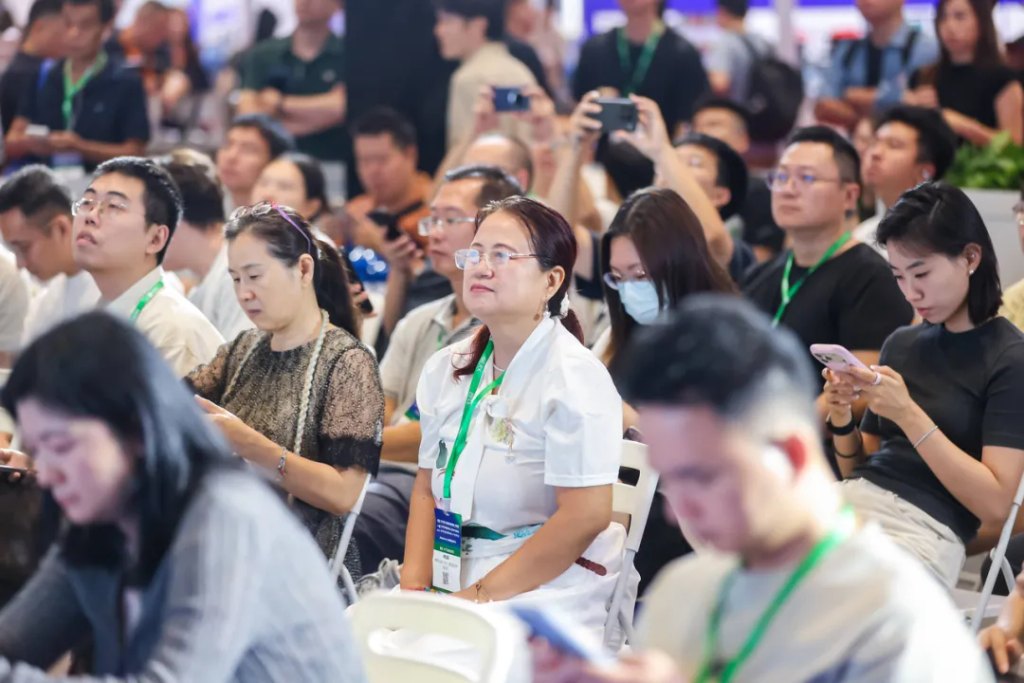
The event attracted more than 200 participants, including representatives from more than 30 investment institutions. Representatives from Shenzhen Investment Holdings Capital Co., Ltd., Shenzhen Leaguer Huarui Equity Investment Fund Management Co., Ltd., Ruiye Digital Finance, Zhiyi Capital, Linear Capital, Bay Valley Ventures, Yuanmeng Ventures, Mingde Investment, ThunderSoft Strategic Investment, Oriental Fortune Capital, and High-Tech Investment attended the event and engaged in discussions and matchmaking sessions with project teams.
The event was hosted by AGIC and the World AIoT Innovation Alliance (WAIA), with support from Machine Trend, New-Hardware Insight, AIoT XingTu Research Institute, and the Shenzhen Internet of Things Industry Association. The official AGIC event materials also identify WAIA and these organizations as organizers/supporting organizations.
For entrepreneurs, AI is creating new opportunities to redefine hardware products. For investors, however, the challenge is how to identify teams with genuine product strength, supply-chain capabilities, and commercialization potential from the rapidly expanding pool of AI hardware projects.
“From Ideas to Reality · Connecting with Capital” was designed to serve precisely as that bridge—connecting innovative ideas with capital, industrial resources, supply chains, and market opportunities.
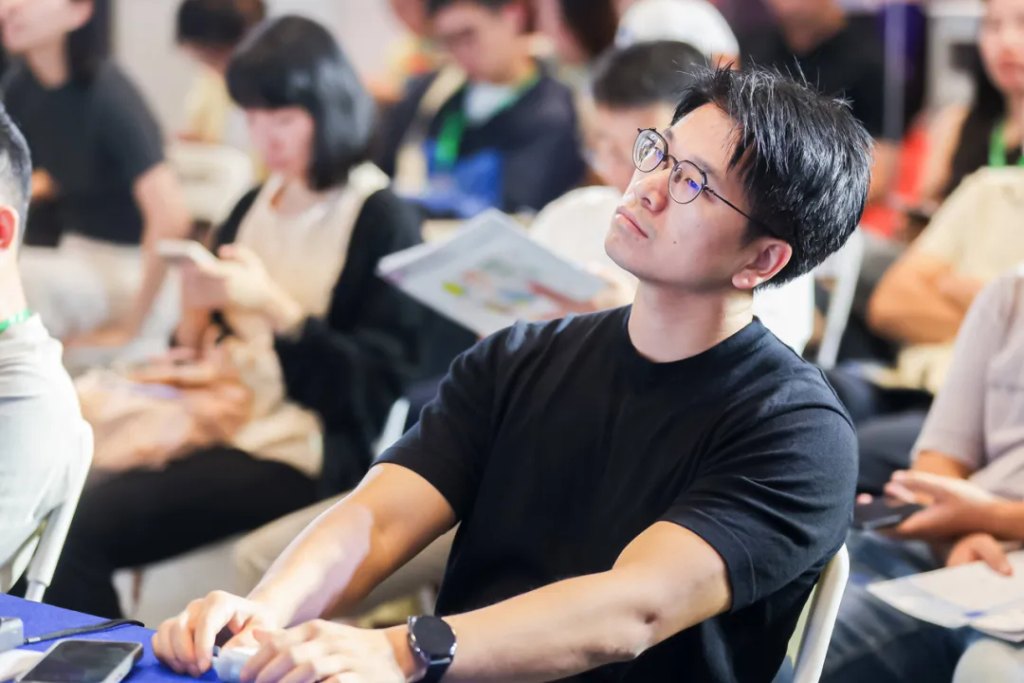
August 26 | Event Highlights
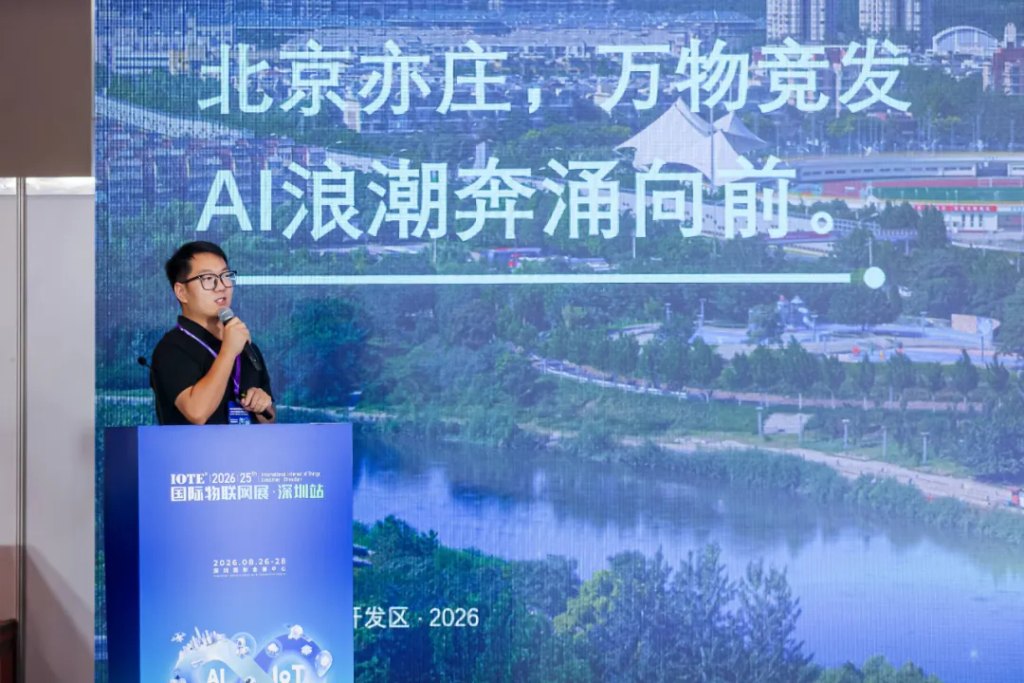
Presentation 1 | From Pengcheng to Yicheng: A Two-Way Journey for AI
Speaker: Huang Nan, Investment Promotion Manager, IT Industry Bureau of Beijing E-Town
Huang Nan explained that Beijing E-Town, one of Beijing’s major hubs for advanced and sophisticated industries and a national-level economic and technological development zone, has developed four major industrial pillars: advanced automobiles, biomedicine, robotics, and next-generation information technology. The area is also expanding into emerging industries including 6G, quantum computing, and cloud computing, creating a relatively complete industrial ecosystem for AI companies.
In artificial intelligence, E-Town is advancing the development of a “city-wide AI ecosystem,” building an integrated industrial environment around computing power, data, models, and applications.
The area has already attracted a large number of AI companies and established supporting infrastructure for areas such as foundation-model evaluation, international open-source communities, and software adaptation.
For AI hardware companies, Huang emphasized that E-Town’s advantage lies not only in its industrial supply chain, but also in its willingness to open up real-world application scenarios.
E-Town positions itself as an “AI testing ground.” More than 100 AI application scenarios have already been opened across transportation, healthcare, manufacturing, energy, government services, education, elderly care, and other sectors. The region is also exploring innovative applications such as robot-enabled elderly-care communities, providing companies with opportunities for product testing, scenario validation, and commercial deployment.
At the same time, E-Town provides support for entrepreneurs across computing power, models, data, talent, and startup space. Measures include subsidies for computing resources and model usage, support for early-stage startups, and talent incentives.
According to its development plans, E-Town will continue to accelerate the concentration of benchmark application scenarios, industry-specific foundation models, and AI companies through the end of 2027.
For AI startups looking for industrial resources, application scenarios, and room to grow, E-Town aims to offer more than policy incentives—it is building an integrated ecosystem spanning technology development, scenario validation, and industrial commercialization.
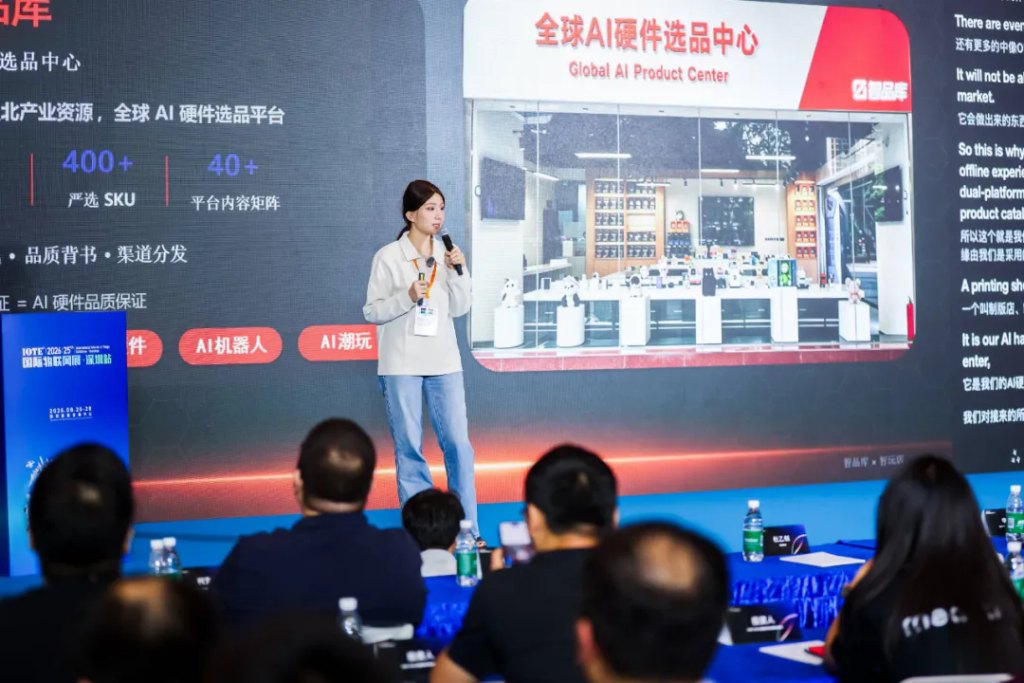
Presentation 2 | Global AI Hardware Product Selection Center
Speaker: Jin Lin, CMO, Shenzhen Zhipinku Technology Co., Ltd.
Jin Lin noted that AI hardware tends to be more experience-driven than traditional consumer electronics. Before purchasing, consumers often lack a clear understanding of how a product works or what practical value it can deliver, which can result in relatively high return rates.
Physical experience stores can address this gap by allowing consumers to see, touch, and experience products before making a purchase.
To address this challenge, Zhipinku has developed a dual-platform model combining Zhipinku and Zhiwan Store.
The former focuses on product selection and product showcases for AI hardware suppliers, while the latter brings selected products into physical retail stores.
The platform currently works with approximately 200 brands and covers hundreds of SKUs across categories including AI toys, AI wearables, AI healthcare products, AI robots, and AI lifestyle products.
Jin noted that Shenzhen’s Huaqiangbei district is home to a large number of small and medium-sized AI hardware startups and supply-chain resources. However, many new products lack effective offline channels for demonstration and market validation.
Zhipinku aims to connect entrepreneurs, supply-chain partners, and consumers through a combination of physical product experiences, online sales, and franchise operations.
The company currently operates four physical stores and plans to expand its offline network, giving more emerging AI hardware products a pathway from development to market.
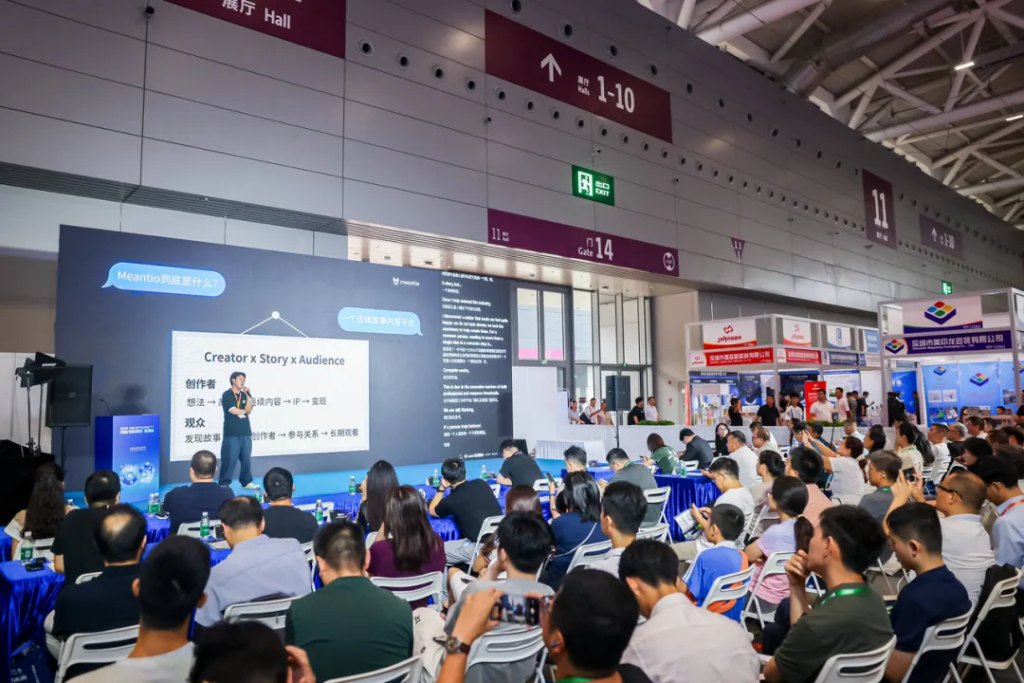
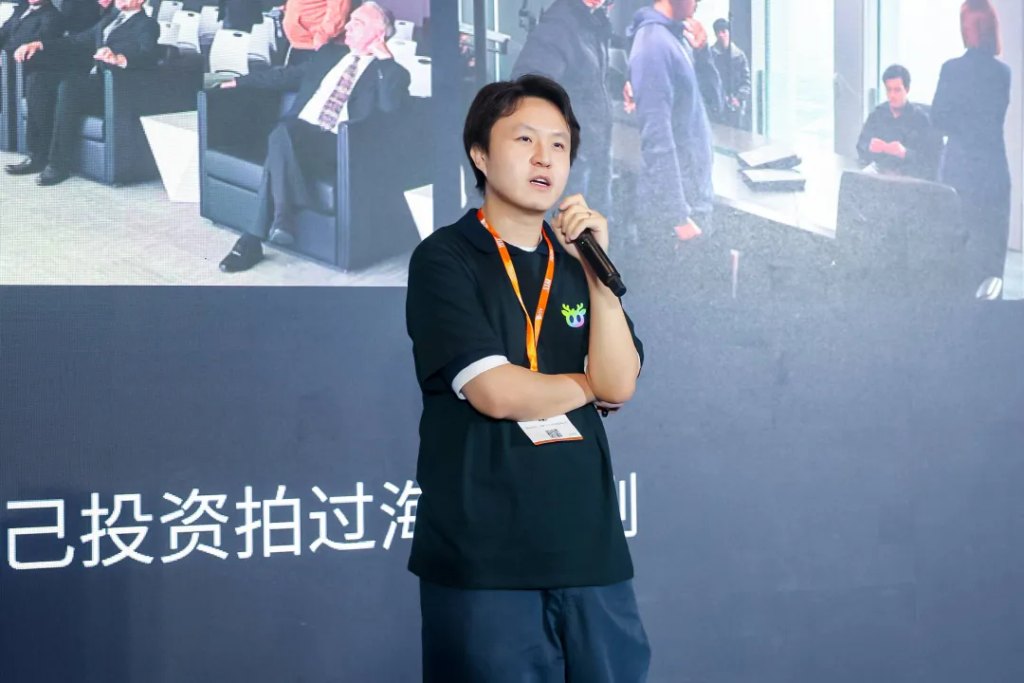
Presentation 3 | How Advances in AI Are Transforming Video and Social Media
Speaker: Li Rutian, General Manager, Meantio LLC
Li Rutian focused on the convergence of AI and video content creation.
He noted that the traditional film and television industry has relatively high professional and resource barriers. Many people have stories they want to tell and ideas they want to express, but lack the resources and skills needed to turn those ideas into complete works.
As AI continues to reduce the cost and complexity of content production, this situation is beginning to change.
Based on this opportunity, the team developed Meantio, a continuous-story content platform designed to help creators gradually develop fragmented ideas into serialized stories and eventually build their own intellectual property and commercial value.
Rather than simply pursuing higher volumes of short-form content, the platform aims to help users transition from content consumers to story creators, while establishing longer-term relationships between creators and audiences.
Li emphasized that AI should not replace creators. Instead, it should serve as an amplifier of creative capabilities.
From scripts and storyboards to editing and post-production, AI can lower the technical barrier to content creation, while the underlying story should continue to come from human ideas, experiences, and emotions.
The first version of Meantio has already launched in North America. The team is continuing to strengthen its AIGC creation workflow while exploring whether creators are willing to use AI to transform ideas into long-term content, and whether more enduring relationships can be built between people and the stories they create.
The official AGIC exhibitor profile identifies the company as Meantio LLC and notes that Meantio has entered the North American market.
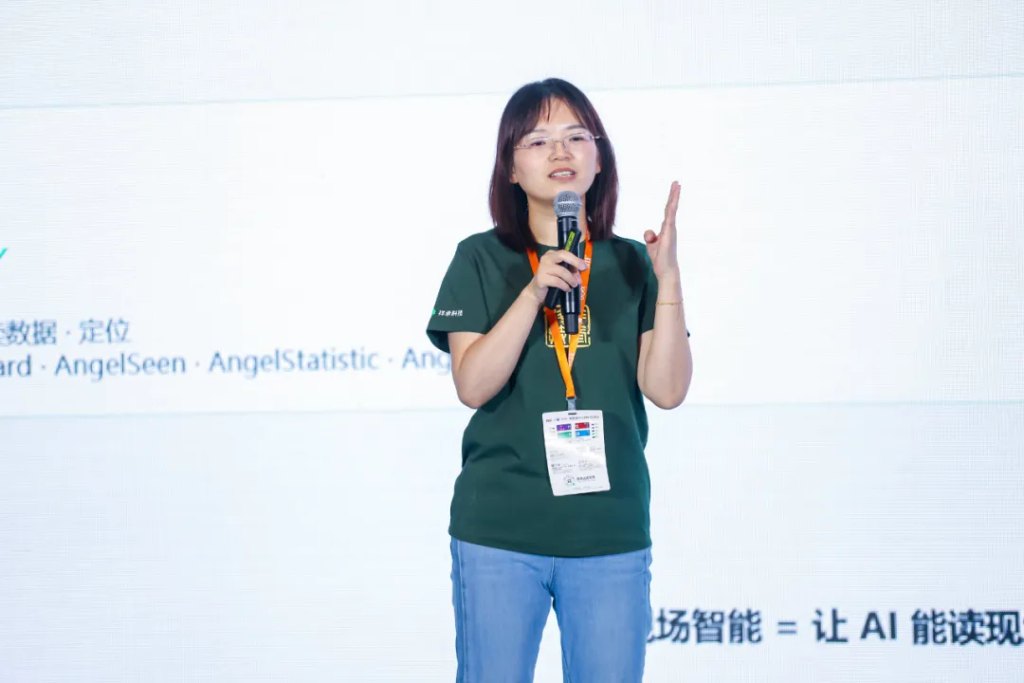
Presentation 4 | Field Intelligence: Bringing AI into the Real World
Speaker: Yin Jieyi, Head of AI Ecosystem Commercialization, XC TECH
Yin Jieyi observed that most AI agents today still operate primarily on computers and smartphones, serving office-based scenarios.
Yet warehouses, retail stores, restaurants, healthcare facilities, educational institutions, and many other frontline environments also need AI—but often face a fundamental problem: AI cannot see, hear, or act quickly enough in the physical environment.
Xiangcheng Technology aims to bring AI into these real-world spaces and move intelligence from the digital environment into physical operations.
To achieve this, the company has developed an integrated hardware-and-software solution for Field Intelligence.
Using cameras, voice interfaces, edge computing boxes, and other hardware, the system enables AI to perceive its surroundings. It then combines cloud-based foundation models with domain-specific knowledge to make decisions and coordinate people, equipment, and software to execute tasks.
For example, in retail environments, AI can identify abnormal situations in real time and notify staff. In warehouses, AI agents can coordinate workers, goods, and AGV robots to improve operational efficiency.
Yin emphasized that field intelligence cannot rely entirely on cloud-based foundation models.
Unstable network conditions, privacy requirements, and the long-term cost of token consumption make edge computing and model distillation increasingly important.
By distilling general-purpose foundation models into smaller models designed for specific business scenarios, AI can become more industry-aware while operating at a lower cost.
Xiangcheng Technology currently serves nearly 500 customers and continues to expand deployments across retail, logistics, and other sectors.
In Yin’s view, the future value of AI agents will not be defined simply by their ability to “think,” but by their ability to enter real-world environments, understand what is happening, and take action.
Xiangcheng Technology’s official website describes its Field Intelligence architecture as an integrated system combining physical perception, semantic understanding, and intelligent dispatch.
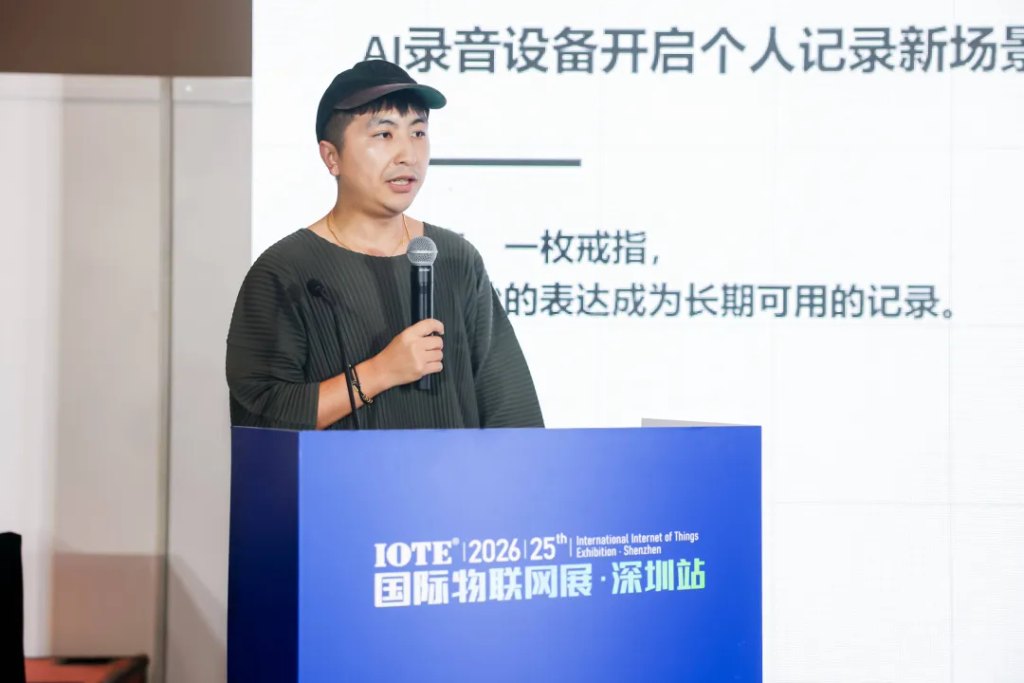
Presentation 5 | Capture the Moment · Remember Everything: AI Recording Devices Open a New Era of Personal Memory
Speaker: Kevin Du, Product Lead, Bairong AI Inc.
Kevin shared the team’s exploration of new forms of AI-powered recording devices.
In his view, traditional AI recording products have become increasingly capable of handling long-form recordings such as meetings. Yet everyday life contains a much larger number of fragmented, short, and frequent moments that people may want to capture—including sudden ideas, temporary tasks, purchase records, and exercise activities.
The team’s concept of “Flash Notes” is designed to let users record information without opening a smartphone or searching for an app. Instead, users can simply speak naturally for a few seconds and have the information captured.
To support different scenarios, the team has developed two hardware formats: a recording card and an AI ring.
Using microphones, bone-conduction technology, Bluetooth, Wi-Fi, and other technologies, the devices capture and transmit audio. Speech recognition, speaker identification, semantic understanding, and agent orchestration then transform natural speech into structured information such as schedules, to-do items, contacts, and ideas.
The goal is to move from “saying something” to creating an actionable personal asset.
Kevin believes that the real value lies not in individual records, but in the personal data assets created through continuous accumulation.
As the amount of recorded information grows, AI can help users conduct periodic reviews and identify trends across areas such as exercise, reading, and work.
Over time, the system could evolve from a “trusted memory” into a proactive personal assistant.
The team hopes this approach will allow AI to gradually understand a user’s lifestyle and habits and eventually become a true “second brain.”
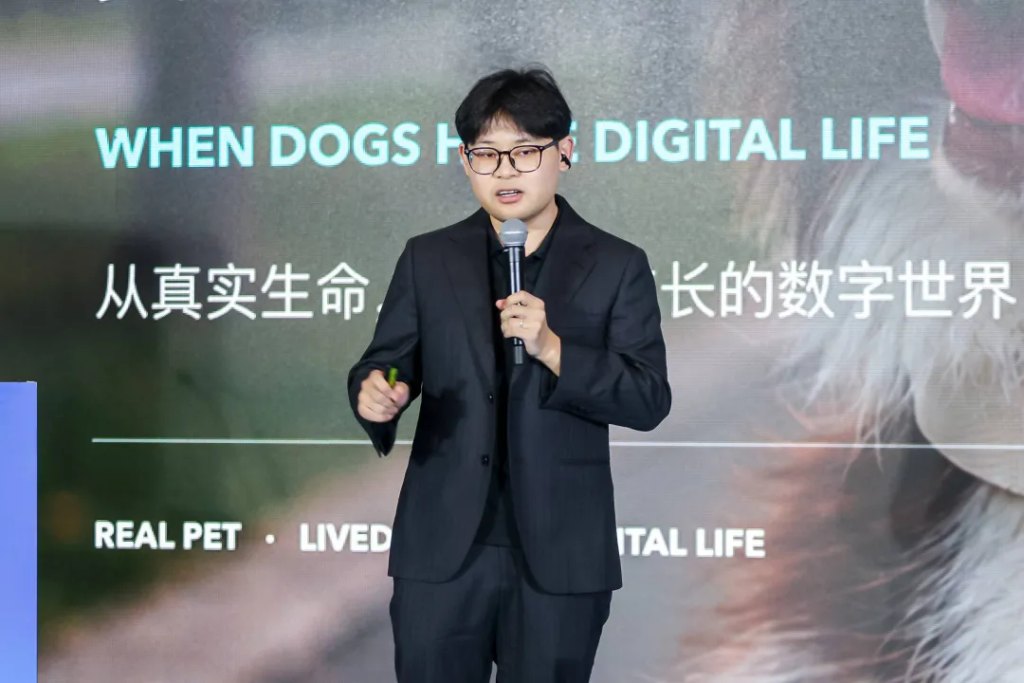
Presentation 6 | When a Dog Has a Digital Life
Speaker: Cisco Li, Marketing Director, MOSON FUTURE TECH LIMITED
Cisco Li noted that most AI pet hardware currently focuses on functions such as location tracking, geofencing, and behavior monitoring.
However, a pet’s individual life story—including its growth, emotions, social relationships, and shared memories with its owner—still exists largely as fragmented photos, videos, medical records, and other forms of data.
The team aims to connect these scattered pieces through AI hardware and software, enabling AI to understand “this particular dog,” rather than simply understanding dogs as a species.
The company’s AI pet collar serves as the primary data entry point. It captures information related to a pet’s behavior, activities, and social interactions, while owners can supplement the system with photos, videos, and contextual information.
Over time, this data can be used to build a unique digital identity, memory, relationship network, and growth trajectory for each individual pet.
Unlike conventional pet-tracking devices, the current product does not include GPS, cameras, or audio recording. Instead, it focuses on serving as an “emotional hub” and a vessel for a pet’s digital life.
Cisco believes that the value of digital life does not come from generating a seemingly complete AI avatar on day one. It emerges through continuous accumulation and growth.
After one, five, or even ten years, the accumulation of data, memories, and social relationships could create a genuinely unique digital life—one that may continue to preserve the bond between an owner and a pet even after the pet is gone.
The team also hopes to build a virtual ecosystem around digital pet identities through communities, content, subscriptions, and consumer services, creating new ways for people and their pets to remain connected.
The official AGIC exhibitor profile lists the company’s English name as MOSON FUTURE TECH LIMITED.
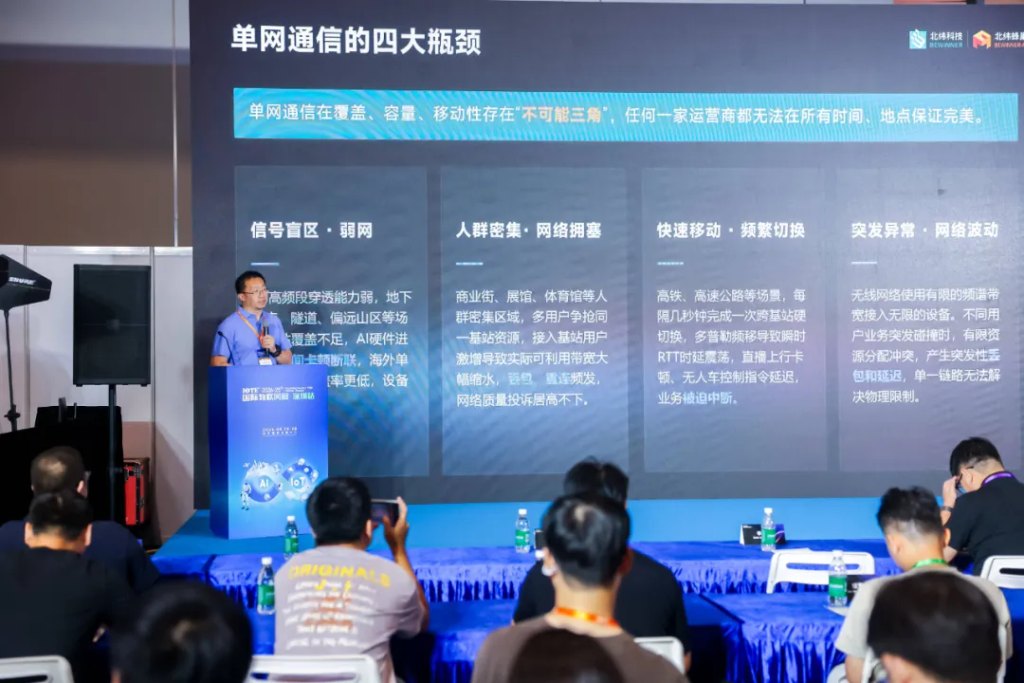
Presentation 7 | Multi-Network Aggregation for All-Scenario Applications: Building a Reliable Connectivity Lifeline for AI Hardware
Speaker: Yang Yang, Product Director, Beijing Bewinner Comb IoT Technology Co., Ltd.
Yang Yang explained that even with the widespread adoption of 5G, single-network connectivity still faces an inherent trade-off between coverage, capacity, and mobility.
Weak signals, network congestion, and high-speed movement can all result in connectivity interruptions.
Unlike conventional dual-SIM primary/backup switching—which can cause interruptions lasting several to dozens of seconds—BEWINNER-AIOT’s multi-network aggregation technology uses millisecond-level link monitoring and dynamic traffic distribution to enable multiple networks to operate simultaneously.
The technology provides high stability, reliability, and aggregated bandwidth.
It supports adaptive strategies such as intelligent allocation and multi-path optimization, together with TCP and QUIC dual-engine support, enabling two major application scenarios.
The first is low-speed autonomous driving. In remote-control scenarios involving low-speed autonomous vehicles, the technology helps eliminate black screens and video stuttering, improving operational safety.
The second is 5G outdoor live streaming. The solution addresses connectivity challenges faced by millions of livestreamers, maintaining smooth transmission in weak-network environments, crowded locations, and high-speed railway scenarios while supporting simultaneous distribution across multiple platforms.
The technology has also been deployed across drones, industrial equipment, and commercial devices.
BEWINNER-AIOT has additionally launched an SDK package that enables partners to rapidly integrate high-reliability connectivity capabilities.
The AGIC exhibitor profile identifies Beijing Beiwei Fengchao IoT Technology Co., Ltd. under the English brand name BEWINNER-AIOT.
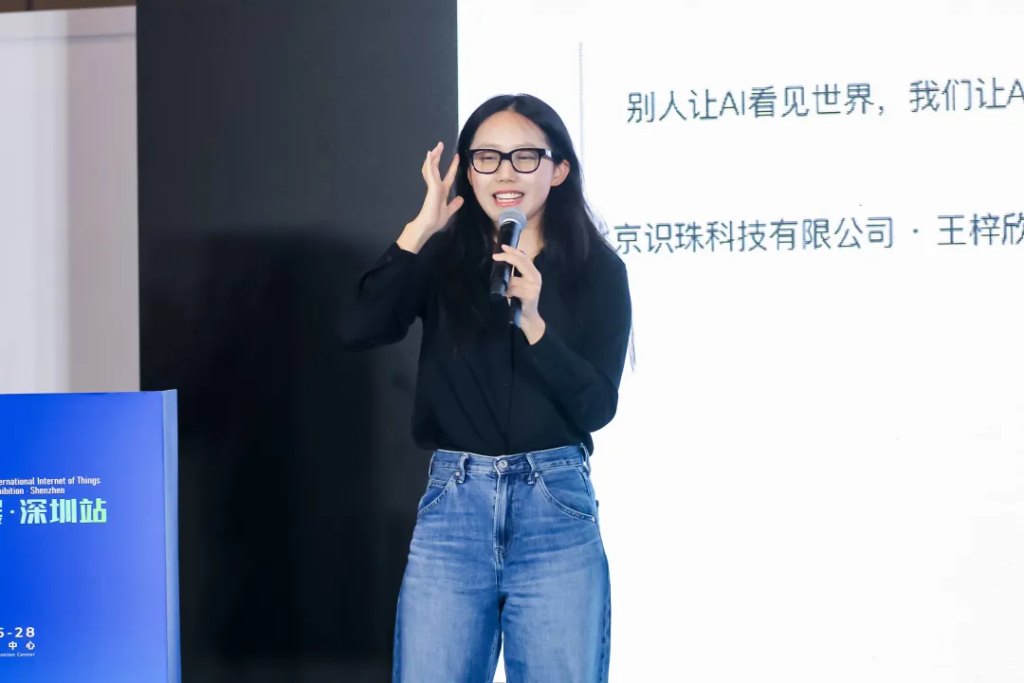
Presentation 8 | AI Tutor Glasses
Speaker: Wang Zixin, Founder, Beijing Shizhu Technology Co., Ltd.
Wang Zixin believes that one of the fundamental challenges in education is the lack of personalized teachers who can truly understand, accompany, and provide timely feedback to students.
Traditional foundation-model interaction often follows a simple “ask-and-answer” pattern and lacks proactive observation.
To address this limitation, Shizhu Technology has developed the EyeMind AI Growth System, built around smart glasses.
Using first-person perception, the device monitors a child’s gaze, movements, and voice, helping determine whether the child is distracted or encountering difficulties while studying.
The system is designed to integrate naturally into learning environments rather than becoming another intrusive device.
The hardware philosophy is deliberately restrained. Real-time display can be switched off to reduce visual fatigue, while the software is designed to work across multiple hardware brands.
The system uses Socratic-style questioning—typically within three questions—to encourage independent thinking and supports a range of environments including music practice rooms, calligraphy, and reading.
Gamified incentives and privacy protection mechanisms are also incorporated to encourage children’s autonomy while reducing parental anxiety.
Internal testing has indicated learning outcomes approaching those of traditional one-to-one tutoring.
The company has established collaborations with universities including Tsinghua University and more than 30 schools, with the goal of building an education ecosystem spanning multiple age groups and lifelong learning.
Presentation 9 | AI Smart Hardware Innovation: The TOY-IOT New Product Matrix
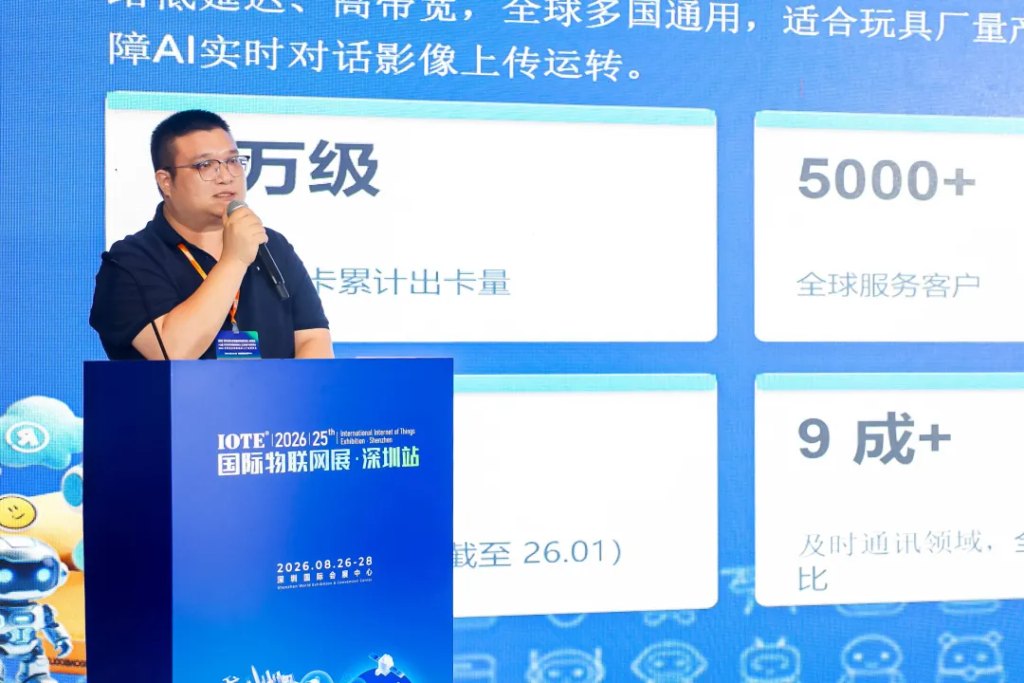
Speaker: Ke Kekai, Channel Director, Shenzhen YCTEL Technology Co., Ltd.
Ke Kekai noted that unstable outdoor connectivity and high international data costs have become key factors influencing product experience and repurchase rates.
To address common problems including excessive dependence on Wi-Fi, frequency-band compatibility issues, physical SIM contact failures, and high local data costs, YCTEL has developed TOY-IOT, an all-scenario IoT connectivity solution for AI toys and smart hardware.
YCTEL provides network coverage and POP nodes across 218 countries and regions.
Its MeshSIM technology eliminates the need for a physical SIM card and enables remote network switching through cloud-based OTA management, supporting millisecond-level network adaptation.
The solution is designed to address connectivity interruptions caused by outdoor movement and regulatory restrictions in certain regions.
The company also provides eSIM solutions compliant with SGP.32, as well as removable OTA global SIM cards.
Together with a three-tier management architecture directly connected to core networks, the system supports flexible B2B and B2C subscription renewal and data-plan cancellation.
This allows AI plush toys, AI learning devices, desktop robots, and other intelligent terminals to achieve out-of-the-box connectivity with lower operating costs.
The official AGIC exhibitor profile identifies the company as SHENZHEN YCTEL CO., LTD.
Presentation 10 | Give AI a Body: Physical AI—The Final Mile from Foundation Models to the Physical World
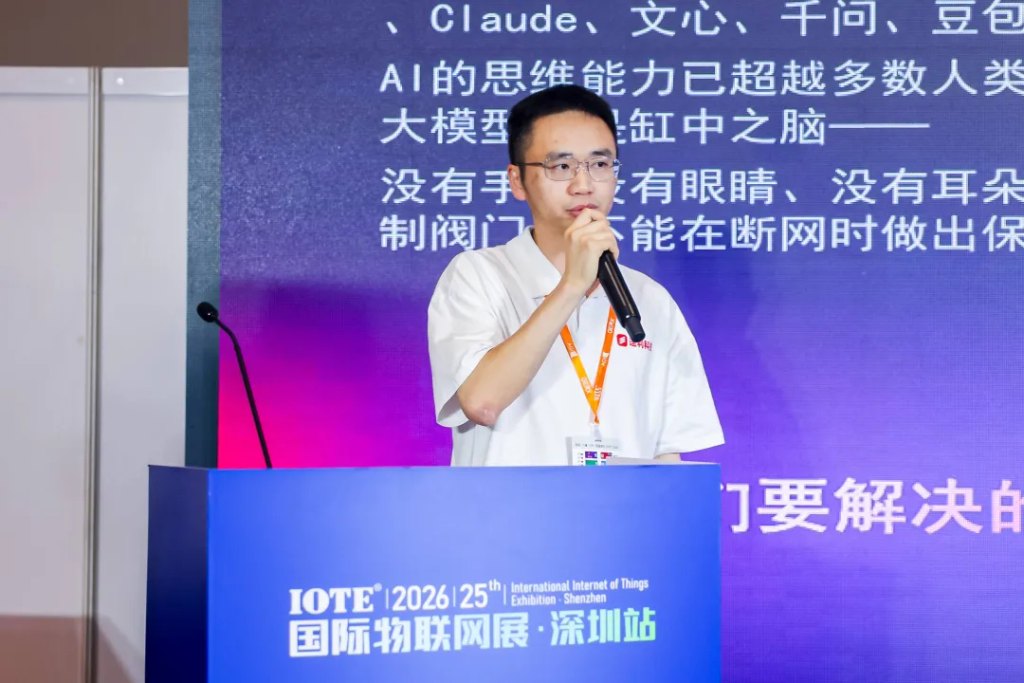
Speaker: Chen Qiuhuang, CEO, Hangzhou Suli Technology Co., Ltd.
Chen Qiuhuang noted that much of today’s AI remains confined to PCs and smartphones, where it is primarily used for tasks such as writing content and generating code.
Physical AI represents the next stage of the internet-plus era, embedding AI directly into hardware to enable control and interaction in the physical world.
He described the technological evolution as progressing through three stages:
IoT — Connectivity → AIoT — Assisted Intelligence → AI Agents — Autonomous Action
The ultimate goal is to create physical AI systems capable of perception, understanding, decision-making, and execution.
Suli Technology has established two core technology foundations: AIoT and AI Agent foundation-model aggregation, providing integrated hardware-and-software solutions.
These technologies have already been applied across multiple fields.
In industrial and smart-city environments, streetlights and valves can be transformed into autonomous intelligent agents capable of making decisions.
In agriculture, intelligent irrigation agents can autonomously adjust operations based on weather and soil conditions.
For motor control, the company has developed what it describes as the world’s first electronic soft starter and built an industry-specific foundation model for compressors.
In smart living, AI is being integrated into consumer electronics, including interactive AI desk lamps capable of emotional interaction.
The goal is to give traditionally passive devices a more responsive “body” and intelligent “brain,” transforming them into physical AI products with richer capabilities and more human-centered experiences.
The AGIC exhibitor profile lists the company as Hangzhou Suli Technology Co., Ltd.
August 27 | Event Highlights

Presentation 1 | Building a Trusted Computing Foundation for Heterogeneous AI Computing
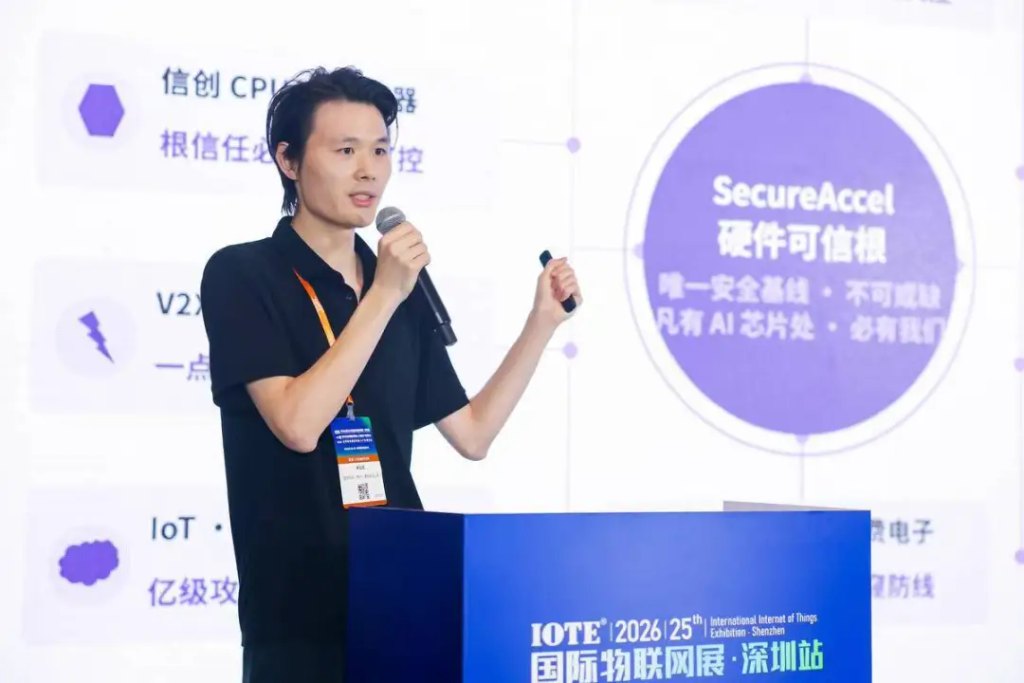
Speaker: Li Hongyang, Founder, Secrova Technology (Suzhou) Co., Ltd.
Li Hongyang noted that as investment in AI hardware continues to grow, the security of computing infrastructure is becoming increasingly critical.
Licheng Technology is addressing this challenge from the chip level by providing hardware roots of trust and cryptographic acceleration for different types of AI processors, including MCUs, IoT chips, CPUs, GPUs, and NPUs.
The goal is to establish a secure computing foundation specifically designed for AI workloads.
Compared with traditional software-based encryption, hardware-based encryption offers higher computational efficiency and stronger physical security while better meeting the dual requirements of AI processors for performance and security.
The company is currently focusing on technologies including SM4, AES, ASCON, and post-quantum cryptography.
By integrating cryptographic execution units directly into GPUs, NPUs, and other processors, the company aims to reduce the overhead associated with encrypted computation across chips and packages.
Licheng Technology has assembled a team with experience across universities, research institutions, and leading technology companies including Huawei.
Li himself holds a PhD, while the team includes nationally recognized young researchers, associate professors from leading Chinese universities, and industry experts with extensive experience in chip security, AI processors, and product development.
The company primarily adopts a security IP licensing and royalty model, while exploring applications in AI chips, government services, financial services, and other security-sensitive sectors.
Li said the company is currently advancing cooperation with chip manufacturers and seeking a new round of financing to expand its R&D team and equipment investment, accelerating the commercialization of AI-native security technologies.
Presentation 2 | Life-Companion Embodied AI Robot — Xuanxiaoliu
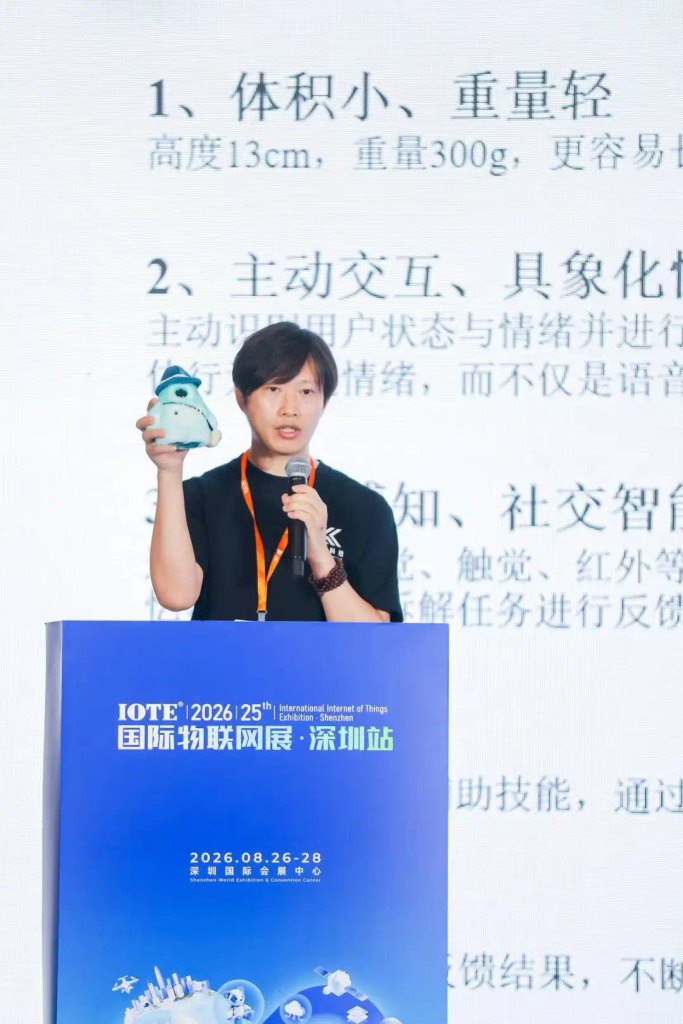
Speaker: Jiang Li, Founder, Sichuan Kouxuan Technology Co., Ltd.
Jiang Li believes that as foundation models evolve from perception and generation toward reasoning and agent-based capabilities, AI is moving beyond the digital world and increasingly into physical environments.
The core of embodied intelligence is not simply enabling robots to perform more actions. It is about combining “body + brain” capabilities to achieve environmental perception, autonomous decision-making, and task execution, ultimately integrating intelligent robots into everyday life.
Unlike AI toys that primarily focus on entertainment and conversation, Xuanxiaoliu is designed to establish a long-term companionship relationship between people and robots.
The approximately 13-centimeter-tall, 300-gram robot uses visual, auditory, touch, infrared, and other sensors to perceive users and their surroundings.
Combined with proactive interaction, emotional intelligence, and social intelligence, it can initiate conversations, express emotions, and provide lifestyle services at appropriate moments.
Xuanxiaoliu has completed mass production and entered the sales stage. The first production batch consisted of approximately 1,000 units, which are being sold through 20 physical stores across eight cities as well as online platforms.
The company plans to further strengthen scenario perception, emotional intelligence, and proactive interaction capabilities while expanding into lifestyle services and overseas markets.
Jiang Li previously served as Head of Product for the Application Open Platform at Ant Digital Technologies. Another core team member has 14 years of experience in embedded systems development.
Jiang emphasized that the company is not trying to build simply a “more powerful” robot, but an embodied AI product capable of genuinely understanding companionship and remaining a meaningful presence in users’ lives over the long term.
The company’s official website identifies the English brand as Kouxuan Technology, while its corporate entity is Sichuan Kouxuan Technology Co., Ltd.
Presentation 3 | Hearing Emotions: Biosensing and On-Device AI Open a New Portal to Affective Computing
Speaker: Xiao Ling, General Manager, Shantou Xinhae Zhisuan Artificial Intelligence Technology Co., Ltd. [1]
Xiao Ling believes that today’s AI can understand what people say and what they do, but still struggles to understand their immediate physiological and emotional states.
A person may say “I’m fine” while actually experiencing stress, fatigue, or anxiety.
Future human-machine interaction, therefore, will need to move beyond language and behavioral understanding toward a deeper perception of a person’s actual physical and emotional state.
The team aims to continuously collect physiological signals through wearable hardware and combine on-device AI with foundation models to analyze states such as emotion, stress, and energy levels.
By incorporating personal historical data and contextual information, the system can enable more proactive and personalized AI interaction.
Xiao emphasized that the team is not simply trying to build an “emotion recognition” system. Instead, it aims to develop a Human State Model capable of understanding why a person’s state changes and eventually predicting how that state may evolve.
For commercialization, the project plans to initially enter the AI-enabled matchmaking and relationship sector, using physiological data to support user matching and screening.
It then plans to expand into personal AI, family services, embodied intelligence, smart vehicles, and other B2B scenarios.
The team includes members from Tsinghua University, the University of Copenhagen, the University of Sydney, and other academic and industry organizations.
Xiao has more than 10 years of entrepreneurial experience, while the core team covers affective computing, biomedical engineering, AI algorithms, and smart hardware commercialization.
The project has completed multiple rounds of hardware iteration and model validation and has begun preparations for mass production.
The official IOTE exhibitor profile lists the company’s brand as Nurnex.
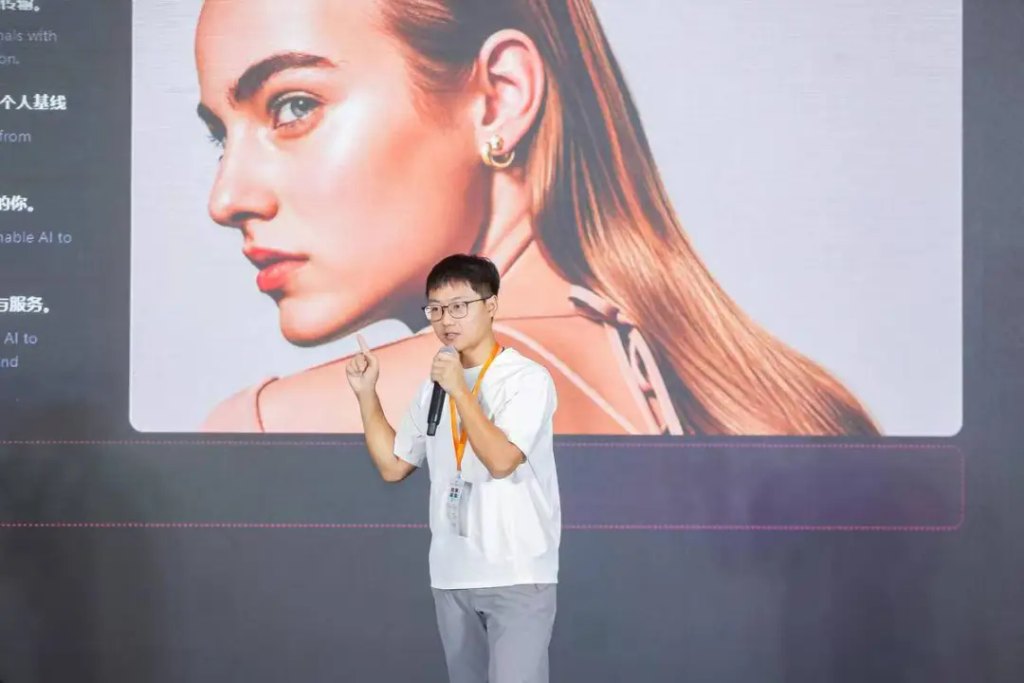
Presentation 4 | Bring Figurines to Life: Reimagining the Future of Digital Companionship with AI
Speaker: Li Ruijiang, General Manager, Aishuban (Shanghai) Artificial Intelligence Technology Co., Ltd.
Li Ruijiang noted that traditional figurines primarily serve collectible and decorative purposes. AI, however, can give IP characters the ability to perceive, express, and interact, allowing beloved characters to truly “come alive” in everyday environments.
Dipal aims to combine premium figurines with digital characters and emotional interaction through an AI 3D Character Pod, creating a new gateway to digital companionship.
The product features an 8-inch flexible curved display powered by an RK3588 processor and integrates multiple sensing technologies, including cameras, microphones, touch sensing, and gyroscopes.
Users can greet and converse with 3D characters, interact with them through touch, and switch between different appearances, voices, and environments.
The product also incorporates a personality engine designed to reproduce the personalities and behavioral characteristics of different IP characters.
Li believes that the value of AI hardware lies not only in the hardware itself, but also in the content and service ecosystem behind it.
In the future, the platform could continuously operate IP assets across character identities, voices, movements, skills, and digital assets while connecting gaming, home, and workplace scenarios.
This could allow the product to evolve from a desktop entertainment device into a more comprehensive personal companion.
The product has completed crowdfunding and begun global delivery, while the team is expanding into overseas markets and IP partnerships.
The company’s founder team has experience across communications, internet services, and AI hardware, with R&D teams established in Shanghai and Beijing.
The official AGIC exhibitor profile identifies the company and brand as Dipal.
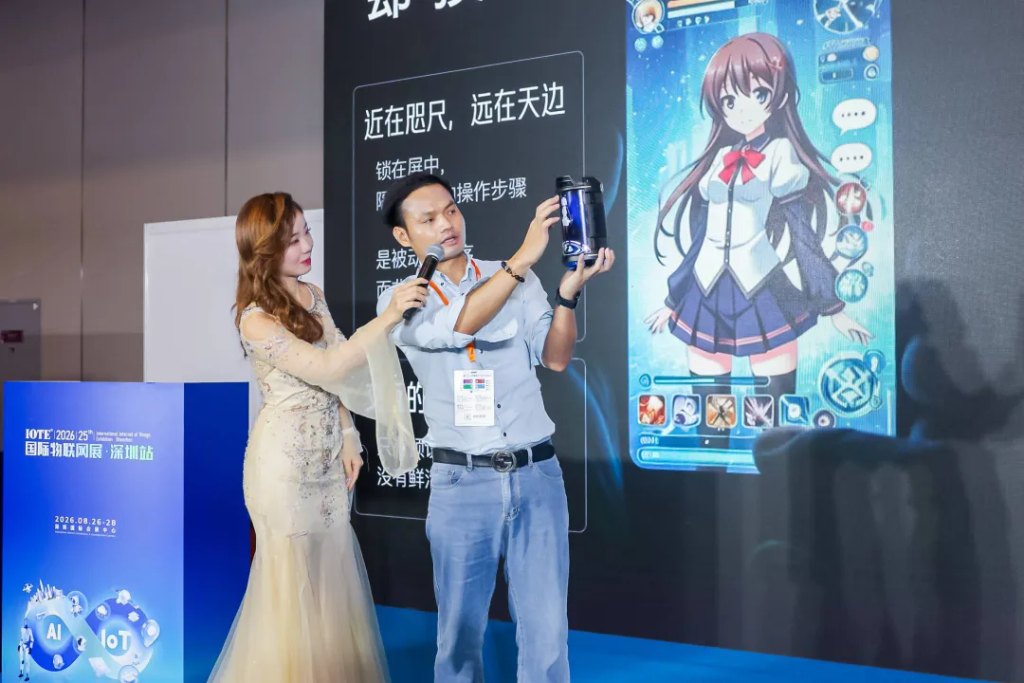
Presentation 5 | Autonomous-Driving AI Vision for Assistive Mobility for the Visually Impaired
Speaker: Chen Xuhui, General Manager, Hangzhou Tongxing Technology Co., Ltd.
Tongxing Technology focuses on blind and low-vision users, using AI vision, autonomous-driving technologies, and related innovations to address challenges in mobility, information access, and social interaction.
Chen Xuhui said the company aims to develop an affordable assistive device comparable to a “hearing aid” in terms of accessibility, with a target price in the range of several thousand yuan so that more visually impaired people can benefit.
The company’s core product is a pair of AI smart glasses for assistive mobility, equipped with dual cameras and multimodal perception capabilities.
The glasses can provide environmental recognition, real-time obstacle avoidance, navigation, traffic-light recognition, object identification, and SOS assistance.
Because visually impaired users require extremely fast response times, the team has used on-device AI and localized deployment to reduce response latency from approximately 300 milliseconds in the first generation to 60–70 milliseconds.
Some core functions can also continue to operate in environments without network connectivity.
The company’s founder has extensive experience working within Zhejiang’s disability-services system and has developed a deep understanding of the needs of visually impaired communities.
Chief Scientist Yang Bo has a background in autonomous-driving algorithms, and his own child has been blind since infancy—an experience that also contributed to the team’s decision to develop assistive technologies.
The company has established government and institutional partnerships in Zhejiang, Shanghai, Hunan, and other regions and has received several social responsibility awards.
Looking ahead, Tongxing Technology plans to expand its portfolio of assistive glasses, smart canes, and other products while exploring international markets.
The company’s official website identifies the business as Hangzhou Tongxing Technology Co., Ltd.
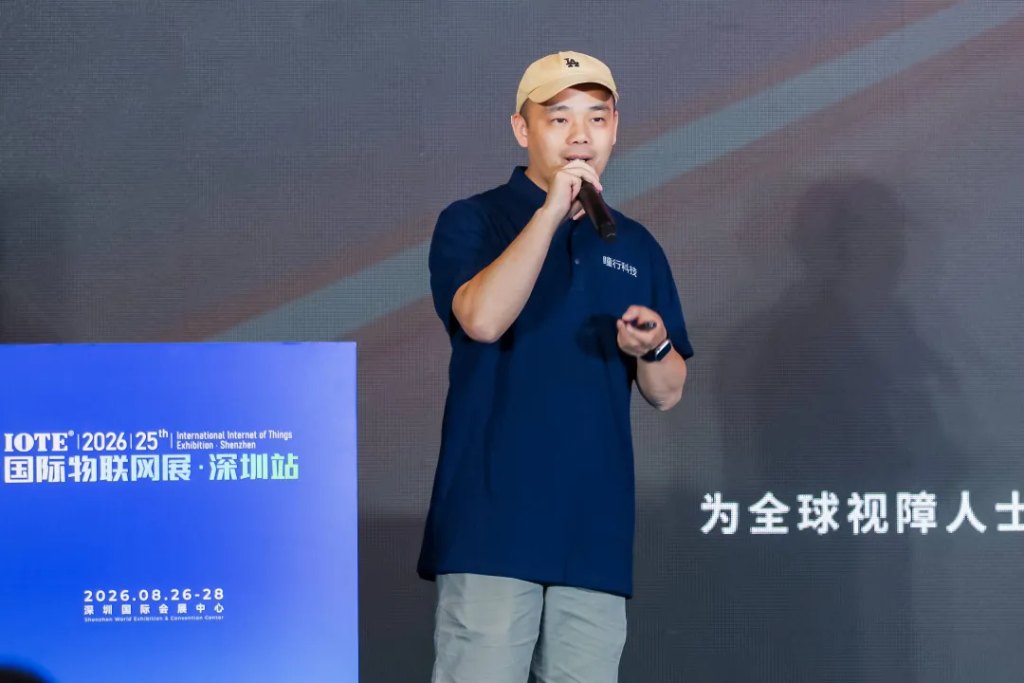
Presentation 6 | Al-FISH: Molecular Pathology Scanning and Automated Analysis System
Speaker: Wen Meijuan, Business Director, Hunan Xiaokema Biotechnology Co., Ltd.
In medical diagnostics, fluorescence in situ hybridization (FISH) testing has traditionally relied heavily on pathologists manually interpreting images under microscopes.
This creates challenges in efficiency and accuracy, while advanced molecular analysis equipment remains an area where domestic alternatives are still developing.
Wen Meijuan introduced Xiaokema’s independently developed AI-FISH intelligent molecular pathology analysis system, designed to automate the entire workflow from image acquisition to result analysis.
AI-FISH combines fluorescence microscopy hardware, image-analysis software, and a backend analysis system.
It can be adapted to different microscope platforms while providing comprehensive recording and traceability throughout the testing process.
Unlike the conventional binary classification of negative vs. positive, the system introduces a three-level classification model covering high-level amplification, low-level amplification, and no amplification.
For HER2 gene testing in breast cancer, this provides more granular supporting diagnostic information for targeted therapy decisions.
The AI-FISH software has completed validation using nearly 700 real clinical cases, with agreement between manual and software-based analysis exceeding 95%.
The team is now advancing multicenter clinical studies and plans to expand the technology into companion diagnostics for additional cancer types, as well as early cancer screening and early diagnosis.
For commercialization, the company plans to generate revenue through hospital sales, companion diagnostic solutions for pharmaceutical companies, and third-party testing services.
The team believes its core competitive advantages lie in proprietary algorithms, real-world clinical data, three-level classification technology, medical-device registration capabilities, and industry ecosystem barriers.
The company is currently preparing for angel-round financing to support team expansion, multicenter clinical research, medical-device registration, and algorithm development, while also exploring future applications in areas such as spatial omics.
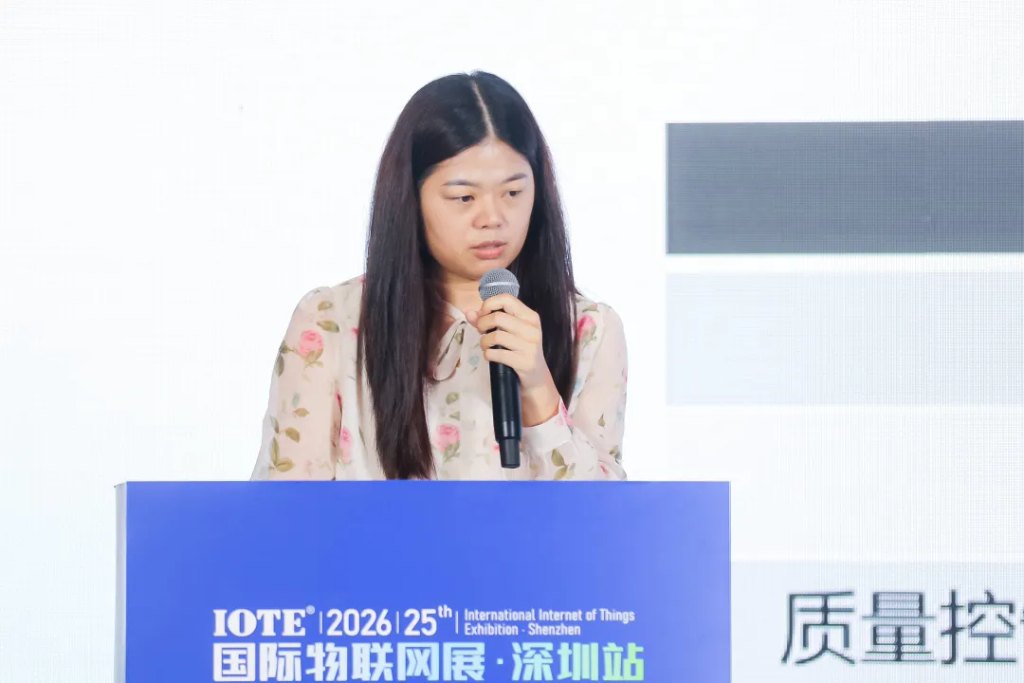
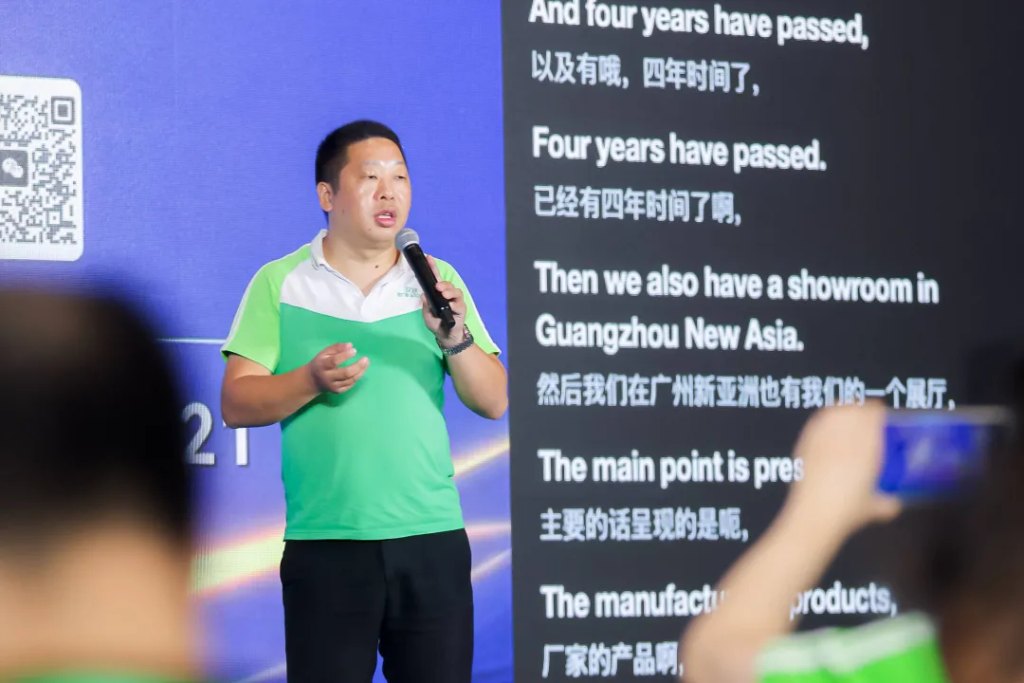
Presentation 7 | Choose the Right Market, Find the Right Factory, and Build the Next Bestseller with 3721 Network
Speaker: Luo Zhiyong, , Partner, 3721 Network, Shenzhen 3721 Technology Co., Ltd.
Luo Zhiyong explained that 3721 Network currently focuses on serving cross-border sellers, providing product selection, factory sourcing, and supply-chain matchmaking services.
The platform has a database containing contact information for more than 300,000 consumer electronics industry resources.
Through online industry magazines, industry databases, physical exhibition spaces, and overseas market-development activities, 3721 Network helps consumer electronics companies acquire customers and expand into international markets.
In overseas markets, 3721 Network has conducted B2B market-development activities for four consecutive years, covering approximately 30–50 countries annually and conducting localized promotion in markets including Europe.
The company also operates a product showcase space in Guangzhou’s New Asia area, where consumer electronics manufacturers can display their products and connect with cross-border sellers, trading companies, and supply-chain partners.
Luo emphasized that for AI hardware entrepreneurs, moving from an idea to mass production requires more than technology and capital.
Finding the right supply chain and sales channels is equally critical.
With its long-standing industrial resources, 3721 Network aims to help startups move through the entire commercialization process—from selecting the right market and product, to sourcing factories and expanding distribution channels.
The ultimate goal is to help AI hardware products move from concept to market.
The official AGIC exhibitor profile lists the company as Shenzhen 3721 Technology Co., Ltd., while its international-facing materials use the brand 3721 Network.
From Innovation to Market: Two Days of AI Hardware Exploration
The two days of presentations and roadshows provided a concentrated snapshot of the current state of the AI hardware industry.
By bringing innovative projects face to face with investors, industrial resources, and upstream and downstream partners, the event provided startup teams with valuable industry feedback beyond capital.
At the same time, it gave investors and industry players a more direct view of the real changes taking place across AI hardware entrepreneurship.
AI is accelerating its transition into the physical world, while hardware remains one of the most important vehicles through which AI can truly reach users.
We sincerely thank the entrepreneurs, investment institutions, industry partners, and ecosystem participants who supported the event.
The journey from idea to product, from technology to application, and from AI to the physical world is only beginning.