
Talking Markets Without Shying Away from Constraints.
Talking Opportunities Without Shying Away from Pain Points.
Inside One of the Most Closely Watched Micro-Energy Harvesting Forums at IOTE 2026
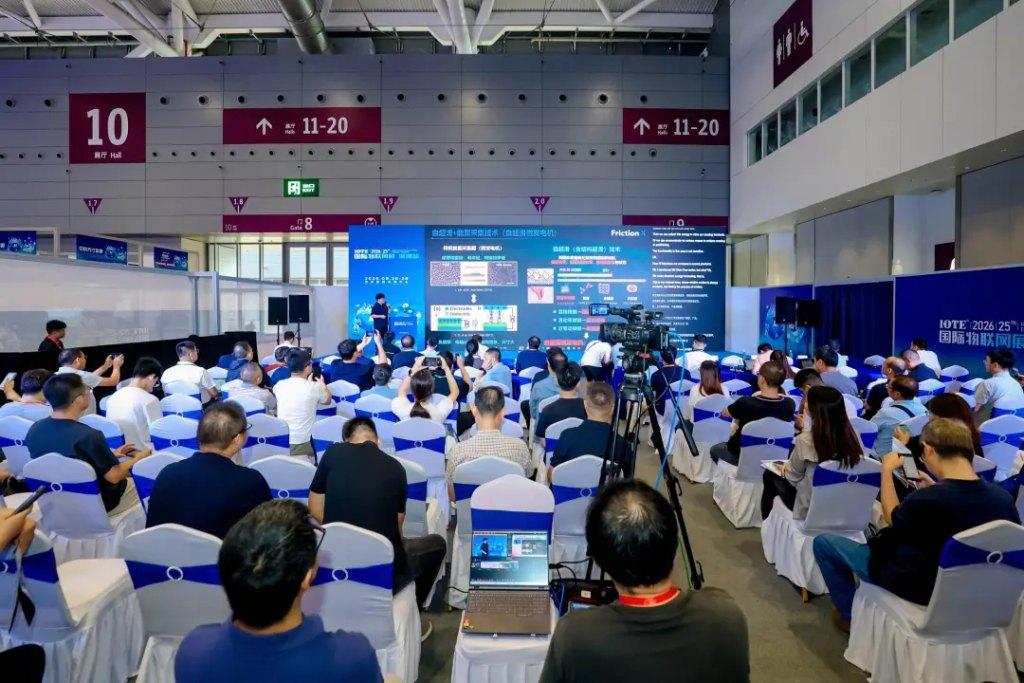
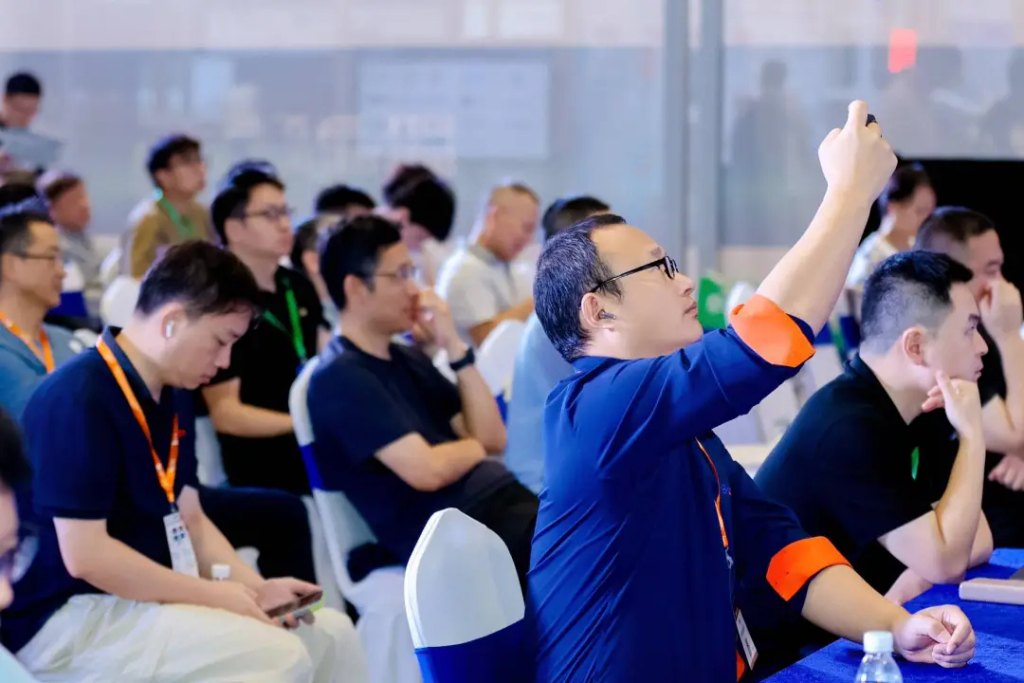
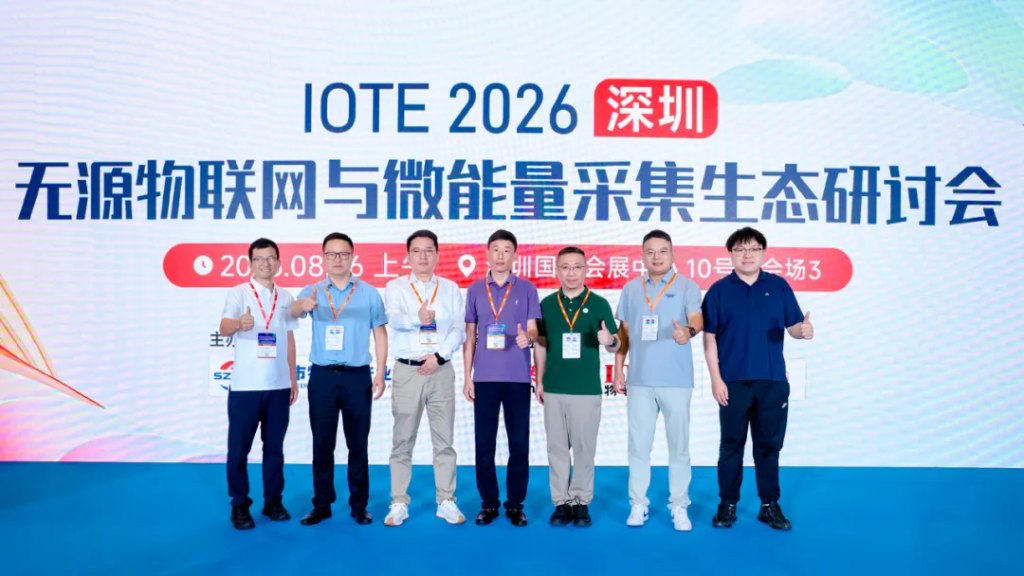
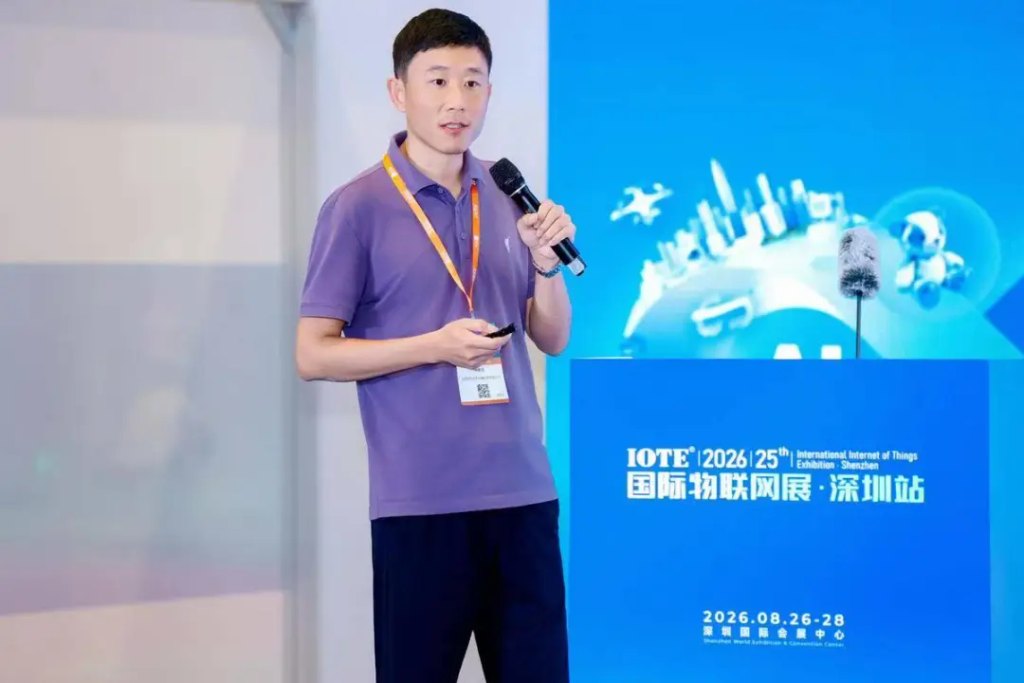
On the morning of August 26, 2026, the IOTE 2026 Shenzhen | Passive IoT & Micro-Energy Harvesting Ecosystem Forum was successfully held at Hall 10, Conference Room 3, Shenzhen World Exhibition & Convention Center.
The Forum was jointly organized by the Shenzhen Internet of Things Industry Association, AIoT XingTu Research Institute, IOTE International IoT Exhibition, and Ulink Media.
High Technical Barriers + High Economic Value
An Emerging Blue-Ocean Market
Micro-energy harvesting is an early-stage blue-ocean market characterized by high technical barriers and significant economic potential.
The field spans multiple disciplines, including quantum physics, advanced materials, precision manufacturing, and analog IC design, creating substantial technological barriers to entry. Yet once these technologies reach scale, the economic value can be equally significant—eliminating routine maintenance, wiring, and battery replacement.
The industry is currently transitioning from technology validation toward early-stage demonstration and commercial deployment. No large-scale, consumer-facing breakout product has yet emerged, but the commercialization window is beginning to open.
The discussions at this Forum highlighted a broad range of application opportunities, including power and grid infrastructure such as branch-line and ground-wire icing monitoring; oil & gas and petrochemical industries, including oil wells and hazardous-area applications; smart airports and smart logistics; rail transit, bridges, and infrastructure; smart manufacturing and industrial equipment condition monitoring; smart agriculture; cold-chain logistics and healthcare; as well as consumer electronics and wearable devices.
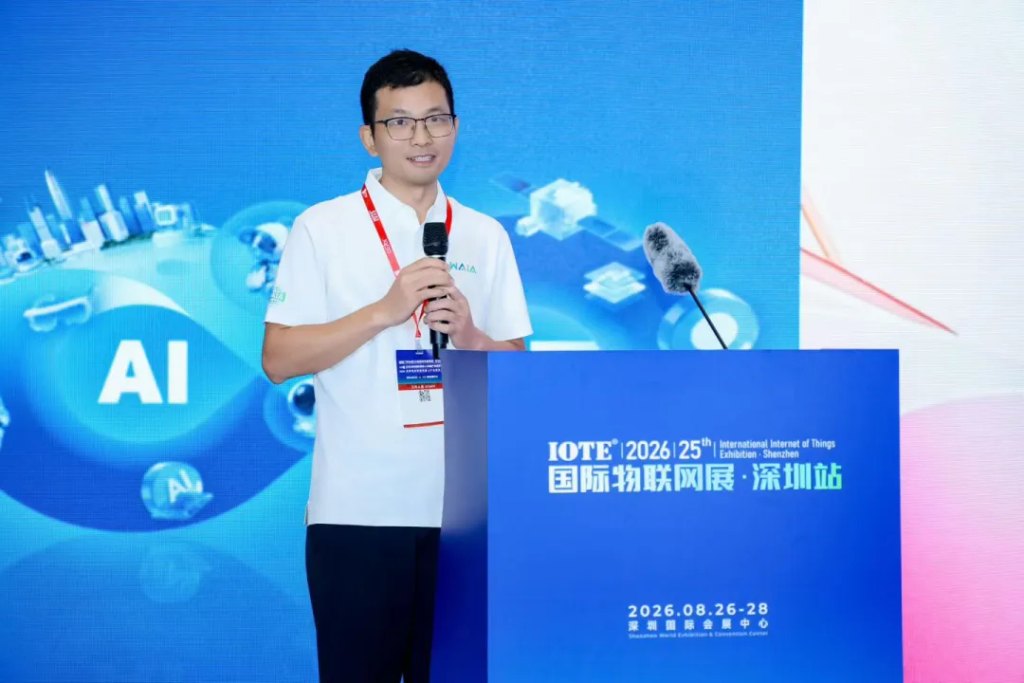
As Liang Rongwei, Director of Ecosystem Development at Ulink Media, noted in her opening remarks, the rapid deployment of Physical AI is driving the number of sensing and perception nodes from tens of thousands toward millions. Yet more than 90% of existing devices still rely on batteries. Battery replacement, maintenance complexity, and operating costs have become persistent challenges across the industry.
How can environmental energy harvesting enable devices to operate autonomously without conventional batteries? This was one of the central questions explored throughout the Forum.
Five Micro-Energy Harvesting Technologies
Emerging Technologies to Watch
The Forum explored five major micro-energy harvesting pathways: light, mechanical energy (vibration), thermal energy, electromagnetic energy through RF-field harvesting, and magnetic-field harvesting.
Several technologies and commercial developments presented at the Forum stood out for their industry-first or first-of-kind claims:
- Ambient-temperature MASER quantum technology: a detailed introduction to a solution claimed to achieve controllable quantum stimulated emission under ambient conditions for the first time globally.
- The world’s first fully automated consumer-grade perovskite solar cell production line: an inside look at the commercialization and supply-chain experience behind large-scale production.
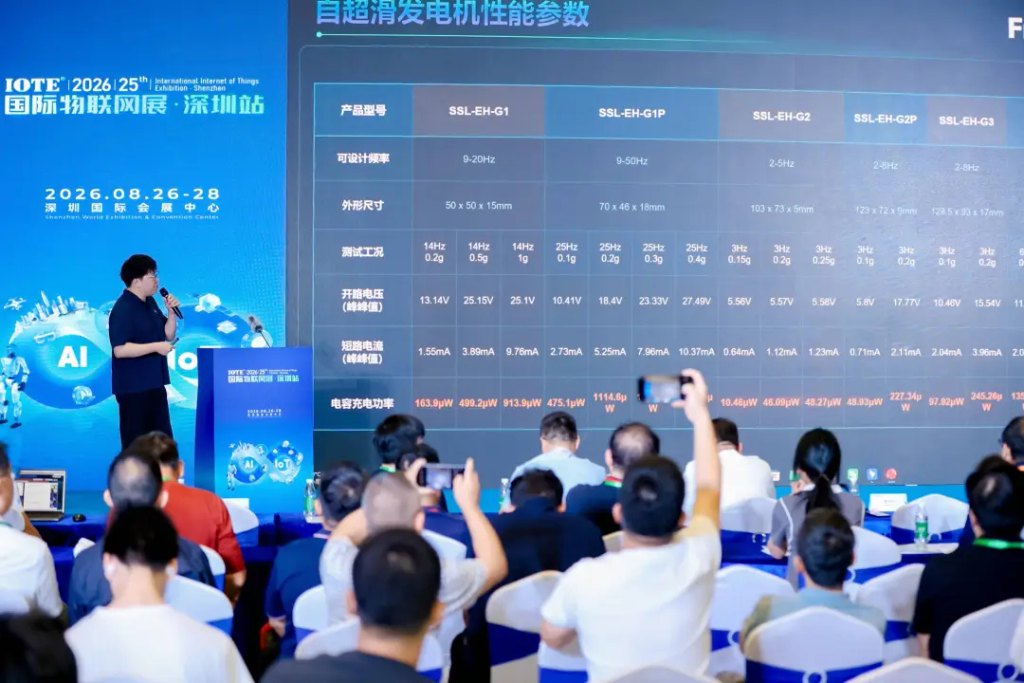
- “Superlubricity” zero-wear vibration power generation: exploring how zero-wear material interfaces can be translated into high-power-density, long-life vibration energy harvesting.
- Low-light energy-harvesting PMICs: design approaches enabling cold-start power in the 5 μW range and energy conversion efficiency exceeding 95%.
- “Qinglan,” a battery-free consumer product: a new consumer-facing product designed around zero-battery, maintenance-free operation.
- Electromagnetic-field energy harvesting: proprietary technology designed to extract small amounts of energy directly from cables through electromagnetic induction, with cold-start current brought down to the 100–200 mA range.
The Forum brought together six speakers from Polariton (Chengdu) Technology Co., Ltd., Yanhe Tech, FrictionX Co., Ltd., Madeit Semiconductor Co., Ltd., ZenMeasure (Beijing) Technology Co., Ltd., and Beijing Jingyibeifang Instrument Co., Ltd. Their presentations provided a comprehensive view of the technologies, commercial models, and deployment challenges shaping the emerging micro-energy harvesting ecosystem.
Battery-Free Power for Passive IoT
Innovation in MASER Quantum Integrated Sensing & Connectivity for Passive Wireless Sensors
Zheng Wang, Deputy General Manager of Polariton (Chengdu) Technology Co., Ltd., shared the company’s breakthrough in ambient-temperature, controllable, and scalable MASER (Microwave Amplification by Stimulated Emission of Radiation) technology following nearly a decade of R&D.
The technology enables sensors to operate without conventional batteries, using electromagnetic energy available in the surrounding environment. The company’s solutions have already entered batch deployment in applications including power grids and hydropower generation equipment.
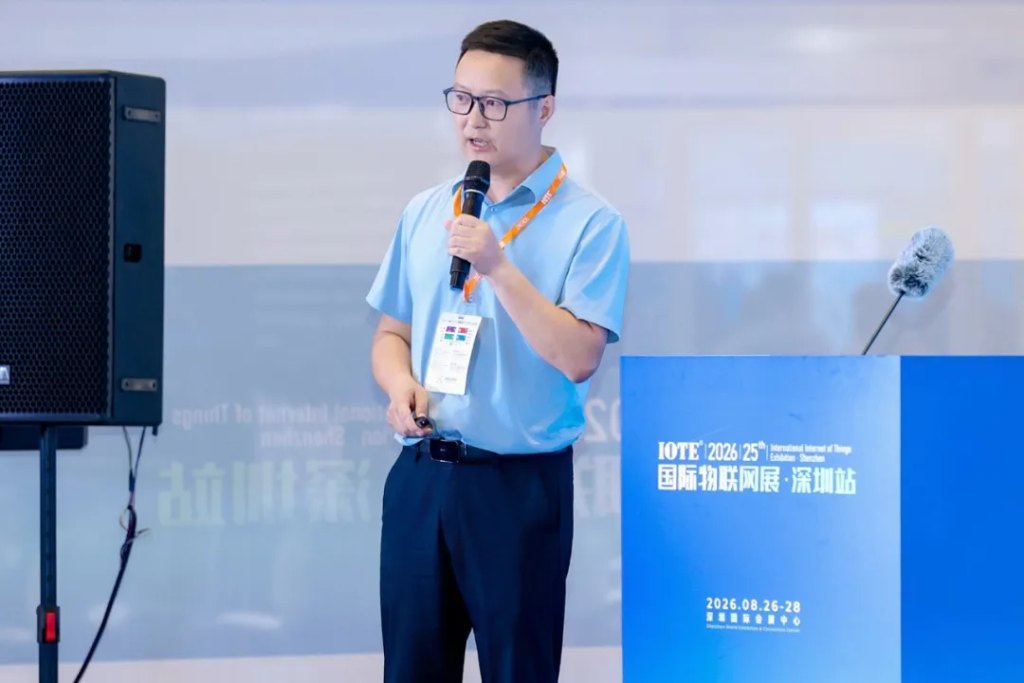
As Wang explained:
“Using quantum technology, we have made it possible for IoT terminals to truly eliminate the need for batteries.”
The technology is a proprietary foundational technology developed by Polariton. The company is also working with Huawei on the development of the NearLink 3.0 SLZ standard and has conducted application validation and commercial cooperation with major industrial groups including Dongfang Electric, Harbin Electric, and State Grid. The technology has already begun generating commercial output this year.
Beyond its increasingly mature passive wireless quantum sensing technology, Polariton is also accelerating applications of ambient-temperature quantum technology in low-power communications and battery-free tags, with the goal of bringing these technologies into broader everyday applications.
The MASER platform is not limited to temperature sensing. Prototype devices for measuring pressure and vibration have also been developed. Temperature sensors are expected to complete testing in September, with mechanical and thermal sensing products to follow toward chip fabrication and mass production.
Perovskite Ambient-Light Power
Reshaping the Power Experience for AI-Era Smart Devices
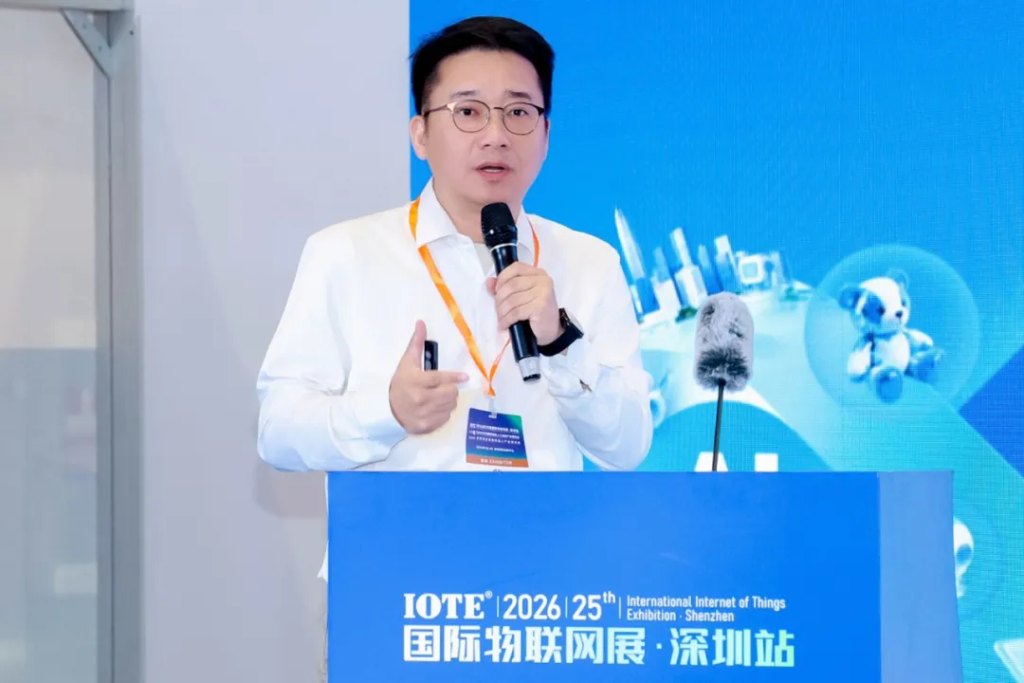
Yang Gang, Vice President of Yanhe Tech (Hunan Yanhe Intelligent Technology Co., Ltd.), introduced the company’s independently developed perovskite ambient-light power cells, highlighting their high conversion efficiency under low-light conditions and their progress toward commercialization in consumer electronics.
Applications already entering supply chains include smart locks, AI glasses, keyboards, and mice.
As Yang noted:
“A 10 cm² perovskite ambient-light power cell can replace 20 AAA batteries.”
In August 2025, Yanhe Tech completed the world’s first fully automated production line for consumer-grade perovskite cells. The company was among the early players in China to bring perovskite photovoltaic technology into consumer applications and commercial-scale manufacturing. Its products have been adopted by brands and ecosystems including Lenovo, Samsung, Haier, and Xiaomi.
Yang also revealed an important manufacturing advantage: perovskite cells can use laser patterning to flexibly adjust the output voltage of the cell. Under indoor low-light conditions, each cell can typically deliver approximately 0.7–0.8 V, while outdoor illumination can generate around 1.1–1.2 V. This enables manufacturers to customize series configurations according to the power requirements of specific end devices.
This flexibility represents one of the key advantages of perovskite technology for integration into consumer electronics compared with conventional crystalline silicon cells.
At the same time, Yang pointed out that global crystalline-silicon production capacity has reached approximately 870 GW, driving costs to extremely low levels. For perovskite technology to achieve a cost advantage, continued scale-up and mass production will be essential to further reduce manufacturing costs.
Superlubricity-Based Micro-Vibration Power Generation
Self-Powered Solutions for Vibration-Driven Applications
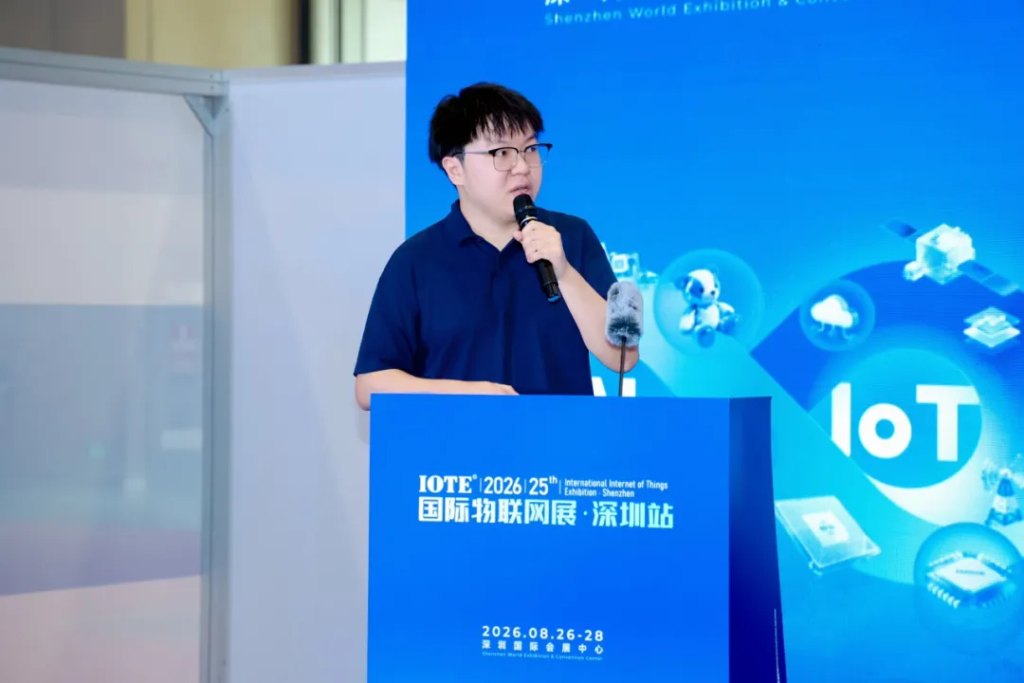
Huang Xuanyu, CTO of FrictionX Co., Ltd., presented the company’s micro-vibration power generation technology based on the principle of “superlubricity” and near-zero wear.
The technology is designed for demanding, high-maintenance environments such as icing monitoring on power-grid ground wires, smart airport towing operations, and smart logistics and cold-chain applications, enabling autonomous power generation with minimal maintenance.
Huang emphasized:
“As long as there is motion, no matter how small, we can harvest it and turn it into usable power.”
FrictionX is focused on the industrialization of superlubricity, a foundational technology characterized by near-zero friction and zero wear. Founded by Academician Zheng Quanshui of the Chinese Academy of Sciences, the company has developed a range of applications based on the technology, including micro-vibration generators.
Its micro-power generation devices have passed 100G-level impact testing and 370 million-cycle fatigue testing, equivalent to more than 10 years of expected service life. The technology has also secured a million-yuan-level development order from State Grid Zhejiang Electric Power Company.
Huang highlighted a less-discussed challenge in power-grid applications: because ground wires themselves do not carry current, conventional current-transformer (CT) energy harvesting cannot be used. For years, this has left the industry without an effective power supply solution for certain monitoring devices.
FrictionX instead uses the low-frequency micro-vibrations generated by long cables—typically more than 500 meters in length—under wind-induced disturbances to generate power. Even under variable vibration conditions, its energy-management strategy can maintain autonomous operation on an average-energy basis.
He further explained the underlying mechanism. Based on Maxwell’s equations, the device converts vibration into electrical energy through electrostatic or electromagnetic induction. At the same time, superlubricating materials are integrated into the moving interfaces to minimize frictional damping during operation.
This combination is the key to achieving high conversion efficiency, high power density, and long operating life in a single system.
Micro-Energy Harvesting System Design for Low-Power IoT
Yang Kun, General Manager of Madeit Semiconductor Co., Ltd., examined the architecture of micro-energy harvesting systems for low-power IoT devices from the perspective of chip design.
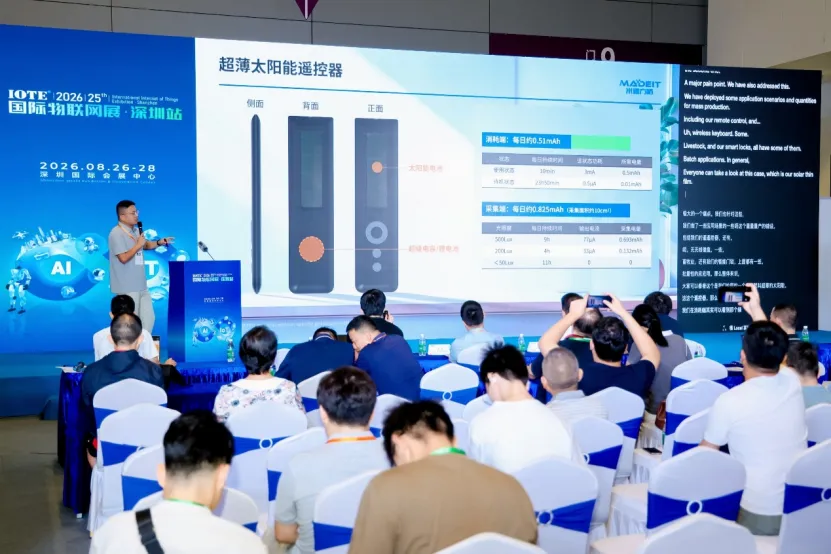
As Yang explained, the energy available from environmental sources is inherently limited. The core role of a power management IC (PMIC) is therefore to manage energy across the entire system—to transfer as much harvested energy as possible to the storage element while minimizing losses during each stage of energy conversion.
Madeit has already mass-produced multiple PMICs for micro-energy harvesting applications. Its industrial-grade MF9006 can operate reliably from –40°C to 125°C and supports battery conversion applications.
Its next-generation MF9005 reduces cold-start power consumption to approximately 2.5 μW, targeting indoor low-light environments, with conversion efficiency of up to 95%. The company also offers solutions designed for wider voltage ranges and higher-power applications to address different use cases.
Yang concluded that chip design represents only one part of the broader micro-energy harvesting value chain. Greater collaboration among indoor photovoltaic material suppliers, energy-storage component manufacturers, solution providers, and other ecosystem partners will be essential to building a mature industrial ecosystem and bringing micro-energy harvesting into broader commercial use.
Why Has Micro-Energy Harvesting Not Yet Reached Mass Adoption?
Five Gates from “Can Generate Power” to “Can Mass-Produce”
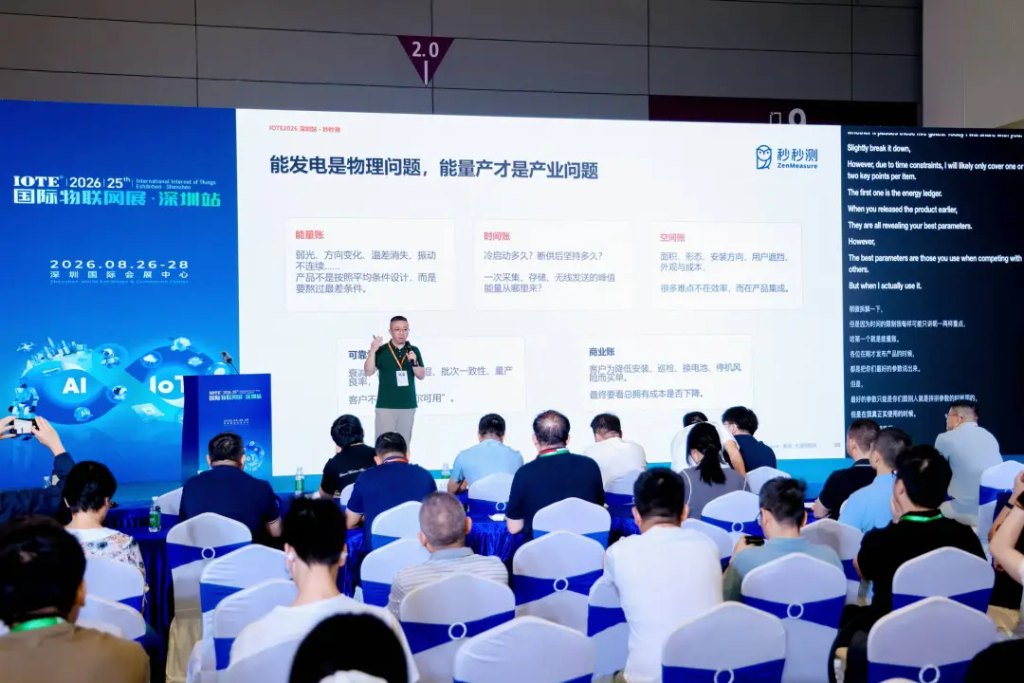
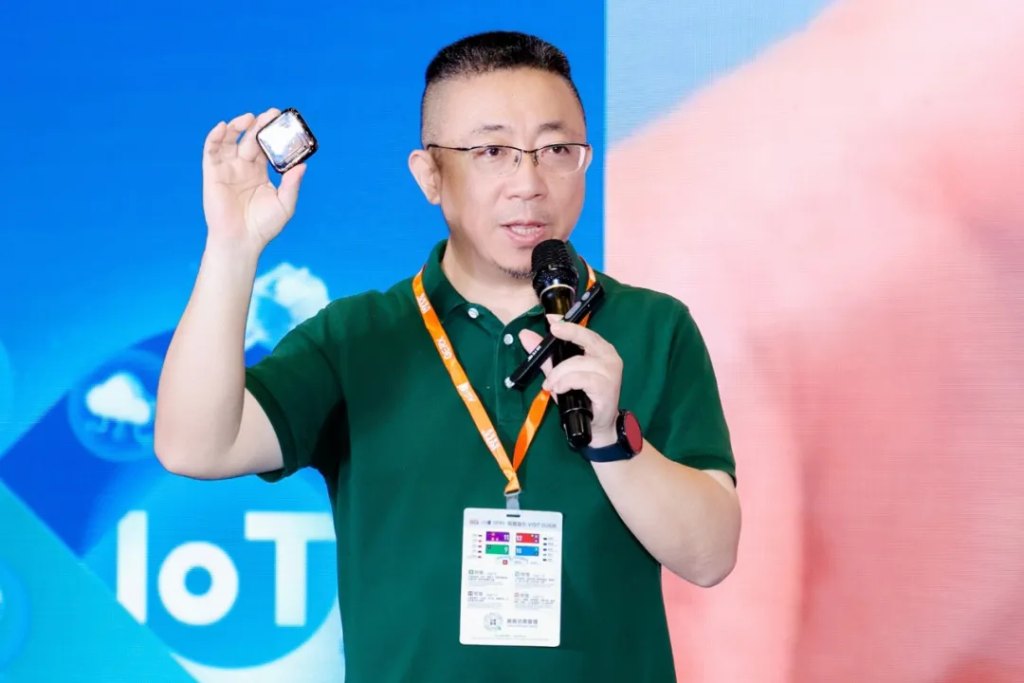
Liang Yuyang, CEO of ZenMeasure (Beijing) Technology Co., Ltd., drew on first-hand experience from shipping tens of millions of sensors to identify five critical barriers that products must overcome before moving from “can generate power” to “can be mass-produced.”
These are the energy equation, time equation, space equation, reliability equation, and business equation.
As Liang put it:
“Our philosophy is to be extremely conservative with communications and extremely aggressive about energy efficiency. Customers are not buying ‘battery-free’ as a feature—they are buying freedom from maintenance.”
A single wireless temperature and humidity meter from ZenMeasure has achieved cumulative sales of more than 18 million units, making the company the top shipper of wireless temperature and humidity meters in China according to Frost & Sullivan. Over the past eight years, an average of one product has been shipped every nine seconds.
Its customers include major pharmaceutical and food cold-chain companies such as Sinopharm and Nestlé, making ZenMeasure one of the relatively few companies in China to achieve consumer-scale mass production of micro-energy-powered products.
Liang also shared a set of demanding real-world operating thresholds from the company’s latest product, Qinglan. To maintain stable operation, the product requires at least five days per week with more than 10 hours of illumination per day at an intensity of approximately 260 lux.
This real-world threshold is significantly more demanding than idealized claims such as “20 lux is enough to generate power” sometimes seen in the market. It reflects repeated calculations and validation based on actual usage environments.
He also noted that, because reliability remains a critical consideration, the company is currently introducing several emerging energy-harvesting technologies first in B2B applications, where they can be validated under controlled operating conditions, rather than immediately deploying them at scale in consumer markets with much lower tolerance for failure.
Industrial Applications Enabled by Next-Generation Passive Sensing
Lin Xinzhi, CTO of Beijing Jingyibeifang Instrument Co., Ltd., shared real-world deployments of non-invasive passive wireless power sensors in large-scale energy and carbon management projects involving China National Petroleum Corporation (CNPC), Yanjing Beer, steel mills, and other industrial customers.
At one oilfield in Tianjin, more than 5,000 oil wells have been equipped with power sensors. By making energy-consumption data more real-time and granular, the system enables multidimensional analysis of electricity-use patterns and supports load management, source-grid-load-storage coordination, and energy-efficiency upgrades.
Through energy-efficiency diagnostics and pilot retrofits of pumping wells, the resulting energy-saving upgrades have achieved electricity savings of more than 20%.
Lin noted:
“Power, oilfield, steel, chemical, and water utilities have long faced the same challenge: critical energy data is difficult to see, measure, and analyze. Our solution is non-invasive, ready to install, deployable within minutes, requires no power shutdown, and is virtually maintenance-free.”
Beijing Jingyibeifang Instrument Co., Ltd. traces its roots back to the Beijing No. 3 Electricity Meter Factory and has nearly five decades of experience in energy metering. The company is a national high-tech enterprise and operates a nationally recognized green factory and a CNAS-accredited laboratory.
Its passive power sensing and related technologies have been independently evaluated by academic expert teams as reaching an internationally advanced level and have already been deployed at scale in projects involving major state-owned enterprises including China National Petroleum Corporation and Yanjing Beer.
Against the backdrop of China’s dual-carbon strategy, these solutions are helping industrial customers accelerate their transition toward digital, intelligent, and low-carbon energy management.
Lin also introduced the company’s proprietary electromagnetic-field energy harvesting technology, which extracts small amounts of energy directly from electrical cables through electromagnetic induction. The technology can operate without an external power supply or battery and has reduced its cold-start current requirement to the 100–200 mA range.
The company’s digital energy-and-carbon management platform has also evolved from conventional static carbon-emission factors toward an AI-powered real-time dynamic carbon-emission model. By integrating real-time photovoltaic generation curves throughout the day, the platform can calculate actual carbon emissions across buildings and industrial parks on a more granular, time- and location-specific basis.
This real-time dynamic methodology represents an early-stage implementation of AI-enabled carbon accounting within the industry.
The Micro-Energy Harvesting Market in 2026
In 2026, the micro-energy harvesting industry is moving beyond a technology race focused primarily on identifying available environmental energy sources, accumulating patents, and comparing technical pathways.
The focus is increasingly shifting toward a much more practical question:
Can the technology be mass-produced—and can it deliver compelling economics at scale?
Several speakers at the Forum highlighted that 2026 is the year when their technologies are beginning to secure commercial orders, enter established supply chains, and move into volume delivery.
The journey from prototype demonstrations to scaled commercial deployment remains long, and significant technical and business challenges still need to be addressed.
But the direction is becoming increasingly clear.
Micro-energy harvesting is no longer only a technology experiment. It is becoming an ecosystem challenge—one that requires materials companies, chip designers, device manufacturers, system integrators, solution providers, and end users to build the market together.
From battery-free sensors and self-powered industrial monitoring to smart consumer electronics and the rapidly expanding sensing infrastructure required by Physical AI, micro-energy harvesting could become an important enabling technology for the next generation of low-maintenance, always-on intelligent devices.