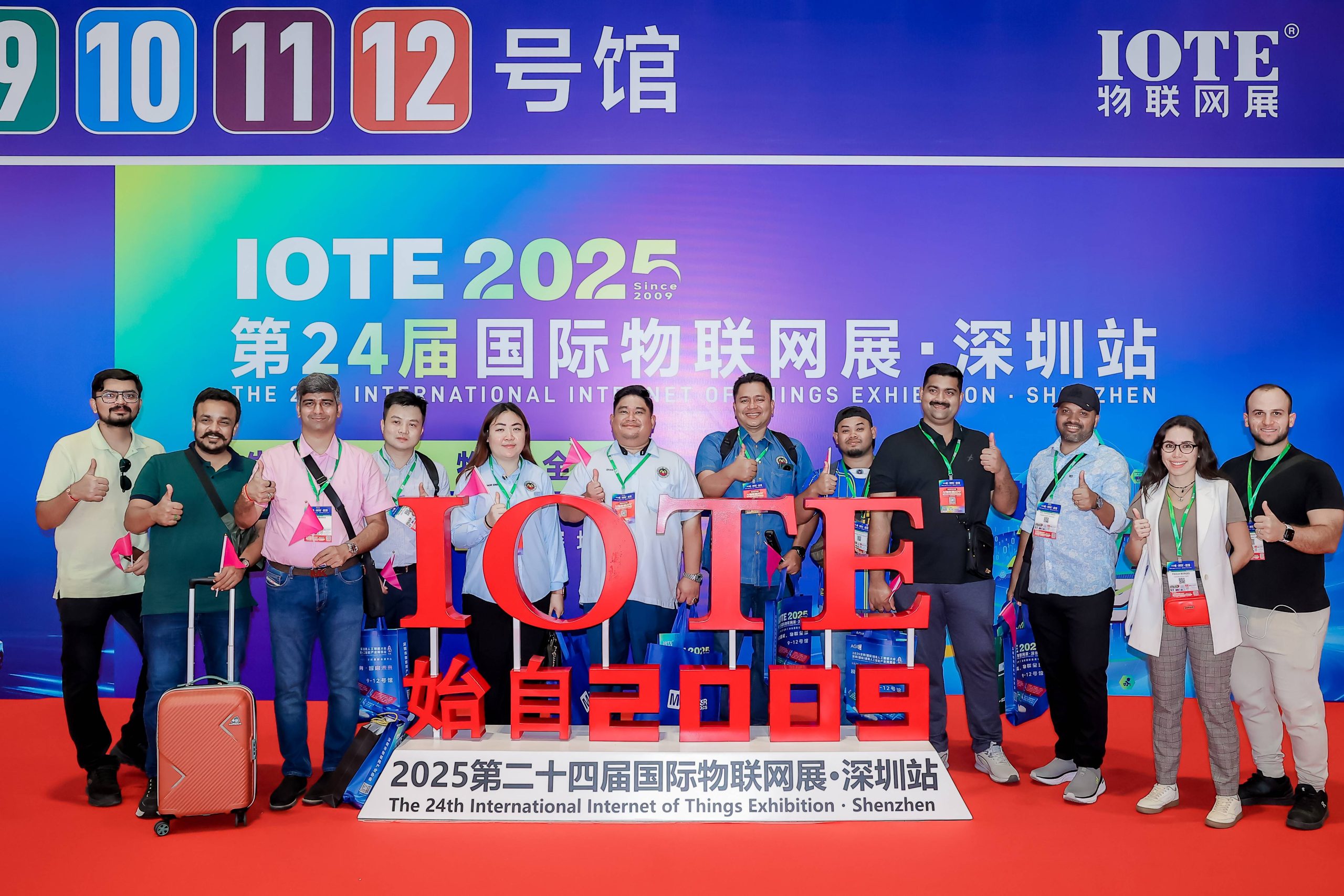
Hosted by the Trade Development Bureau of the Ministry of Commerce of the People’s Republic of China, supported by the Shenzhen Municipal Bureau of Commerce, and jointly organized by the IOTE International IoT Exhibition Organizing Committee and the World AIoT Innovation Alliance (WAIA), the 2026 Global AI & IoT Innovation Application Collaboration & Matchmaking Conference was successfully held at the Shenzhen World Exhibition & Convention Center in Shenzhen on August 26, 2026.
As 2026 marks the first year of China’s 15th Five-Year Plan, China’s foreign trade is entering a new stage of high-quality growth, with a focus on maintaining stable scale while optimizing its structure. As AIoT becomes an increasingly important driver of new quality productive forces, helping Chinese companies expand internationally and connect efficiently with global markets has become a shared priority across the industry.
The conference brought together representatives from industry associations, policymakers, and leading AIoT solution providers from more than 20 countries and regions, including Italy, Canada, Malaysia, Indonesia, Germany, Singapore, Taiwan, Hong Kong, and Macao. Together, they explored emerging AIoT applications across key sectors including retail, logistics, manufacturing, energy, healthcare, and agriculture.
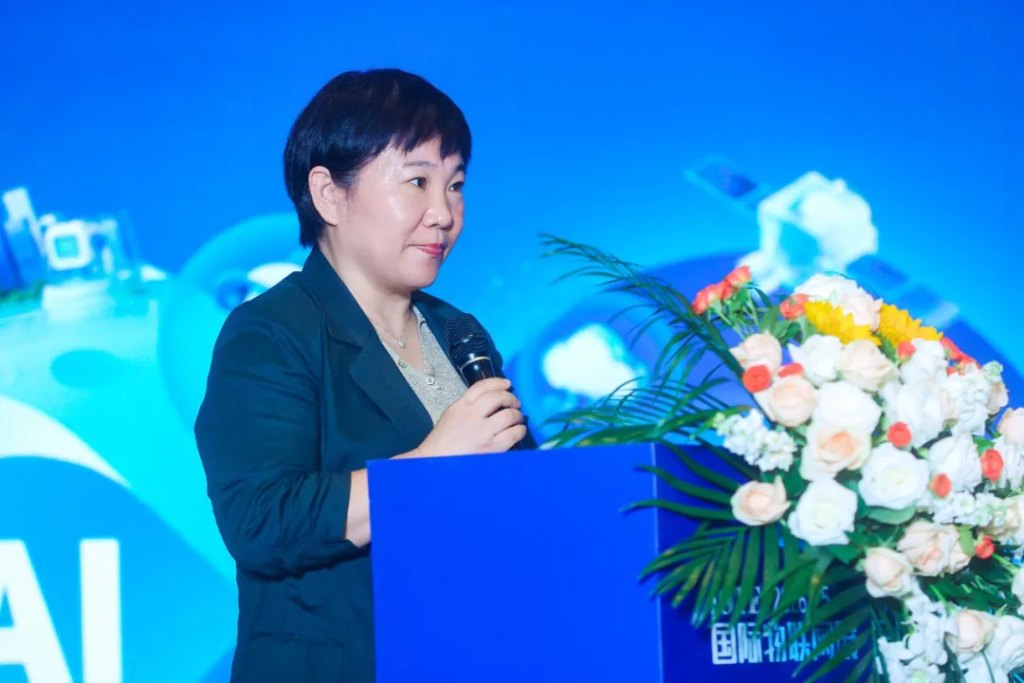
The summit officially opened at 2:30 p.m. Yin Shuyan, Deputy Director of the Trade Development Bureau of the Ministry of Commerce, delivered the opening remarks. She noted that 2026 marks the beginning of China’s 15th Five-Year Plan. During the first seven months of 2026, China’s total import and export volume of goods reached RMB 34.13 trillion, representing year-on-year growth of 17.3%, while exports of AI-related products recorded double-digit growth and have emerged as a major driver of foreign trade expansion.
She also highlighted that the Trade Development Bureau will organize nearly 10 AI-focused foreign trade promotion activities both in China and overseas this year, continuing to build more targeted business-matching platforms, cultivate new drivers of foreign trade growth, and help Chinese companies explore broader international markets through mutually beneficial cooperation.
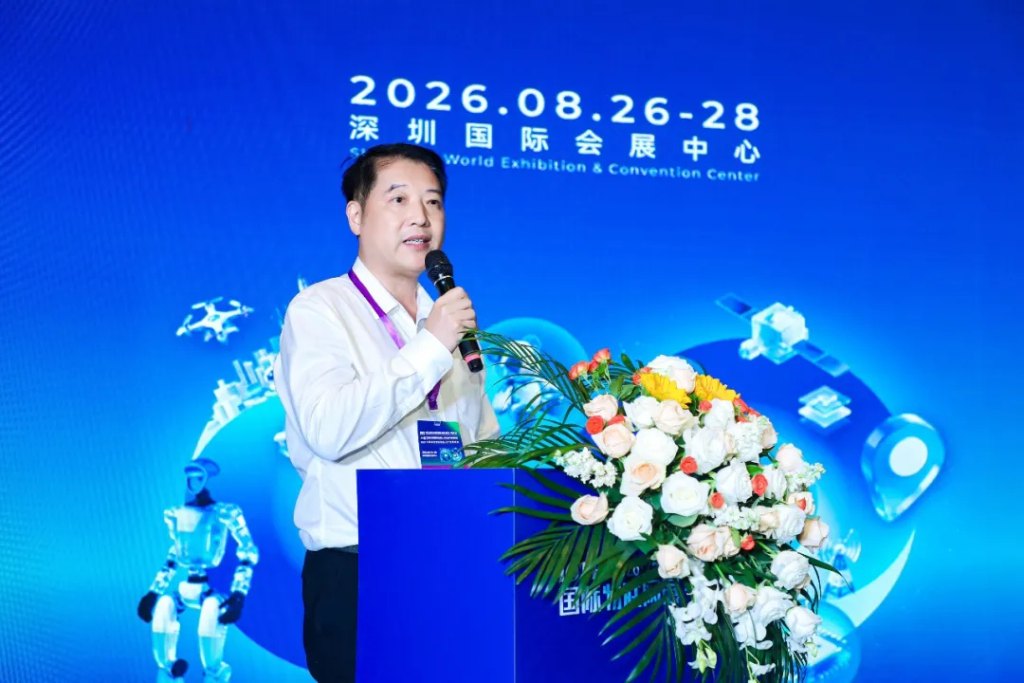
Zeng Jinhui, First-Level Researcher at the Shenzhen Municipal Bureau of Commerce, noted in his remarks that Shenzhen’s position as a global AIoT hub is underscored by its strong foreign trade performance and advanced manufacturing base. Against the backdrop of the 46th anniversary of the establishment of the Shenzhen Special Economic Zone and APEC China Year, Shenzhen’s imports and exports account for approximately 10% of China’s national total, while electromechanical products account for more than 70% of its trade.
To support companies in seizing new international opportunities, the Shenzhen Municipal Bureau of Commerce has introduced six measures covering incentives for overseas exhibitions, export credit insurance, the development of Cross-Border E-Commerce 2.0, enhanced access to micro trade loans, overseas comprehensive service platforms, and streamlined customs clearance. Together, these initiatives are designed to provide comprehensive policy support for companies expanding into global markets.
The conference then moved into its central moment—the Launch Ceremony of the 2026 Global AIoT Innovation Collaboration & Matchmaking Conference. Witnessed by guests from across the global AIoT ecosystem, the ceremony officially opened an industry platform designed to connect technologies, markets, and business ecosystems across borders.
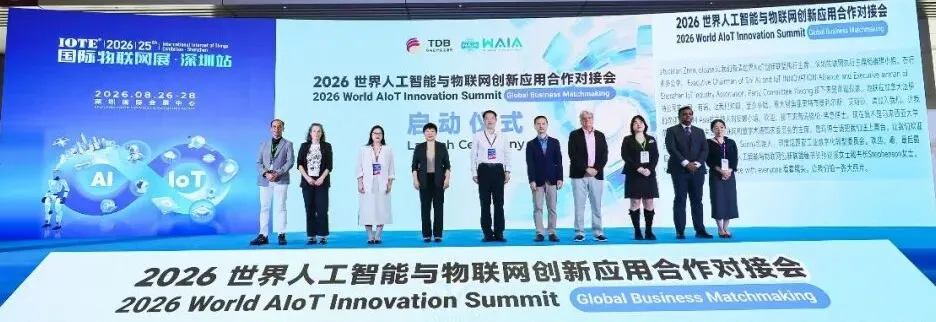
The launch ceremony marked the official opening of the 2026 Global AI & IoT Innovation Application Collaboration & Matchmaking Conference. The event brought together international buyers from nearly 20 countries, including Malaysia, Singapore, Vietnam, Saudi Arabia, and India, alongside leading Chinese AIoT companies.
The participating companies engaged in targeted business discussions across key sectors including Industrial IoT, Smart Energy, and Intelligent Manufacturing. Built around the principles of policy guidance, international exchange, targeted matchmaking, and mutually beneficial cooperation, the conference combined authoritative policy briefings, buyer demand presentations, and targeted supply-and-demand matching to create a practical platform for international business collaboration.
The initiative aims to help Chinese AIoT companies accelerate their global expansion, establish direct connections with international markets, and build long-term cross-border partnerships.
Connecting the Global AIoT Ecosystem
The conference then moved into a session introducing the global AIoT ecosystem and its international exhibition platforms.
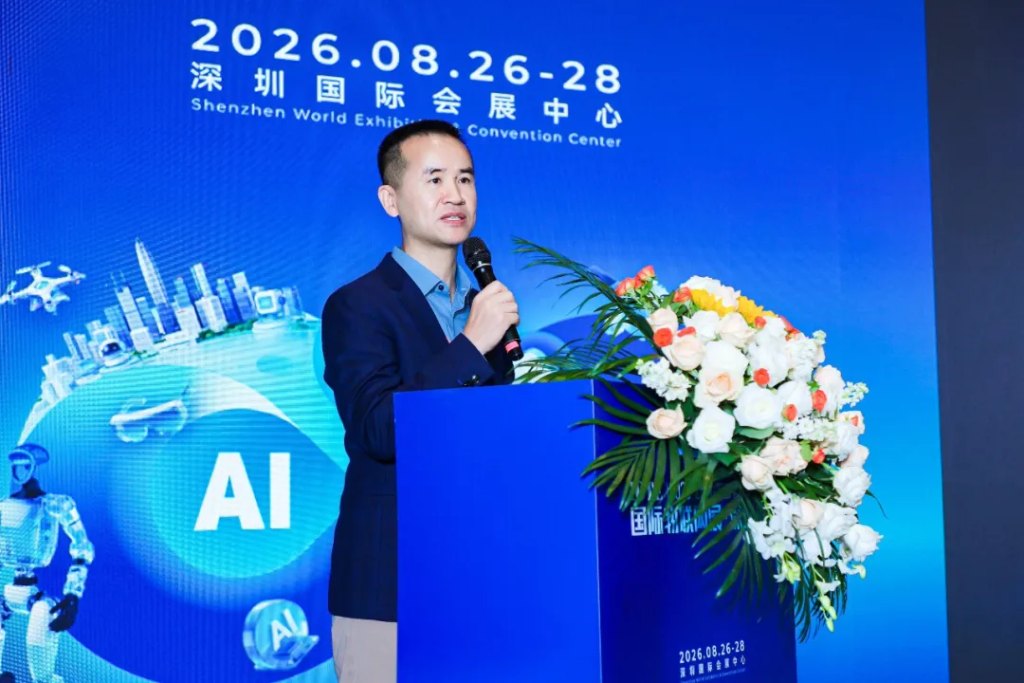
William Yang, Executive Chairman of WAIA and Chairman of the Shenzhen Internet of Things Industry Association, highlighted the new international opportunities emerging from Physical AI. He noted that by leveraging IOTE, the WAIA Summit, and the upcoming WITEX project in Germany, the ecosystem will help strengthen connections between Asian and European industrial chains and support Chinese companies in scaling their global operations.
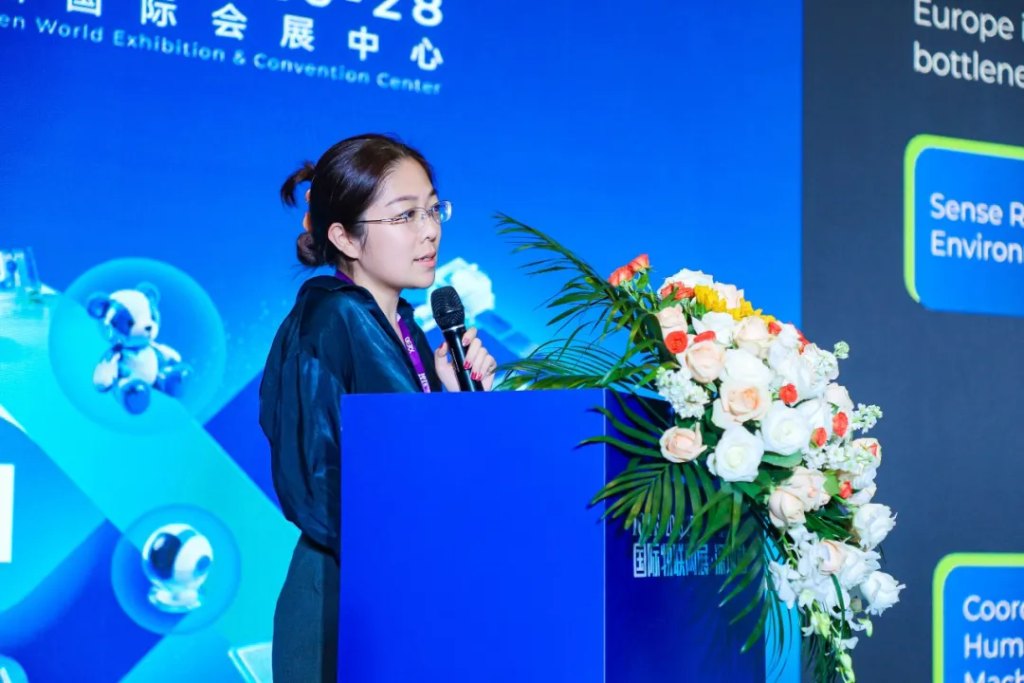
Sun Erxi, Secretary-General of WAIA, emphasized that the upcoming WITEX 2027 project in Germany is positioned to become a strategic hub connecting Asia-Pacific and Europe, providing Chinese AIoT companies with a more direct pathway into overseas markets.
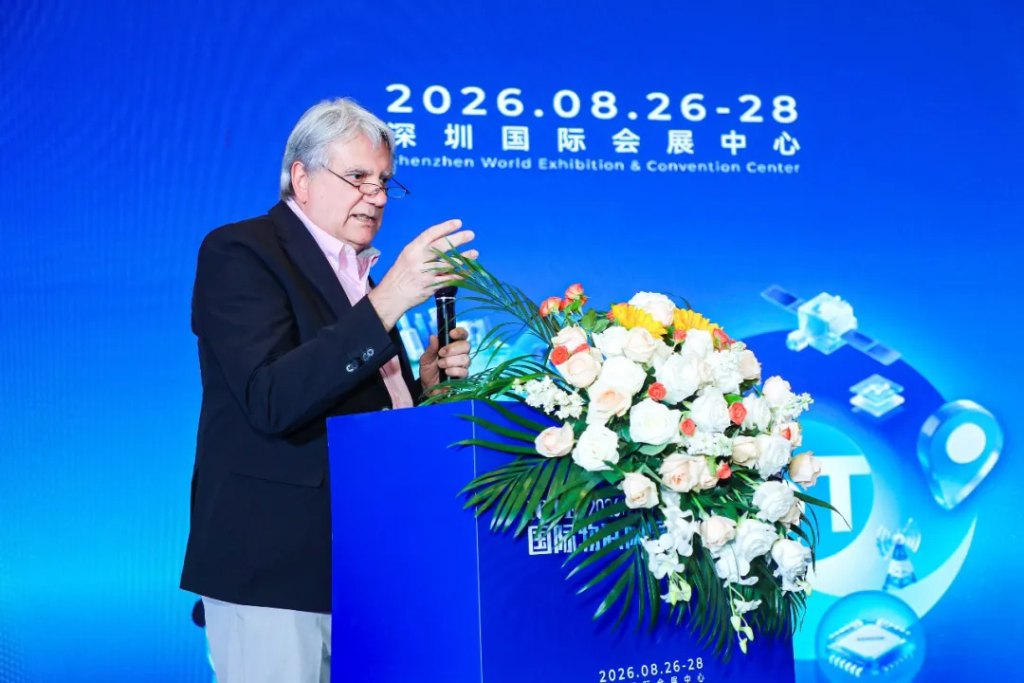
International representatives then shared insights into the unique market needs and business opportunities across different regions, offering practical perspectives on global expansion.
Salvatore Cimmino, Co-Founder of AIoT Canada, shared insights into the Canadian market from an international perspective. He noted that AIoT is evolving from traditional connectivity and data collection toward Physical AI, offering valuable opportunities for Chinese technology companies seeking to enter the North American market.
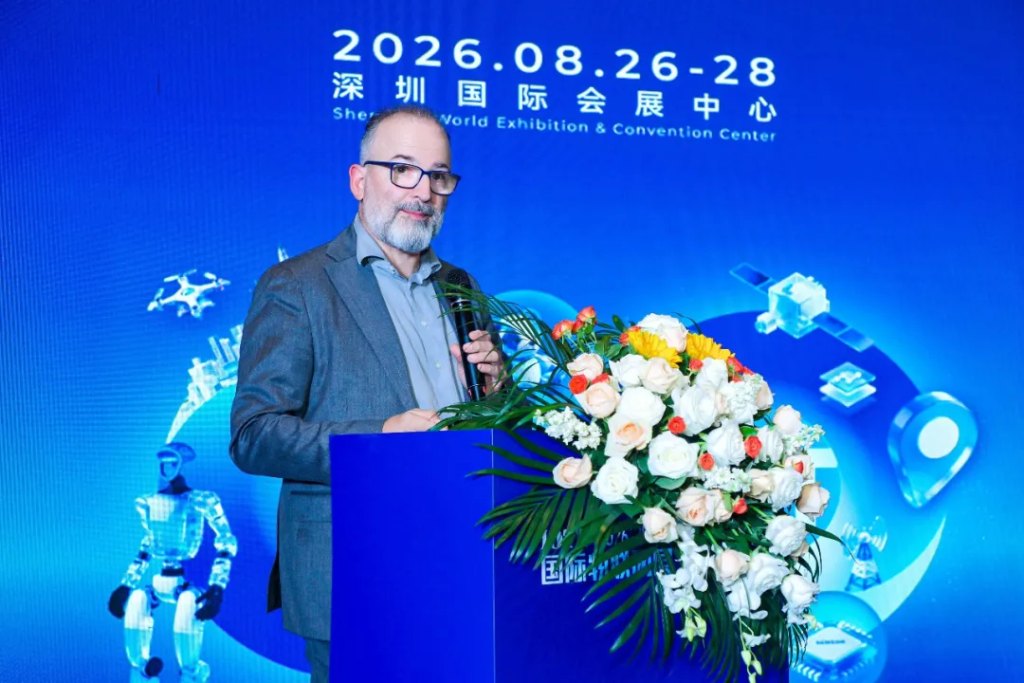
Alessandro Bassi, President of IoT Italy, examined the current state of AIoT adoption across Italy and the broader European manufacturing sector, highlighting Physical AI as a new source of compound growth opportunities.
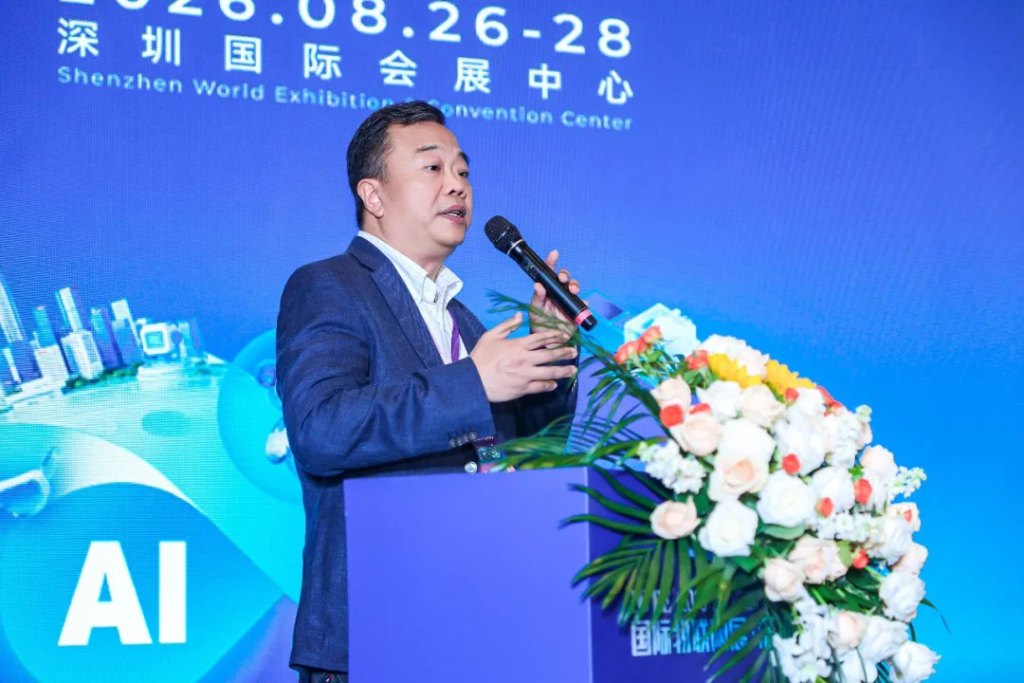
Henry Huang, Vice Chairman of the Board of the LoRa Alliance, positioned LoRa as a data sensing layer for Physical AI, providing the high-quality data that AI systems need as foundational input. He also highlighted the scale of the LoRaWAN ecosystem and its proven commercial deployments worldwide.
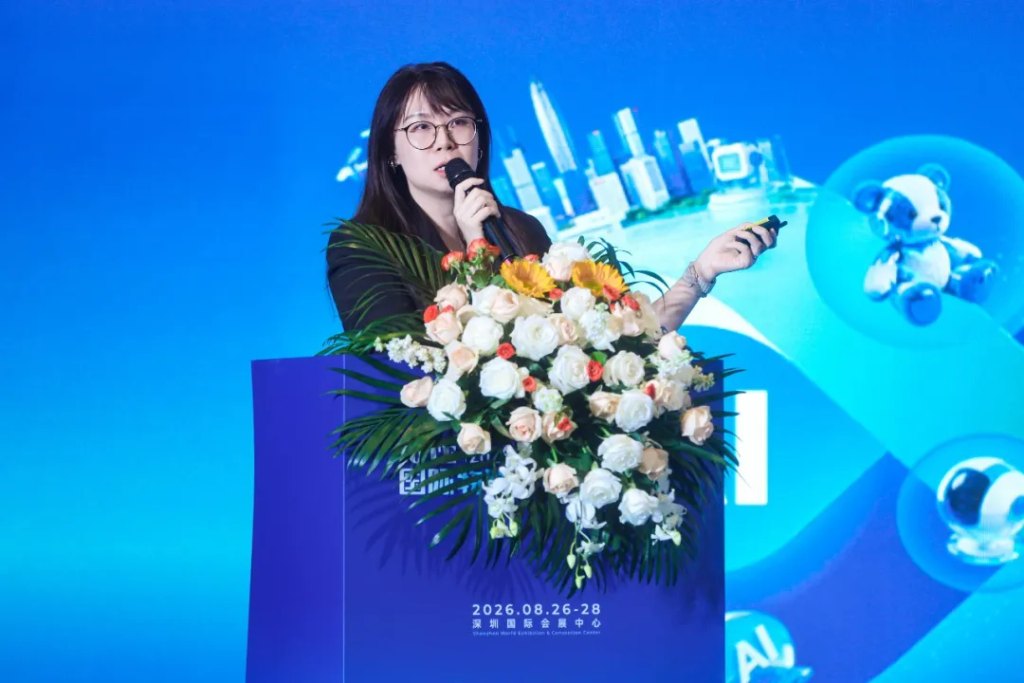
Yang Pan, Director of Technology Sector at the UK Department for Business and Trade, provided an overview of the UK’s AIoT innovation landscape, positioning the country as a valuable validation market for companies preparing to expand internationally. Successfully validating products and solutions in the UK, she noted, can provide a pathway to broader global markets while opening up new opportunities for local partnerships.
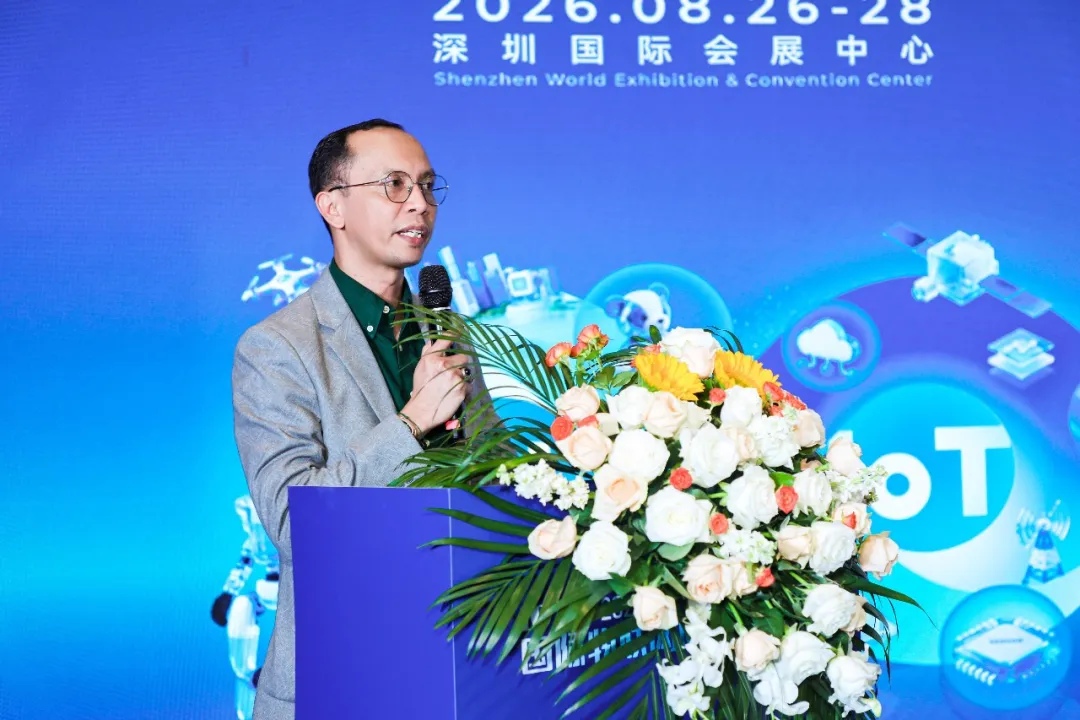
Ir. Fadli Hamsani, Founder of the Indonesian Industry Digital Transformation Council, shared perspectives from Indonesia, exploring how AI is driving the country’s IoT industry from an era of “connecting everything” toward intelligent systems. His presentation highlighted the strong growth potential of the Southeast Asian market.
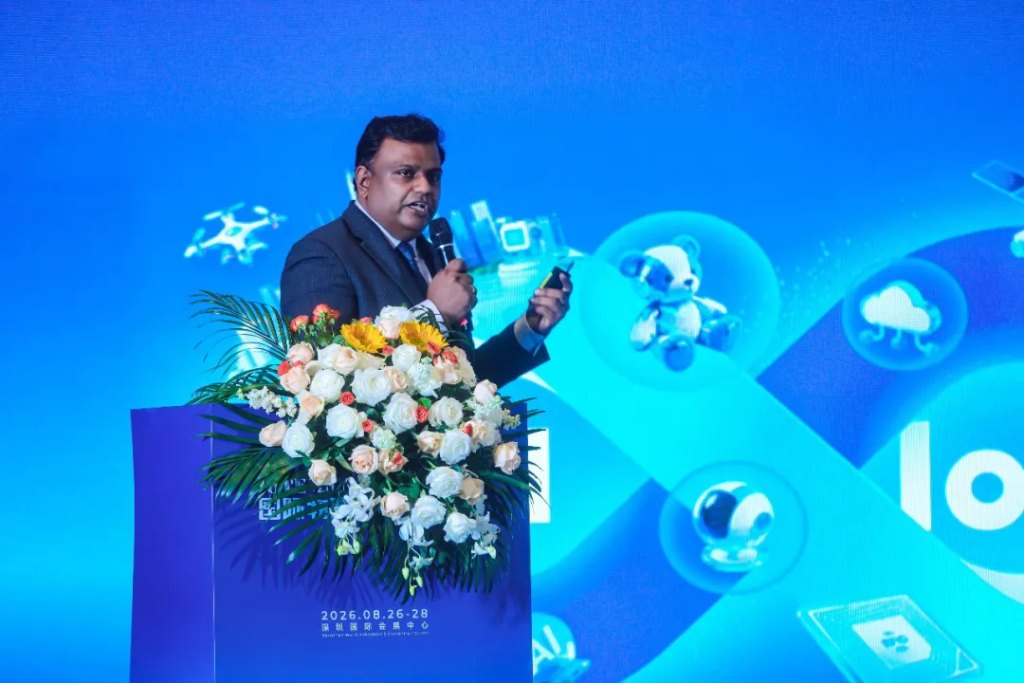
Dr. Thinagaran Perumal, Chairman of Malaysia’s IoT & Digital Twin Technology Committee and Associate Professor at Universiti Putra Malaysia, outlined the three-stage evolution of AIoT—from connectivity to prediction to agency—and proposed the concept of an “AIoT Innovation Corridor” connecting Malaysia with the broader ASEAN market.
WITEX Düsseldorf Strategic Partnership Launch
The conference then reached one of its major highlights—the WITEX Düsseldorf Strategic Partnership Launch Ceremony.
Before the official launch, two key representatives took the stage to deliver opening remarks.
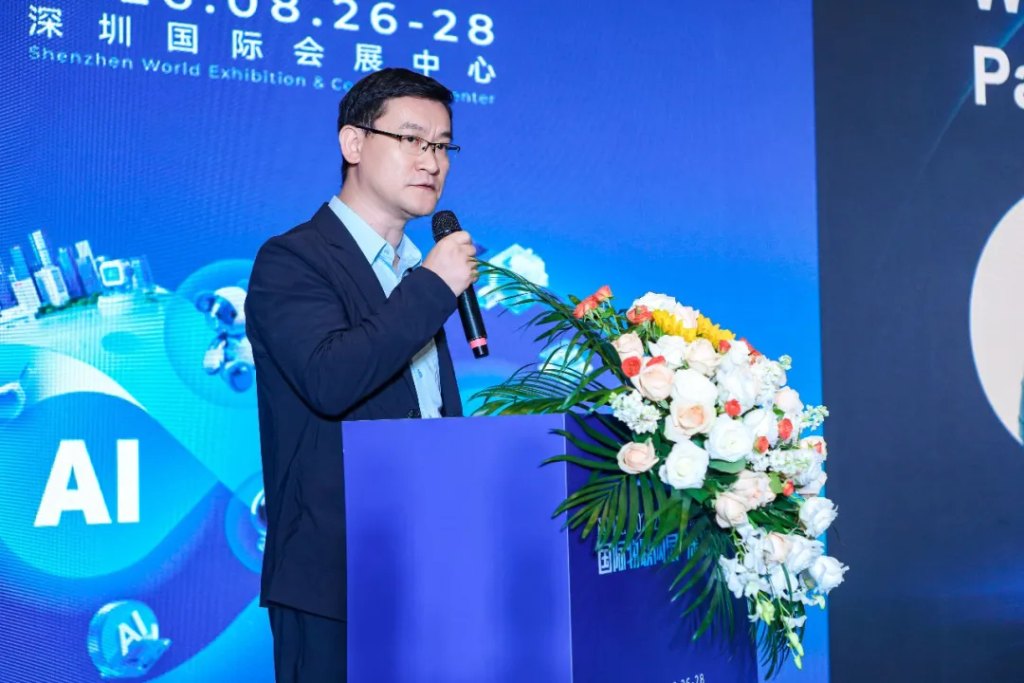
Jie Liang, Chief Representative for South China at NRW.Global Business, delivered the first address. As the official trade and investment promotion agency of the German state of North Rhine-Westphalia, NRW.Global Business continues to support Chinese technology companies entering the region by helping them connect with local customers, research institutions, and industrial partners, providing support throughout the journey from technological innovation to European market entry.
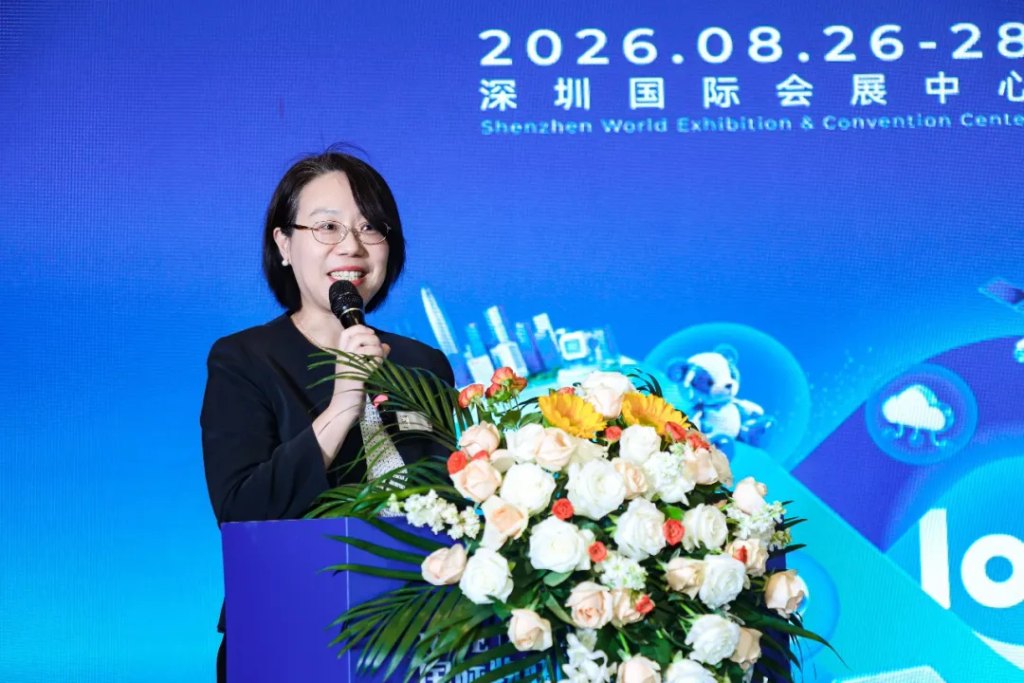
Evian Gu, General Manager of Messe Düsseldorf (Shanghai) Co., Ltd., then addressed the audience. She noted that Düsseldorf serves as a strategic gateway for Chinese companies entering the European Union market. Across sectors including IoT, AI, intelligent manufacturing, and new energy, Düsseldorf offers Chinese companies a strong combination of market access, industrial resources, and opportunities for ecosystem collaboration.
Witnessed by Jie Liang and Evian Gu, more than a dozen Chinese and international guests then took the stage for the countdown, officially launching the WITEX Düsseldorf Strategic Partnership.
The participating representatives included:
- Salvatore Cimmino, Co-Founder of AIoT Canada
- Wilson Zhuang, Chairman of the IoT Hong Kong Chamber
- Ir. Fadli Hamsani, Founder of the Indonesian Industry Digital Transformation Council
- Tony Yang, President of the Thai IoT Association
- Evian Gu, General Manager of Messe Düsseldorf (Shanghai) Co., Ltd.
- Jie Liang, Chief Representative for South China, NRW.Global Business
- Alessandro Bassi, President of IoT Italy
- Juho Partanen, Board Member of the RAIN Alliance
- Henry Huang, Vice Chairman of the Board of the LoRa Alliance
- Anna Lau, President of the Asia Institute of Automatic Identification
- Binxian Liang, President of the Taiwan IoT Association
These industry organizations, as the first group of WITEX global strategic partners, will provide strong support for the successful launch of WITEX in Germany.
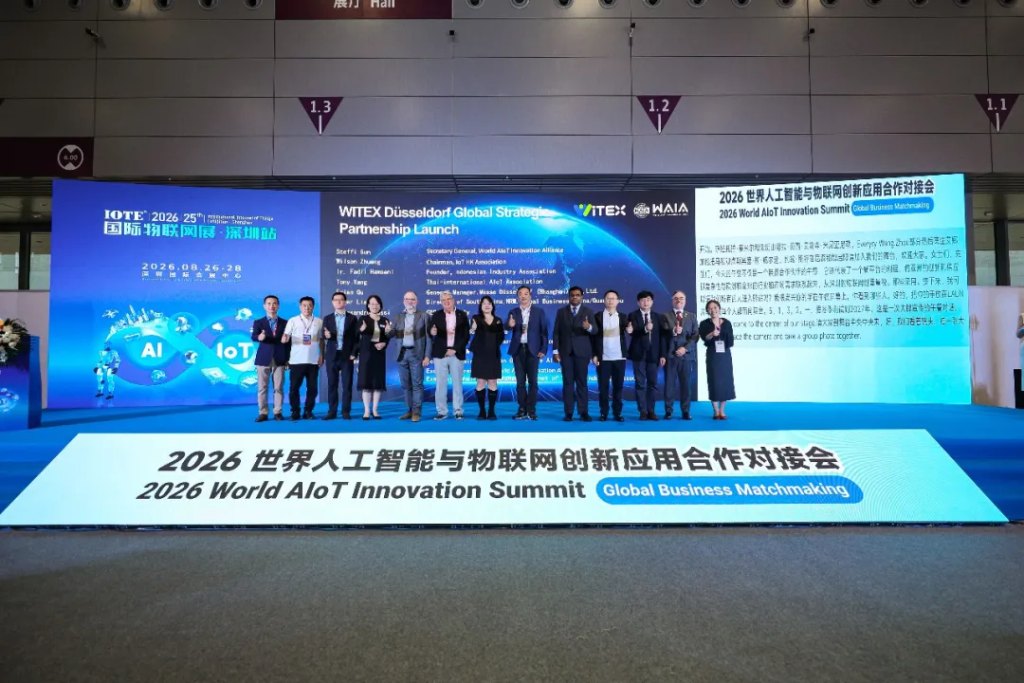
Scheduled for May 12–14, 2027, at Messe Düsseldorf in North Rhine-Westphalia, Germany, WITEX (World Intelligent Technology Exhibition) is positioned as a strategic platform connecting the Asia-Pacific and European markets.
The strategic partnership marks an important step toward connecting Asia-Pacific’s mature AIoT resources with the industrial strengths of North Rhine-Westphalia. It will help establish a stronger Asia–Europe industrial corridor for Physical AI, creating a robust bridge for Chinese technology companies seeking to enter the European market.
Global Business Expansion in Practice
The conference then moved into a session featuring practical insights from WAIA partner companies on global business expansion.
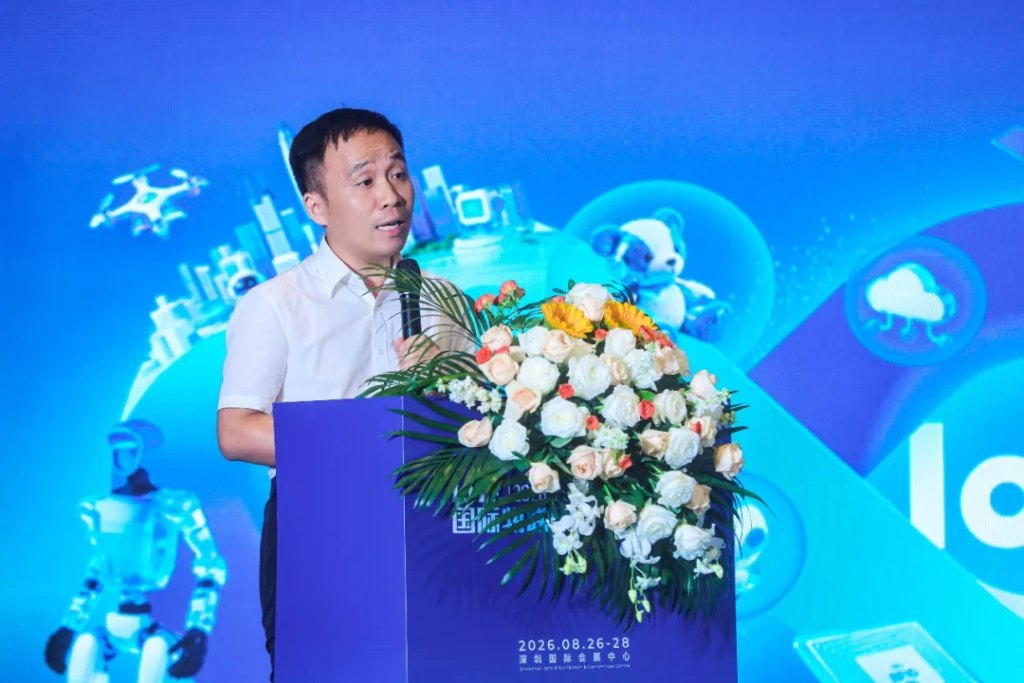
Min Fan, Deputy General Manager of the Intelligent IoT Product Department at China Mobile IoT Company Limited, presented China Mobile IoT’s integrated “Connectivity–Sensing–Intelligence–Value” product framework. Her presentation highlighted innovative products including AI-powered voice-recording and analysis badges and e-paper signage, as well as the company’s full-stack capabilities and global deployment experience across sectors such as smart industrial parks.
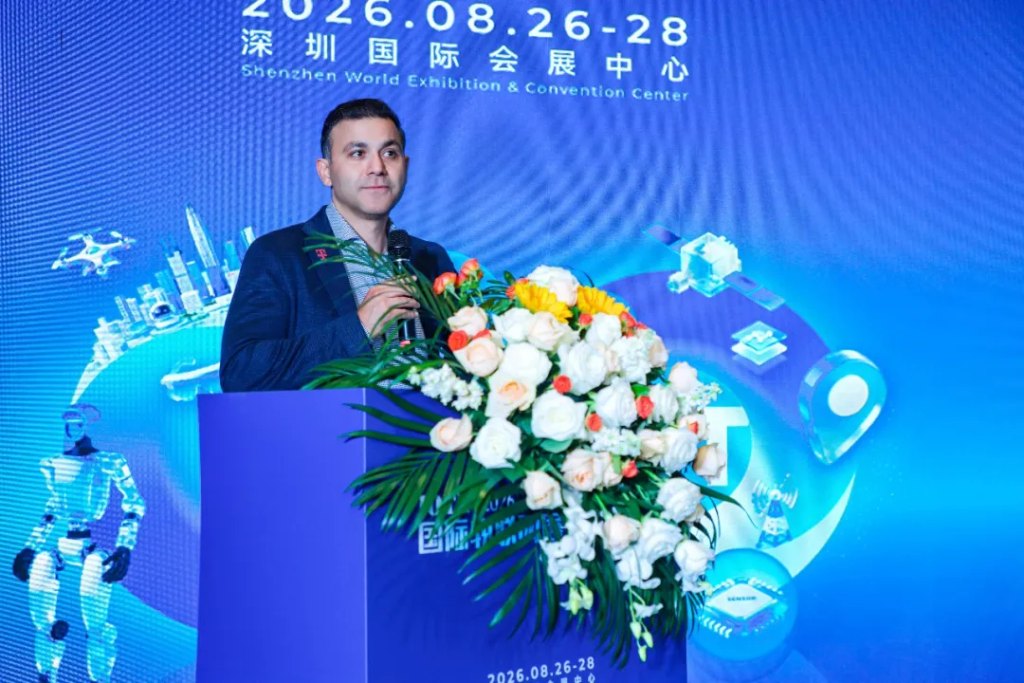
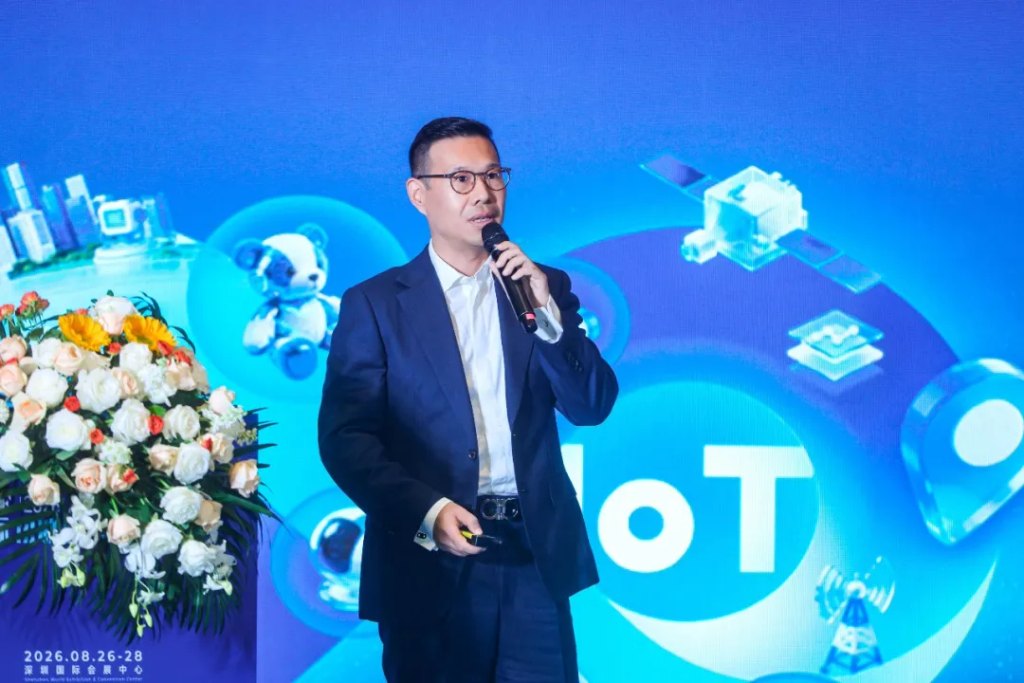
Beni Malajev, Global Account Director for IoT at Deutsche Telekom, and Tao Zheng, Sales Director for Asia-Pacific, jointly delivered a keynote titled “Connectivity · Collaboration · Scale.”
The presentation focused on the needs of Chinese companies expanding overseas, highlighting Deutsche Telekom’s own network assets across European and global markets, its advantages in addressing FCC compliance requirements, and its unified, simplified global management model for IoT deployments. Deutsche Telekom’s IoT business provides global connectivity and management capabilities for connected devices across markets.
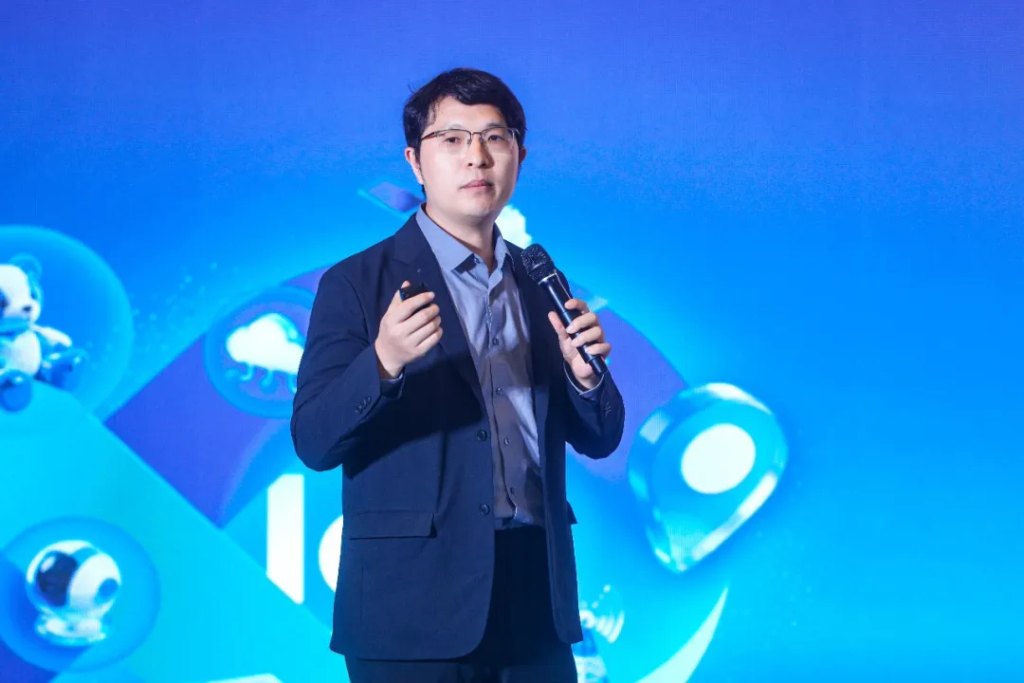
Hang Wei, Vice President of Sales for Asia-Pacific at Kigen, addressed the growing compliance requirements under the EU Cyber Resilience Act (CRA). He highlighted how Kigen’s eSIM solutions are designed to support the three key requirements of security by design, remote remediation, and timely incident reporting. Kigen is a global provider of security-enabled eSIM and iSIM solutions for connected devices.
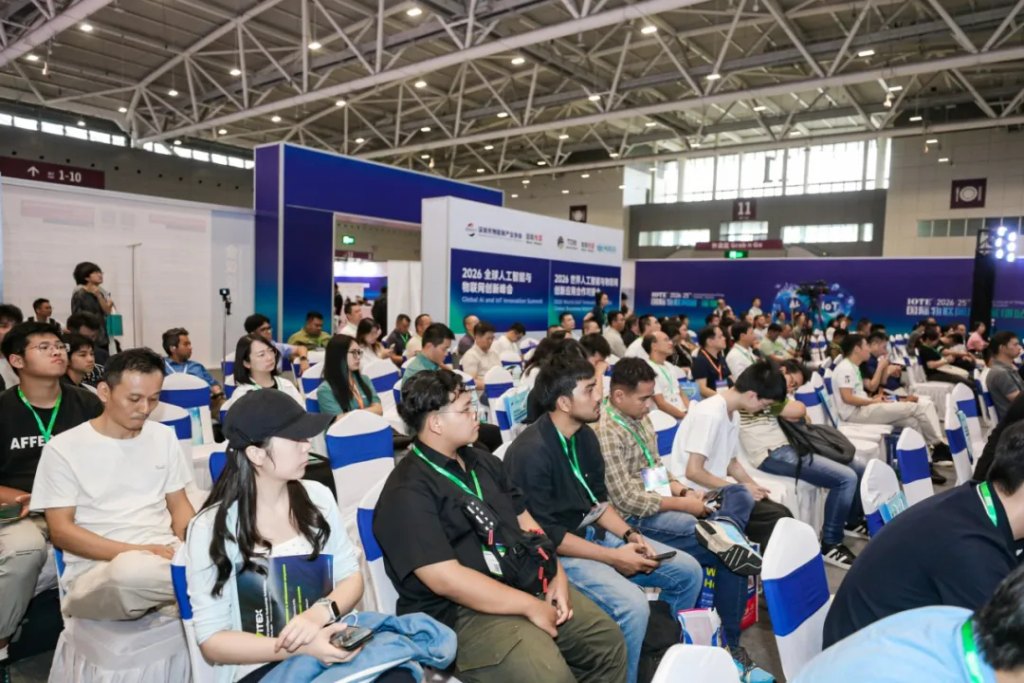
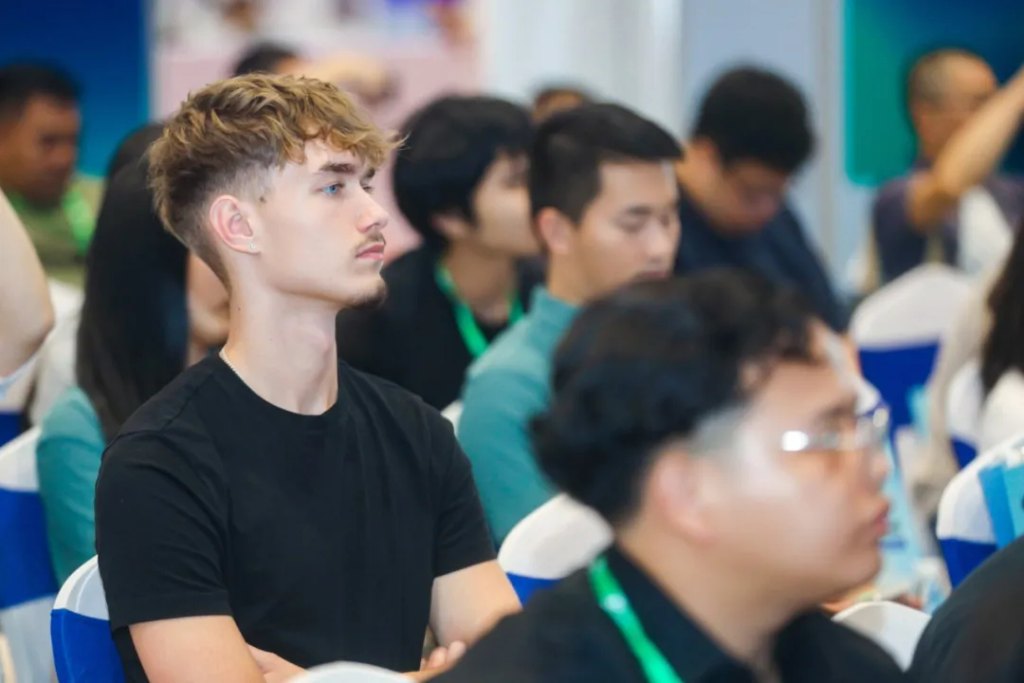
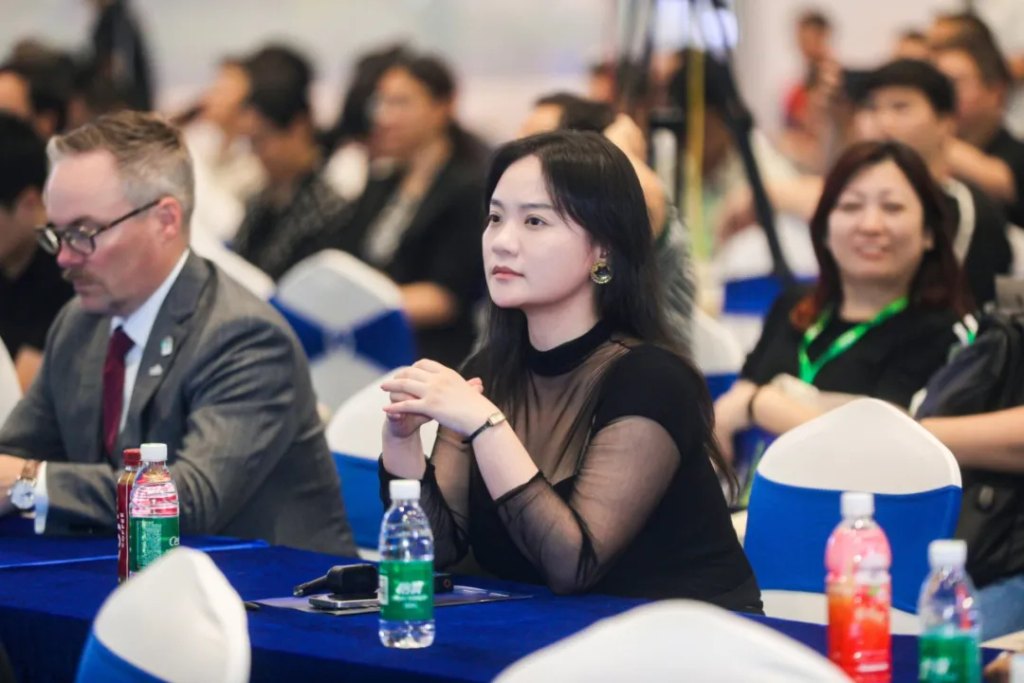
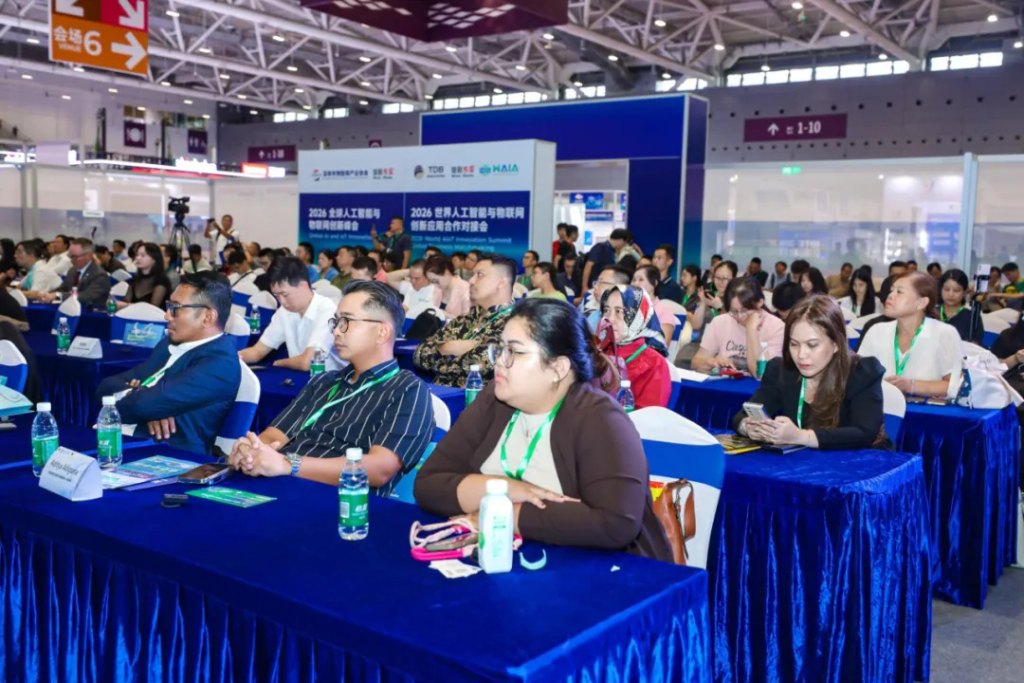
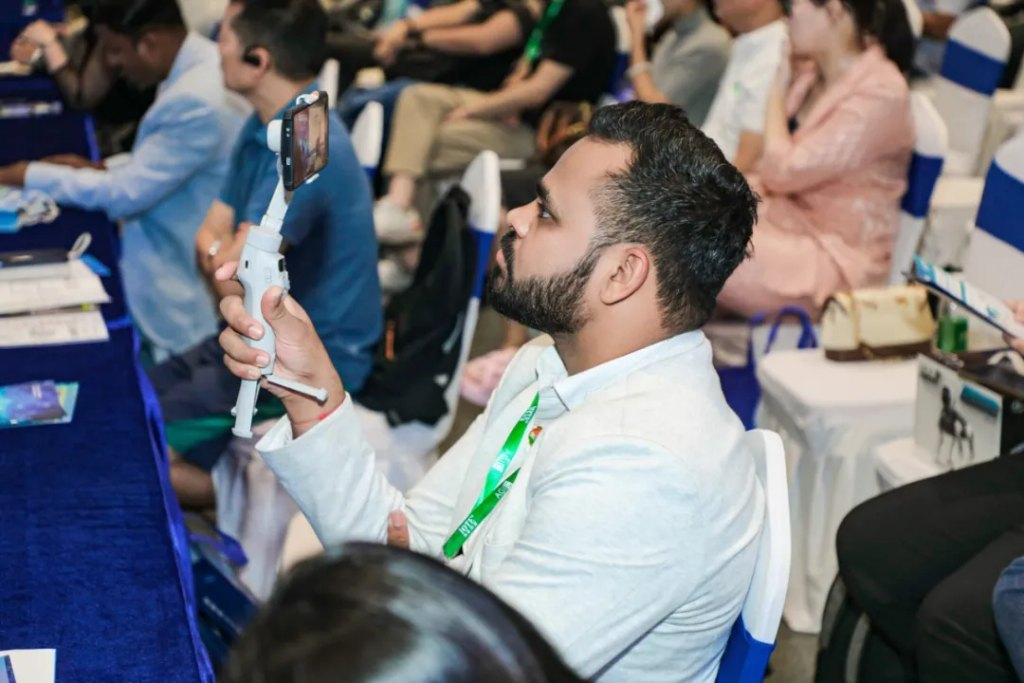
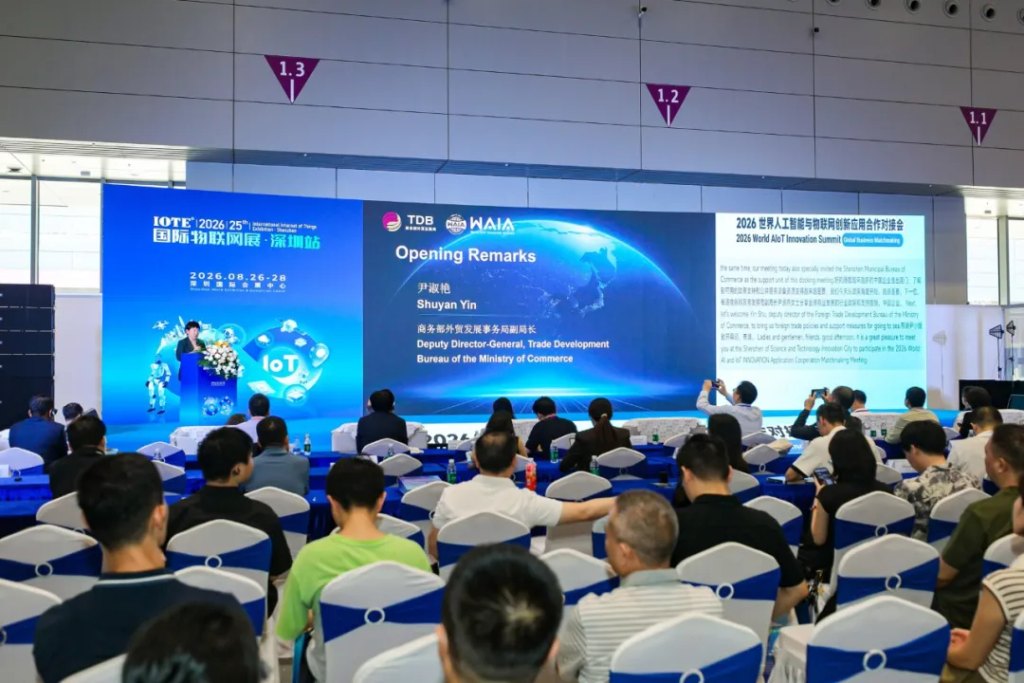
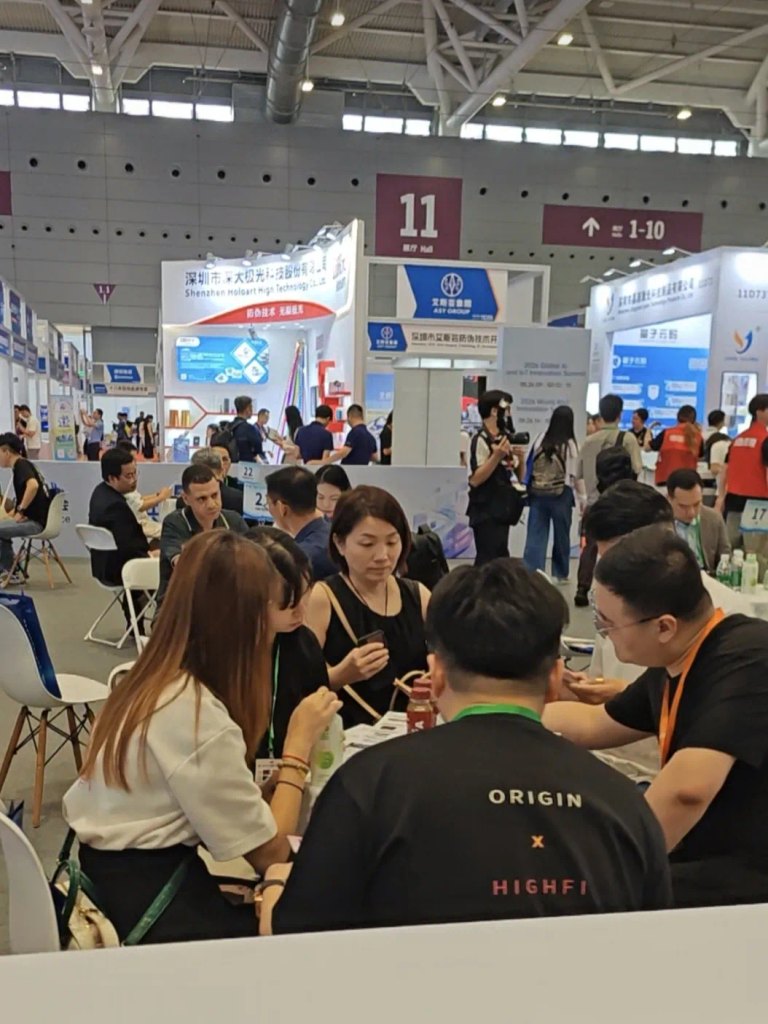
Swipe left/right to view more photos from the conference
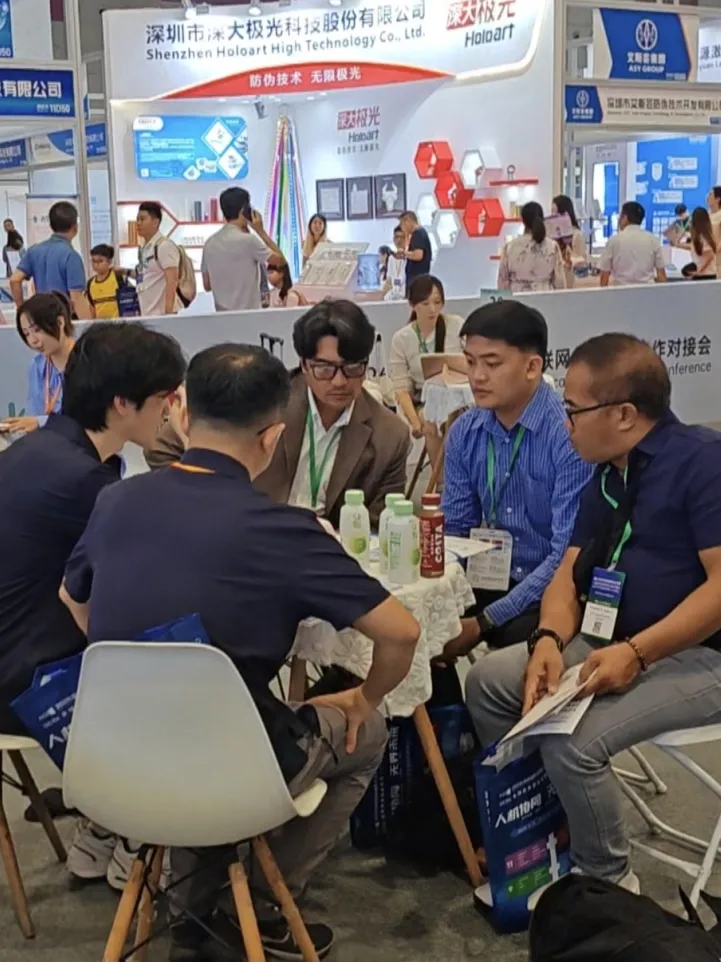
International Business Matchmaking Drives Practical Cooperation
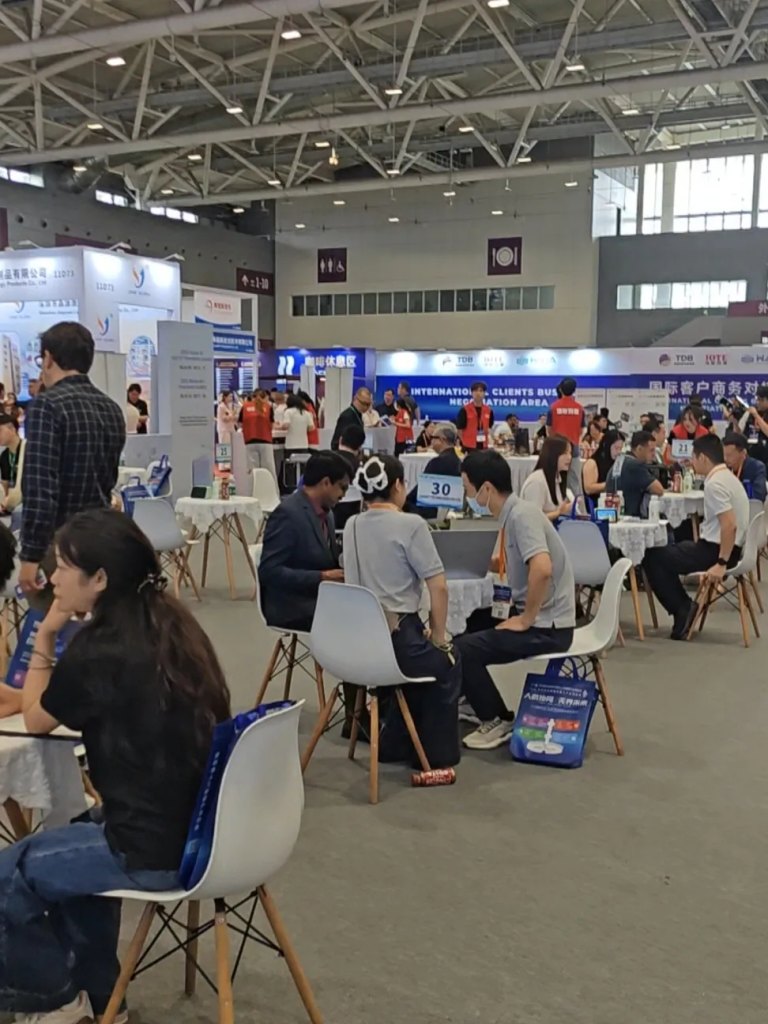
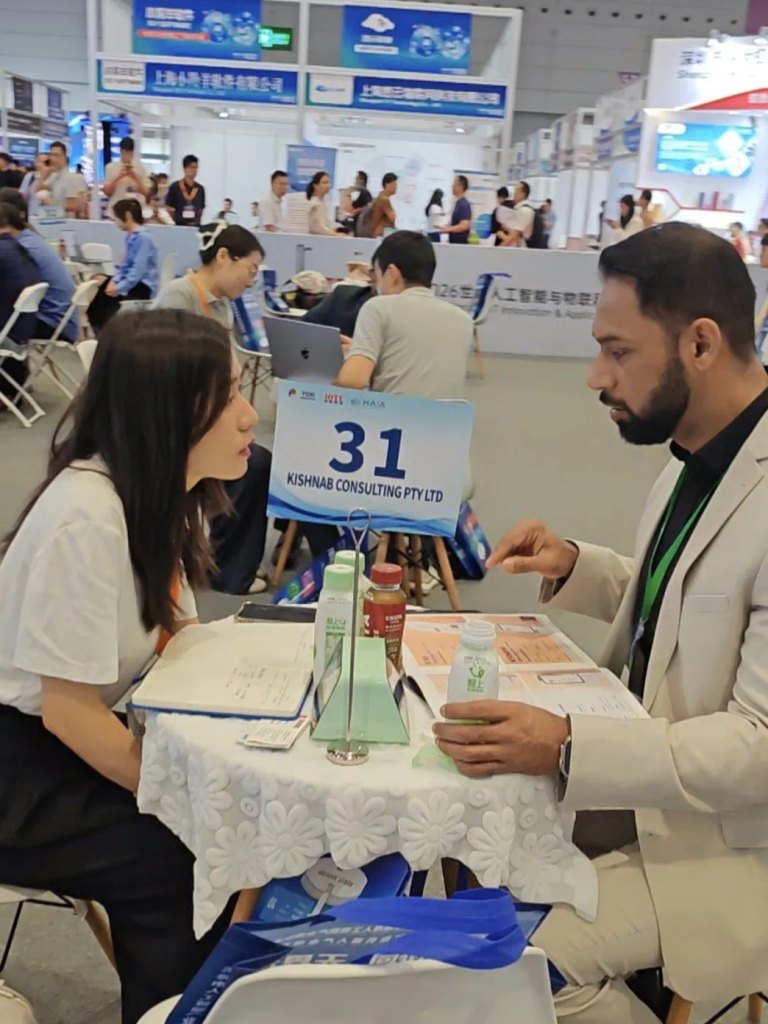
As an important component of the conference focused on turning international connections into tangible business opportunities, the Business Matchmaking Area officially opened on the morning of August 26. The venue was filled with active discussions, with participants engaging in highly targeted conversations and exploring concrete opportunities for cooperation.
More than 60 international buyers from over 20 countries and regions were invited to meet face-to-face with leading Chinese companies in the AI and IoT sectors. Buyers and suppliers held in-depth discussions covering technology development, product applications, cross-border ecosystem partnerships, and other areas of potential cooperation.
By noon, the matchmaking sessions had already generated multiple concrete cooperation opportunities, with letters of intent and cooperation agreements totaling nearly RMB 100 million signed or initiated through the event.
The results demonstrated strong confidence across the global industry in the growth potential of AI and IoT convergence. More importantly, they highlighted the conference’s role in promoting international industrial collaboration, accelerating the commercialization of technology, and turning cross-border connections into practical business outcomes.
The successful matchmaking results also reinforced the conference’s core mission: connecting Chinese AIoT innovation with global markets and creating new pathways for international cooperation and business growth.