

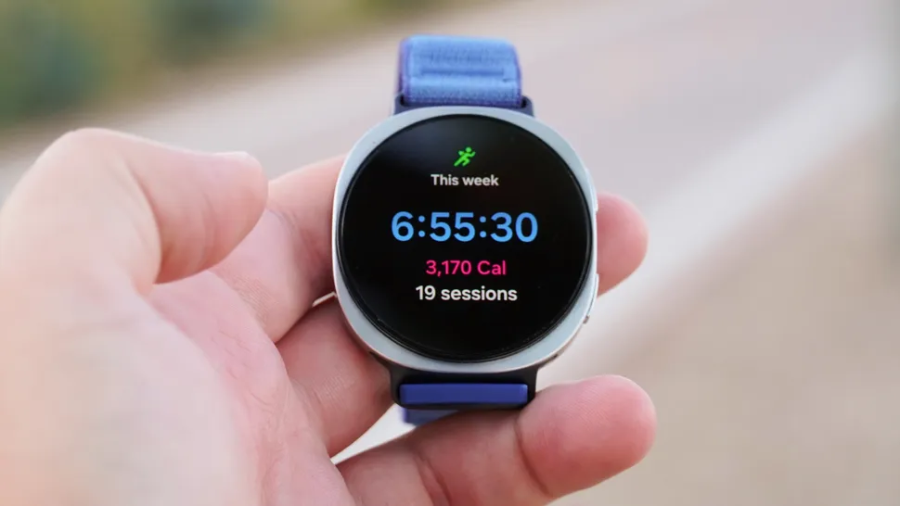
Samsung Galaxy Watch 9 Series Leaked: Comprehensive Upgrades in Performance, Efficiency, and AI
Recent reports suggest that the Samsung Galaxy Watch 9 series is expected to debut in summer 2026. As a major iteration in Samsung’s wearable lineup, the new generation brings systematic improvements across performance architecture, power efficiency, artificial intelligence, and connectivity—including enhancements related to UWB—further strengthening its position in the global smartwatch market.
1. Core Architecture Upgrade: 3nm Chip Enables Performance and Efficiency Leap
The most significant upgrade lies in the underlying hardware. The Galaxy Watch 9 is expected to feature a 3nm-based Qualcomm Snapdragon Elite chipset, integrated with a dedicated Neural Processing Unit (NPU), delivering simultaneous gains in performance and energy efficiency.
1.1 Enhanced On-Device AI Capabilities
With the addition of the NPU, on-device AI computing is significantly improved, enabling more complex tasks to run locally. This includes health analytics, voice recognition, and fitness algorithm optimization—reducing reliance on the cloud while improving response speed and data privacy.
1.2 Three Key User Experience Improvements
The processor upgrade translates into tangible user benefits:
- Adaptive fitness coaching: Real-time adjustments based on user condition and goals
- Improved voice interaction: Faster response times and higher recognition accuracy
- Smoother system performance: Enhanced speed and precision in handling complex tasks
2. Battery Optimization: Longer Usage Without Increasing Capacity
Despite maintaining a 435mAh battery, the Galaxy Watch 9 achieves approximately 30% better energy efficiency through chip and system-level optimizations.
2.1 Improved All-Day Usability
Users can rely on extended usage without frequent charging, even with continuous health monitoring and notifications enabled.
2.2 More Reliable Performance in Intensive Scenarios
Whether during long workouts, travel, or outdoor activities, battery life becomes more predictable, reducing power anxiety.
3. Health Management Evolution: From Data Tracking to Continuous Analysis
The enhanced AI capabilities also redefine health monitoring. The Galaxy Watch 9 shifts from post-event data recording to continuous analysis and trend-based insights.
3.1 More Advanced Health Metrics
- More precise heart rate variability (HRV) tracking
- More comprehensive sleep structure analysis and recovery insights
- Long-term stress monitoring with trend evaluation
3.2 Low-Intervention, High-Value Insights
With faster voice processing and smarter analytics, the device delivers meaningful health insights with minimal user interruption, achieving a balance between convenience and effectiveness.
4. Connectivity Advancements: Bluetooth 6.0 and UWB Expand Use Cases
The Galaxy Watch 9 introduces next-generation connectivity features, including Bluetooth 6.0, Wi-Fi 6, and Ultra-Wideband (UWB).
4.1 Multi-Network Support and Precise Positioning
Support for GNSS and technologies such as 5G RedCap ensures stable connectivity across diverse environments.
4.2 UWB Enables Spatial Interaction
The inclusion of UWB unlocks highly accurate spatial awareness, enabling new applications such as:
- Digital car keys with seamless unlocking
- Smart home access control
- Precise short-range device interaction
For comparison, the Huawei Watch 4 Pro Space Exploration already supports UWB-based car key functionality and integrates with vehicles like the AITO M9, demonstrating the real-world potential of this technology.
5. Satellite Connectivity: Expanding Communication in Extreme Environments
The Galaxy Watch 9 is also expected to feature satellite communication capabilities, providing essential connectivity in remote areas without traditional network coverage. This is particularly valuable for outdoor exploration and emergency scenarios.
6. Launch Timeline and Ecosystem Strategy
The Galaxy Watch 9 series is المتوقع to launch in July 2026 alongside other flagship Samsung products, further strengthening its ecosystem integration.
As a key component of the Samsung Electronics ecosystem, the new smartwatch will work more seamlessly with smartphones, tablets, and smart home devices—positioning Samsung for the next phase of global ecosystem competition.
Conclusion
Overall, the Galaxy Watch 9 series represents more than just a hardware upgrade. By integrating advanced AI capabilities with next-generation connectivity, it marks a shift from a functional wearable device to a truly intelligent personal companion—potentially setting a new benchmark for the smartwatch industry.