




Bold Reuse, a provider of reusable packaging systems, recently partnered with materials science company Avery Dennison to launch an innovative pilot project at two of Portland's most popular sports arenas. The project leverages radio frequency identification (RFID) technology to create a full lifecycle tracking system for reusable cups, aiming to make large-scale cup reuse more transparent and efficient.
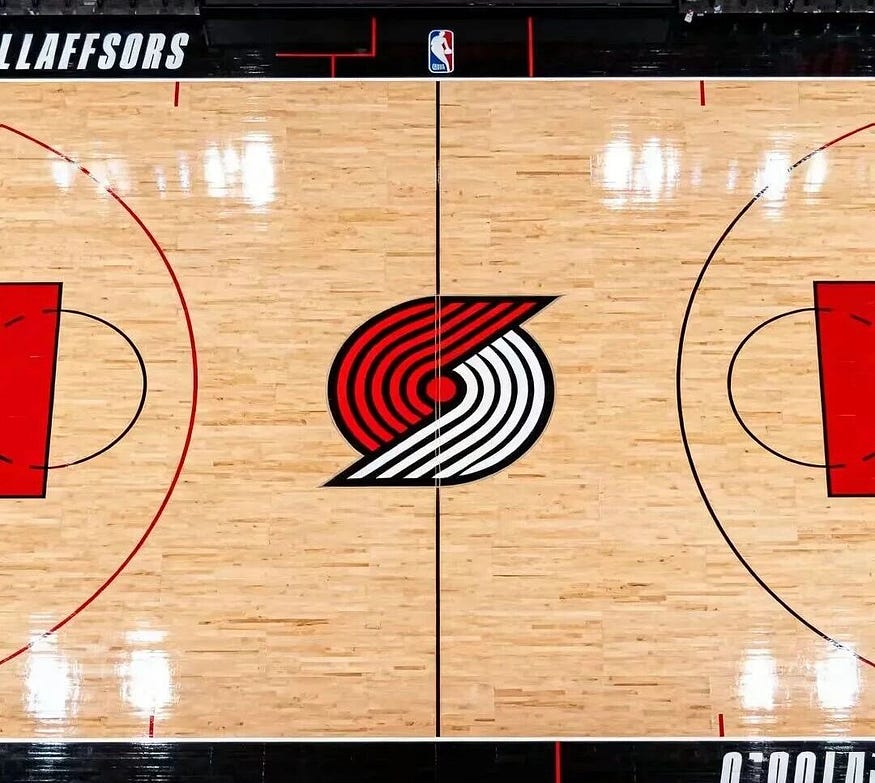
The two-month pilot covers the Moda Center (home of the Portland Trail Blazers), Providence Park (home of the Portland Timbers and Thorns), and Bold Reuse's local cleaning center. These two arenas attract over 2 million spectators annually, and the high-frequency usage provides an ideal environment for large-scale testing of reusable cups. Bold Reuse CEO Jocelyn Quarrell stated that the core objective of the project is to collect and analyze large-scale operational intelligence to support a smoother and more scalable cup reuse process.
The cups used in the pilot program were all embedded with unique RFID chips, protected by multiple layers of special materials to withstand high temperatures, industrial detergents, and repeated handling. Avery Dennison provided UHF RFID tags and built-in readers (AD-183 U9), combined with an S8029 rubber and acrylic adhesive and a 1.2 mil PET film coating, capable of withstanding up to 1000 industrial cleaning cycles while offering excellent concealment, tamper-proof capabilities, and reliable identification. These tags can be read in batches without visual scanning and seamlessly interface with fixed readers in the cleaning center and handheld scanners in the venue, automatically collecting key data such as cup recycling rate, dwell time, and number of cleaning cycles.
Before the event, staff scanned the cups and distributed them to various sales points. After the event, fans deposited their used cups into recycling bins, which were then scanned and sorted by staff before being sent to the cleaning center. At the cleaning center, the cups underwent cleaning, inspection, disinfection, and packaging. Information from each step was recorded in real time, clearly presenting the complete lifecycle from first use to final recycling, enabling digital tracking of the entire cup circulation process. In addition, the cups used in the pilot program are made of Bold Reuse's PP5 reusable polypropylene, capable of withstanding over 500 washes. Initially, approximately 15,000 cups were equipped with RFID tags.
The data collected through RFID technology will help Bold Reuse gain a deeper understanding of the operations of teams responsible for venue catering and environmental sanitation, accurately tracking the movement of cups within the venue and providing strong support for process optimization. Mike Colarossi, Head of Sustainability at Avery Dennison, emphasized that the combination of materials science and RFID technology creates a scalable single-item traceability solution, enabling real-time accountability and transparency in the reuse process.
If the pilot program proceeds as expected, Bold Reuse plans to extend the technology to more venue networks and corporate campuses, exploring feasible paths for the large-scale application of sustainable packaging. This collaboration not only provides an innovative model for the environmentally friendly operation of sports venues but also opens up new scenarios for the application of RFID technology in the reusable field.